What is screen printing, and what are the future trends?
Jan 08, 2024
Overview
Screen printing, also known as silk screening or serigraphy, is a versatile printing technique that involves transferring ink through a mesh screen onto a substrate. This process is commonly utilized for creating vibrant and detailed prints on various materials such as textiles, paper, plastics, and more.
Process:
The screen printing process begins with a stencil, usually made from a mesh screen. Areas of the screen are blocked off to create a template for the desired design. Ink is then applied to the screen and pressed through the open areas using a squeegee, allowing the ink to transfer onto the substrate beneath. This method provides a high level of precision and allows for the printing of intricate designs with multiple colors.
Screen printing is widely employed in different industries, including textiles for apparel and promotional items, graphic printing for posters and signage, and industrial applications for printing on electronic components and other materials.
The evolution of screen printing has led to the development of fully automatic screen printing machines, which streamline and automate the printing process, significantly enhancing efficiency and productivity. These machines are equipped with features like high-speed printing, precise registration, and the ability to handle various substrates, making them invaluable for high-volume production.

Fully Automatic Screen Printing Machines
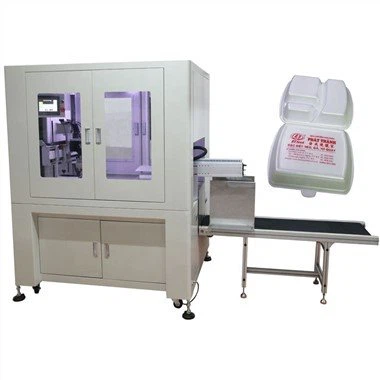
Fully automatic screen printing machines are designed to minimize manual intervention and maximize production output. These advanced machines play a crucial role in achieving high efficiency and throughput in the screen printing process.
Components:
Feeder: The feeder is responsible for accepting the substrate to be printed. It efficiently loads the printing material onto the machine, facilitating a continuous printing workflow.
Screen Printing Unit: This unit comprises screens, squeegees, and an ink system. The screens act as stencils, defining the design to be printed. The squeegees press ink through the mesh screens onto the substrate, ensuring precise and consistent printing.
Drying Unit: After the ink is applied, the drying unit cures and solidifies the ink on the substrate. This step is essential for creating durable and long-lasting prints.
Take-off Unit: The take-off unit collects the finished prints from the machine, completing the printing process. This unit is critical for efficient and organized production, allowing for easy retrieval of the printed materials.
Fully automatic screen printing machines are particularly advantageous for industries requiring high-speed and high-volume printing. They offer a seamless and automated workflow, contributing to increased productivity and reduced dependency on manual labor.
These machines find application across various industries, including textiles for apparel printing, graphic printing for posters and signage, and industrial printing for electronics and other materials. Their integration of advanced features ensures precision, consistency, and a streamlined printing process.
Key Features
High Speed:
Fully automatic screen printing machines are specifically designed for rapid and continuous printing, significantly boosting production rates. The high-speed capability ensures efficient and timely completion of printing tasks, making them ideal for large-scale production environments.
Precision:
The incorporation of automated systems guarantees consistent print quality, registration accuracy, and precise ink deposition. This precision is crucial for achieving intricate and detailed prints across various substrates, meeting the demands of diverse industries.
Versatility:
These machines exhibit remarkable versatility, capable of handling a wide range of substrates. From textiles and plastics to paper, fully automatic screen printing machines accommodate different materials, making them suitable for diverse applications in industries such as fashion, packaging, and signage.
Ease of Use:
Equipped with user-friendly interfaces and programmable settings, fully automatic screen printing machines are designed for ease of operation. The intuitive controls contribute to a seamless workflow, allowing operators to efficiently manage and monitor the printing process.
Multicolor Printing:
One of the standout features is the capability to perform multicolor printing in a single run. This is achieved by having separate screens for each color. Fully automatic screen printing machines excel in producing vibrant and detailed prints with multiple colors, meeting the demands of industries where color accuracy is crucial.
These key features collectively make fully automatic screen printing machines indispensable in modern printing operations, providing a balance between speed, precision, versatility, and user-friendly functionality.

Fully Automatic Screen Printing Workflow
1. Preparation
Load the substrate onto the feeder in the preparation phase. The feeder efficiently accepts and positions the printing material, ensuring a seamless transition into the printing process.
2. Registration
Achieve precise alignment of the substrate in the registration phase to ensure accurate printing. This step is essential for maintaining the integrity of the design and preventing misalignment issues during the printing process.
3. Printing
The automated screen printing unit takes charge in this phase. Using a mesh screen, squeegees, and an ink system, the machine applies ink onto the substrate. The screen acts as a stencil, defining the design, and the squeegees press the ink through the open areas of the mesh, creating the desired print on the substrate.
4. Drying
Once the ink is applied, the drying phase follows. The drying unit is responsible for curing and solidifying the ink on the substrate, ensuring that it adheres properly and achieves the desired level of durability. This step is crucial for producing high-quality, long-lasting prints.
5. Take out
The final phase involves collecting the finished products from the machine. The take-out unit efficiently retrieves the printed materials, completing the fully automatic screen printing workflow. This phase contributes to the overall efficiency of the process, allowing for easy handling and organization of the completed prints.
This systematic workflow ensures a streamlined and automated screen printing process, minimizing the need for manual intervention and optimizing efficiency from substrate preparation to the collection of the final printed products.
Maintenance and Troubleshooting for Fully Automatic Screen Printing Machines
1. Maintenance:
Regular Cleaning:
Periodically clean screens, squeegees, and other critical components to prevent ink build-up and maintain print quality.
Ensure the ink system is free from dried ink residues to prevent clogs and ensure smooth operation.
Lubrication:
Lubricate moving parts such as conveyor belts and mechanical components to reduce friction and prevent wear and tear.
Follow manufacturer guidelines for the type and frequency of lubrication required.
Lubrication:
Lubricate moving parts such as conveyor belts and mechanical components to reduce friction and prevent wear and tear.
Follow manufacturer guidelines for the type and frequency of lubrication required.
Ink System Monitoring:
Monitor ink levels regularly and replenish as needed to avoid interruptions in the printing process.
Ensure the viscosity and consistency of the ink are within the specified parameters.
2. Troubleshooting:
Print Quality Issues:
Address uneven ink deposition by adjusting squeegee pressure or replacing worn-out squeegee blades.
Check and replace damaged screens to maintain print sharpness and clarity.
Misalignment:
Calibrate and realign the registration systems to address any issues related to misalignment.
Inspect and replace faulty sensors or detectors causing registration errors.
Ink Flow Problems:
Clear clogs in the ink delivery system by cleaning ink lines, filters, and valves.
Verify that the ink viscosity is suitable for the printing conditions.
Mechanical Malfunctions:
Inspect and replace damaged or worn-out mechanical components to prevent breakdowns.
Regularly check and tighten loose bolts and connections.
Electrical Issues:
Ensure proper power supply and check for any loose or damaged electrical connections.
Address any malfunctions in control panels or electronic components promptly.
3. Preventive Measures:
Scheduled Maintenance:
Establish a routine maintenance schedule based on machine usage and manufacturer recommendations.
Conduct preventive maintenance checks to identify potential issues before they escalate.
Operator Training:
Train operators to recognize early signs of issues and perform basic troubleshooting.
Provide guidelines for routine checks and preventive measures to ensure machine longevity.
Adhering to a comprehensive maintenance plan and addressing troubleshooting promptly contributes to the optimal performance and longevity of fully automatic screen printing machines. Regular care and attention to potential issues help minimize downtime and ensure consistent, high-quality printing.

Applications of Fully Automatic Screen Printing Machines
1. Textile Printing:
Apparel: Fully automatic screen printing machines are widely employed in the textile industry for printing on garments, including clothing items such as shirts, dresses, and jackets.
T-Shirts: The machines excel in high-volume production of printed T-shirts, offering vibrant and durable designs.
Hoodies and Sweatshirts: Textile printing machines contribute to the customization of hoodies and sweatshirts, meeting the demand for personalized and trendy apparel.
2. Graphic Printing:
Posters: Fully automatic screen printing is an ideal choice for producing vibrant and detailed posters with intricate designs.
Decals and Stickers: The precision of these machines is well-suited for creating decals and stickers used in various applications, including branding and promotional materials.
Signage: Whether for indoor or outdoor use, graphic printing with automatic screen printing machines ensures high-quality and durable signage.
3. Industrial Printing:
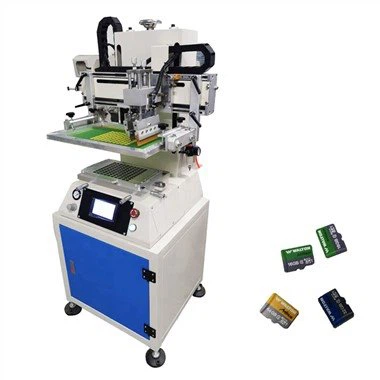
Electronics: Fully automatic screen printing machines play a crucial role in printing on electronic components, providing precision and consistency in the application of conductive inks or other materials.
Automotive Parts: Industries involved in manufacturing automotive components utilize these machines for printing on parts like dashboards, panels, and interior elements.
4. Promotional Products:
Bags and Accessories: Automatic screen printing is employed to customize promotional bags and accessories with company logos or brand designs.
Caps and Hats: The versatility of these machines extends to printing on headwear, allowing for detailed and multicolor designs on caps and hats.
5. Packaging Materials:
Labels: Fully automatic screen printing machines contribute to the production of labels used in various industries, including food and beverage, cosmetics, and pharmaceuticals.
Flexible Packaging: The machines can be adapted to print on flexible packaging materials, enhancing the visual appeal of products.
Fully automatic screen printing machines find application in a diverse range of industries, offering efficiency, precision, and versatility in meeting the specific printing needs of different materials and products. Their ability to handle high volumes with consistent quality makes them a valuable asset in modern manufacturing and customization processes.
Considerations Before Purchasing a Fully Automatic Screen Printing Machine
1. Production Volume Requirements:
Assess Production Demands: Determine the expected daily or hourly production volume. This information is crucial in selecting a machine that aligns with the scale of your printing operations.
Scalability: Consider the potential for business growth and choose a machine that can accommodate future increases in production demands.
2. Substrate Compatibility:
Identify Substrate Types: Understand the variety of materials (substrates) you intend to print on, such as textiles, plastics, or paper.
Check Compatibility: Ensure that the fully automatic screen printing machine is compatible with the specific substrates you plan to work with to achieve optimal printing results.
3. Color Quantity and Print Size:
Multicolor Printing: If your designs involve multiple colors, ensure that the machine can handle the required number of colors simultaneously.
Print Size: Consider the maximum print size the machine can accommodate. Ensure it meets your requirements for both small and large-format printing.
4. Budget Considerations:
Total Cost of Ownership: Evaluate not only the initial purchase cost but also the long-term costs associated with maintenance, consumables, and any additional features required.
Return on Investment (ROI): Assess how quickly the machine can generate returns based on your production needs and market demand.
5. Ease of Use and Training:
User-Friendly Interface: Choose a machine with an intuitive and user-friendly interface to simplify operation and reduce the learning curve for operators.
Training and Support: Check the availability of training programs and support services provided by the manufacturer to ensure effective machine utilization.
6. Maintenance Requirements:
Understand Maintenance Needs: Inquire about the maintenance schedule, parts replacement, and overall upkeep requirements of the machine.
Accessibility of Spare Parts: Ensure that spare parts are readily available, minimizing downtime in case of unexpected breakdowns.
7. Environmental Considerations:
Energy Efficiency: Consider the energy consumption of the machine and opt for models that align with your environmental sustainability goals.
Eco-Friendly Inks: If environmental concerns are a priority, check the compatibility of the machine with eco-friendly and low-VOC (volatile organic compound) inks.
8. Brand Reputation and Reviews:
Research Manufacturers: Investigate the reputation of the machine's manufacturer. Consider well-established brands known for producing reliable and durable equipment.
Customer Reviews: Look for customer reviews and testimonials to gauge user experiences with the specific machine model you are considering.
Taking these considerations into account ensures that the fully automatic screen printing machine you choose aligns with your specific production needs, capabilities, and budget, setting the foundation for a successful and efficient printing operation.
Future Trends
In the ever-evolving landscape of printing technology, fully automatic screen printing machines stand as powerful catalysts for efficiency and precision. These sophisticated machines have revolutionized the traditional screen printing process, automating key steps to minimize manual intervention and maximize production output. With a primary focus on industries like textiles, graphics, and industrial manufacturing, fully automatic screen printing machines have become indispensable tools, catering to the demands of high-speed, high-volume printing while ensuring consistent print quality and registration accuracy. As we delve into the nuances of this technology, it is crucial to explore both its present capabilities and its promising future trends, including seamless integration with digital technologies, a commitment to environmental sustainability, and the integration of smart manufacturing principles.
One of the defining characteristics of fully automatic screen printing machines is their ability to handle a diverse range of applications. From textile printing for apparel and promotional items to graphic printing for posters and signage, and even industrial applications for electronic components and automotive parts, these machines showcase versatility in their adaptability to different substrates and printing requirements. Their user-friendly interfaces and programmable settings ensure that operators, regardless of their expertise level, can efficiently manage the printing process, while the capacity for multicolor printing in a single run adds a layer of sophistication, meeting the intricate demands of modern designs.
Looking ahead, the future of fully automatic screen printing machines promises exciting developments. The integration of these machines with digital technologies is anticipated to bring forth a new era of automation, providing enhanced customization, shorter setup times, and improved color management. Environmental considerations are also at the forefront, with a shift towards eco-friendly inks and energy-efficient drying methods, reflecting the industry's commitment to sustainable practices. As smart manufacturing and Industry 4.0 principles gain momentum, these machines are expected to play a pivotal role in interconnected, data-driven production environments, contributing to increased efficiency, reduced downtime, and optimized resource utilization. The journey into the realm of fully automatic screen printing machines encapsulates not just the current state of the technology but also its transformative potential in shaping the future of printing and manufacturing.