


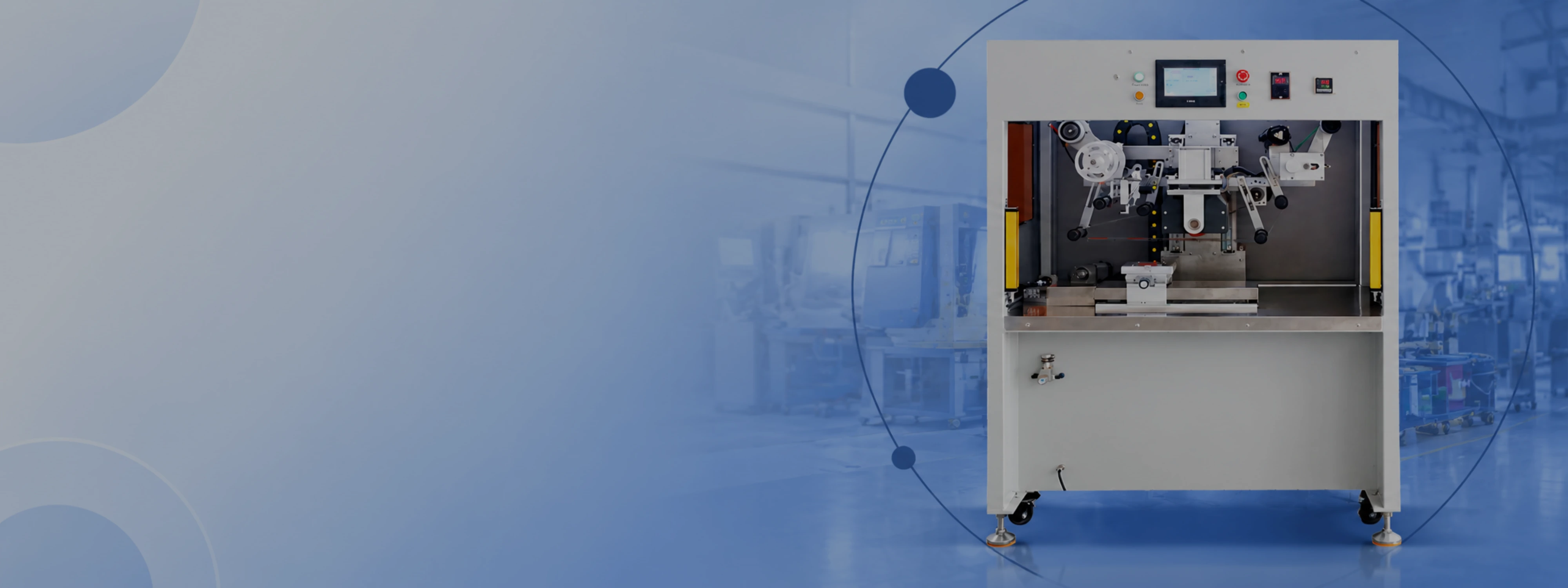
Industrial Printing Equipment Manufacturer & Custom Automation Partner
Shenzhen Topper Printing Machinery Co., Ltd. specializes in manufacturing industrial printing equipment for packaging, electronics, automotive components, medical-related products, and other manufacturing applications. Our product range includes pad printing machines, screen printing machines, and hot foil stamping systems, with customization options for different products and production requirements.From standard printing machines to application-specific automation, Topper Printing helps manufacturers evaluate printing methods, machine configurations, custom fixtures, and production-line integration.We seek to empower the industry with high-quality, impactful, and sustainable printing technology solutions, shaping innovative printing technology systems.
18+
Years of experience
60+
Different countries
100+
Satisfied customers
1000+
Completed projects
Our Core Capabilities
Industrial Printing Equipment
Pad printing, screen printing, and hot foil stamping machines for diverse manufacturing applications.
01
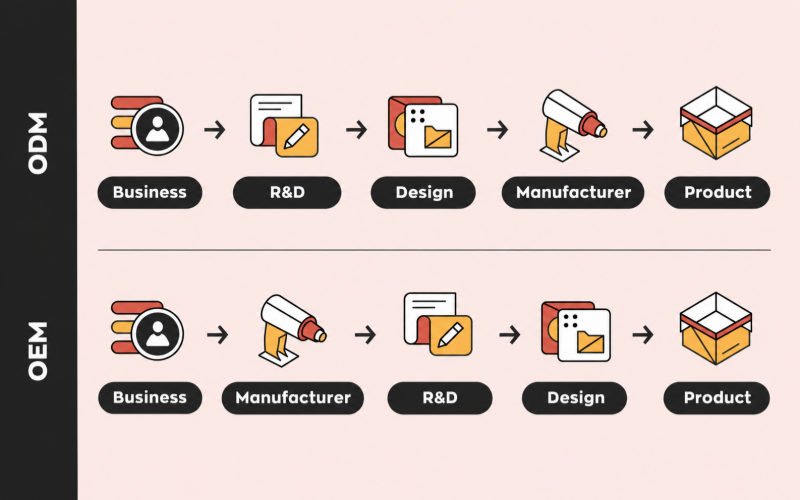
OEM/ODM Customization
Machine structure, fixtures, accessories, control options, and branding adaptations.
02
Automation Integration
Equipment configuration for connection with conveyors, robotic handling devices, and existing production systems.
03
Application-Based Engineering
Equipment discussions based on actual workpieces, artwork, and production targets.
04
Printing Evaluation
Sample requirements and agreed quality checks to support printing-process decisions.
05
About Shenzhen Topper Printing Machinery Co., Ltd.
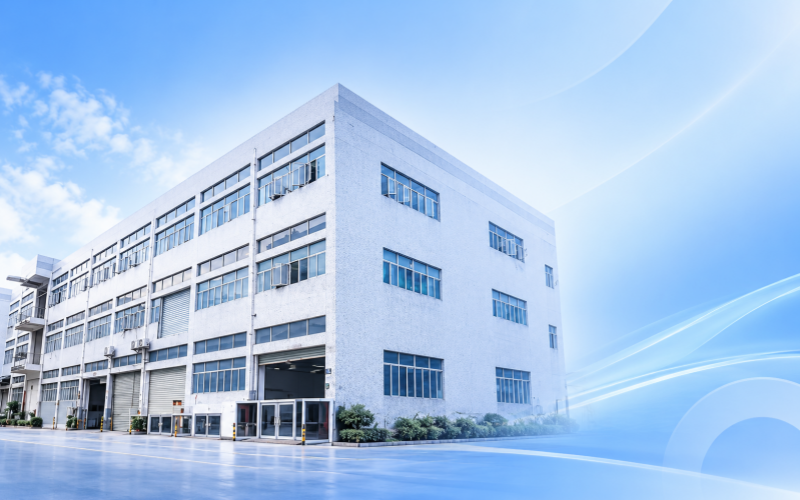
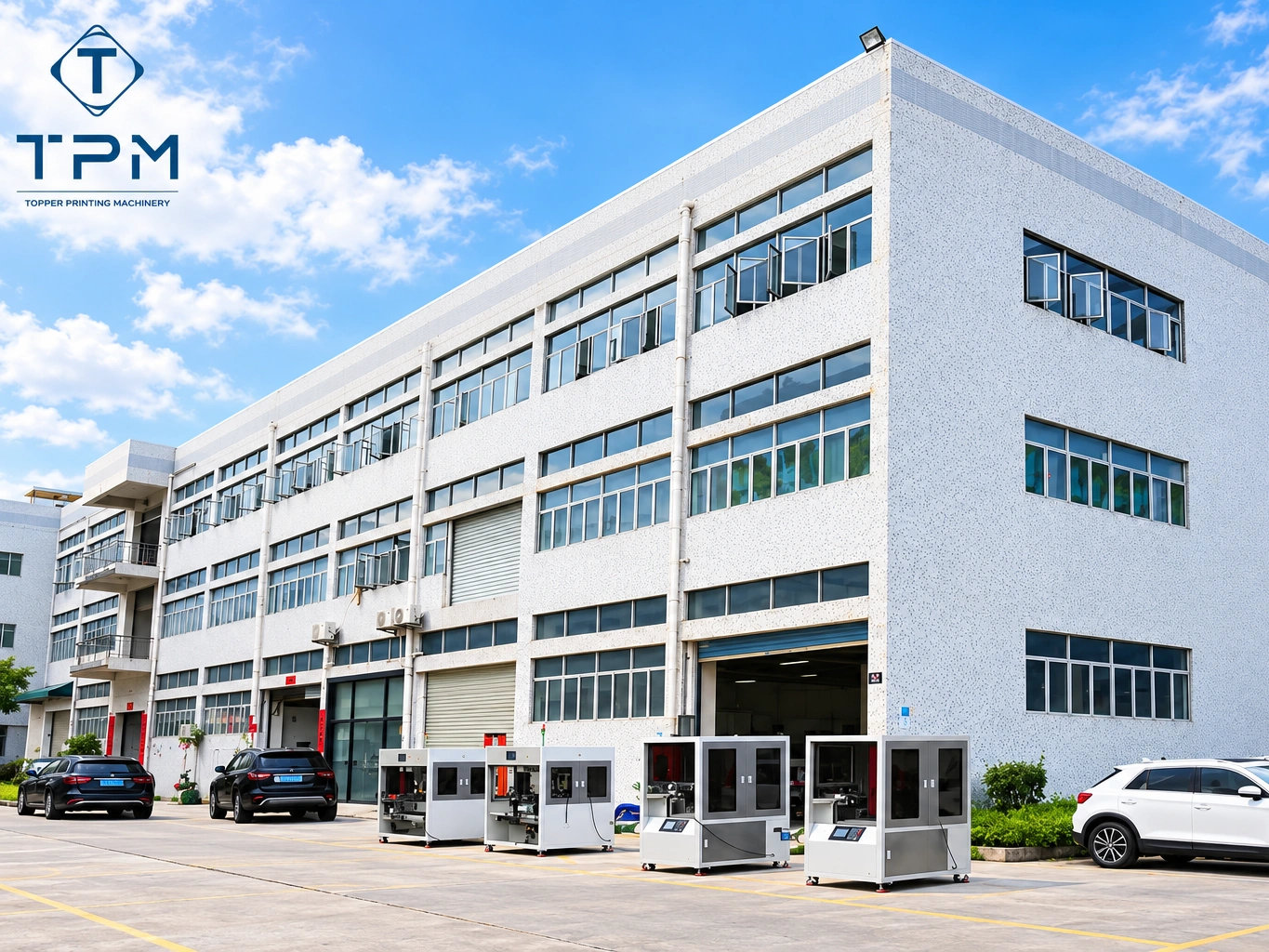
Shenzhen Topper Printing Machinery Co., Ltd., also known as Topper Printing or TPM, is a China-based industrial printing equipment manufacturer with manufacturing operations in Dongguan and a business presence in Shenzhen.
Our business focuses on equipment for transferring graphics, symbols, branding, and decorative finishes onto manufactured products. These include plastic and glass bottles, cosmetic packaging, caps, containers, electronic components, and other industrial workpieces.
Topper Printing's equipment portfolio ranges from semi-automatic machines to automatic systems designed for particular printing tasks. We also support OEM/ODM projects involving custom tooling, machinery adjustments, control configurations, and equipment interconnection.
Why Manufacturers Work with Topper Printing
Industrial printing equipment must fit the product, the artwork, and the production environment. Topper Printing combines multiple printing technologies with customized equipment options to help manufacturers evaluate their requirements more effectively.
Application-Based Equipment Customization
Different products create different printing challenges. A cylindrical bottle, molded electronic housing, and irregular plastic component cannot always share the same printing fixture or movement system.
Topper Printing supports machine customization around workpiece dimensions, printing position, artwork requirements, and production layout. This helps buyers focus on equipment suitability rather than selecting a standard model based only on its published specifications.
Multiple Printing Technologies
Not every surface is best suited to the same printing method. Pad printing is useful for localized markings on complex surfaces, while screen printing is often suitable for larger graphics on compatible flat or cylindrical products. Hot foil stamping provides another option for selected decorative finishes.
Our equipment portfolio allows customers to compare these approaches when evaluating a printing application.
Custom Fixtures and Mechanical Configurations
Consistent product positioning is essential for repeatable printing. Poor support or unstable clamping can cause image distortion, registration problems, and inconsistent contact.
Topper Printing can discuss customized fixtures, positioning arrangements, mechanical structures, and related accessories for different workpieces. These considerations are particularly important when products have unusual shapes or when several sizes must be processed.
Automation and Production-Line Integration
A printing machine must work with the surrounding production process. Manual loading, product transfers, drying, and unloading can affect achievable output.
Depending on project requirements, printing equipment can be configured for integration with conveyors, robotic handling systems, and other production machinery. Early discussion of these interfaces helps buyers identify engineering requirements before finalizing equipment specifications.
Flexible Controls and Equipment Options
Industrial buyers may require particular component brands, control functions, or operator-interface languages to meet internal factory requirements.
Topper Printing offers customization options involving PLCs, motors, cylinders, sensors, additional accessories, machine branding, and touchscreen interfaces. The final configuration is determined according to the selected machine and agreed technical requirements.
Manufacturing and Printing Evaluation
Machine construction and printing results must be considered together. A mechanically suitable machine still needs to produce acceptable graphics on the intended substrate.
Topper Printing's manufacturing and commissioning activities support technical discussions about machine functions and printing requirements. Product samples and agreed evaluation methods can help customers assess the proposed process before confirming a project.
Discuss Your Printing Application
Printing Challenges We Help Address

Standard Machines Do Not Fit Every Product
Products with curved surfaces, irregular shoulders, recessed printing areas, or unusual dimensions can be difficult to print using standard equipment. The printing head, fixture, and product movement must work together to maintain contact and positioning.
Topper Printing reviews product geometry and printing requirements to discuss suitable machinery and customized tooling options.
Maintaining Consistent Multicolor Registration
When a design uses multiple colors, slight changes in product positioning can shift the printed artwork between stations. This becomes more challenging with curved containers, rotating fixtures, or automatic feeding.
Machine configuration discussions should therefore consider positioning methods, movement control, sensor arrangements, and registration requirements before a multicolor system is selected.
Integrating Printing into Existing Production
Adding a printing station to an established production line involves more than matching equipment dimensions. Product transfer, machine signals, loading methods, operator access, and downstream curing can all affect integration.
Topper Printing supports discussions about machine interconnection and customized configurations for projects involving existing production equipment.
Selecting Equipment for Different Materials
Plastic, metal, glass, and coated surfaces may require different printing methods, inks, surface preparation, and curing conditions. Choosing equipment without considering the material can lead to poor adhesion or inconsistent results.
We encourage customers to provide material information and representative products when discussing printing feasibility and applicable testing methods.
modular title
Lorem ipsum dolor sit amet consectetur adipisicing elit
OEM/ODM Printing Machine Customization
Topper Printing provides customized printing machine solutions based on product shape, printing requirements, production capacity, and automation needs. Our OEM/ODM services help manufacturers configure suitable equipment for specific industrial applications.
Custom Machine Structure and Tooling
We customize machine structures, fixtures, clamps, and positioning systems to accommodate different product shapes, sizes, and printing locations, helping manufacturers achieve more consistent workpiece positioning and printing results.
PLC, Motor and Component Brand Options
Topper Printing supports customer-specified PLCs, motors, cylinders, sensors, and other control components to meet factory equipment standards, maintenance preferences, and project requirements.
Automation and Machine Interconnection
Our printing machines can be configured for integration with conveyors, robotic arms, automatic loading and unloading systems, and existing production lines to support coordinated production workflows.
Customized Touchscreen and Operator Interface
We offer touchscreen interface and language customization options for compatible machine control systems, helping operators understand machine functions and manage printing operations more conveniently.
OEM Branding and Appearance Options
Topper Printing supports OEM branding requirements, including customized machine colors, company logos, and exterior identification, allowing equipment to align with customer branding and distribution needs.
Share your product drawings, dimensions, materials, printing artwork, number of colors, and target production capacity. Our team will review your requirements and discuss suitable machine configurations and customization options.
Request OEM/ODM Printing Machine Support
Industrial Printing Applications
Different industries require different printing processes, machine configurations, and quality checks. Topper Printing's equipment portfolio addresses applications involving packaging, electronics, molded components, and specialized industrial products.

Industrial Printing Applications
Topper Printing provides industrial printing machines for packaging, electronics, automotive, medical-related components, and general manufacturing applications.

Cosmetic & Personal Care Packaging
Our automatic screen printing machines support multicolor logo and decorative printing on cosmetic bottles, skincare containers, caps, and personal care packaging.

Cosmetic & Personal Care Packaging
Our pad printing machines provide precise logo, symbol, and functional marking solutions for electronic housings, control buttons, and molded plastic components.

Automotive Components
Topper Printing offers customized pad printing solutions for automotive interior parts, control panels, switches, and irregularly shaped plastic components.

Medical & Technical Components
Our specialized pad printing equipment supports accurate markings on medical-related tubes, technical plastic parts, and industrial components.
Standard Printing Machines or Customized Systems?
Customized systems become more relevant when product positioning, automation, special materials, or factory integration requirements cannot be addressed adequately by an existing model.
| Evaluation Factor | Standard Printing Machine | Customized Printing System |
|---|---|---|
| Product Compatibility | Suitable for supported product dimensions and shapes | Evaluated around application-specific products |
| Fixture Design | Existing or adjustable fixtures | Custom tooling and positioning options |
| Automation | Standard loading and operating arrangements | Project-specific handling and integration |
| Control System | Model-dependent standard configuration | Selected component and interface options |
| Artwork & Colors | Within published machine capabilities | Evaluated according to the required design |
| Engineering Work | Focused on model selection and setup | Additional design and development may be required |
| Procurement Evaluation | Confirm machine specifications and availability | Confirm scope, feasibility, acceptance criteria, and schedule |
| Maintenance | Review standard spare parts and documentation | Review custom parts and integration requirements |
Printing Equipment Capabilities & Technical Specifications
Topper Printing offers different printing machine structures and control configurations. Actual technical specifications depend on the selected model, workpiece, printing process, and agreed options.The following information should be reviewed when selecting equipment for an industrial production application.
| Specification | Available Equipment Information | What Buyers Should Confirm |
|---|---|---|
| Printing Technology | Pad printing, screen printing, and hot foil stamping | Suitable process for the substrate and artwork |
| Automation Type | Semi-automatic and automatic configurations | Required loading, unloading, and operator involvement |
| Number of Colors | Depends on model and printing stations | Required number of colors and registration |
| Printing Area | Defined for each machine | Actual artwork dimensions and position |
| Workpiece Compatibility | Application and fixture dependent | Material, shape, dimensions, and weight |
| Positioning Arrangement | Fixtures, mechanical movement, and model-specific controls | Repeatability and product changeover |
| Drive and Control | Model-dependent pneumatic, electric, or servo options | Control requirements and preferred components |
| Pretreatment and Curing | Available on selected applications and configurations | Ink, substrate, and curing compatibility |
| Production Capacity | Defined under applicable operating conditions | Target accepted output and production assumptions |
| Power and Air Supply | Machine-specific | Factory utilities and installation environment |
| Machine Dimensions | Defined by the selected configuration | Floor space, access, and integration requirements |
| Maintenance Requirements | Dependent on machine and components | Consumables, spare parts, and service access |
How to Evaluate Machine Specifications:Buyers should compare machines under equivalent production requirements. A maximum cycle rate without details about the printed product, number of colors, and handling process may not represent actual production performance.For specific models, request the relevant datasheet and confirm the configuration, applicable technical limits, and testing requirements.
Request Technical Specifications
How We Develop Your Printing Equipment Solution
A clear project process helps industrial buyers evaluate technical feasibility, equipment configurations, and procurement requirements before committing to production.Topper Printing approaches custom printing equipment projects through discussions of the product, artwork, machine requirements, and expected printing results.
Provide product photographs or drawings, material details, dimensions, target printing area, artwork, number of colors, and expected production capacity.
If the equipment must connect to an existing production line, include the relevant handling arrangements, floor-space limits, and interface requirements.
The project requirements are reviewed to identify suitable printing technologies, product positioning needs, and possible process limitations.
Depending on the product, the evaluation may consider pad printing, screen printing, hot foil stamping, or a specific machine configuration.
After the application requirements have been clarified, the appropriate equipment structure, fixtures, control options, and automation functions can be discussed.
For custom projects, the technical scope should be agreed before moving forward with the equipment proposal.
Representative products and artwork may be used to assess printing feasibility under an agreed testing arrangement.
Sample evaluation can help identify issues involving graphic position, coverage, material compatibility, adhesion, and required adjustments.
Before equipment manufacturing or order approval, buyers should confirm the final machine configuration, included options, acceptance criteria, commercial terms, and expected production schedule.
Any project-specific engineering work should be documented in the agreed technical scope.
Equipment assembly and commissioning activities focus on confirming that the machine operates according to the agreed configuration.
Project-specific checks may include mechanical movement, printing functions, control operation, and relevant safety arrangements.
Machine inspection, shipment preparation, technical documentation, and post-delivery support requirements should be confirmed before dispatch.
Buyers should also review spare-parts requirements, installation conditions, and any necessary integration or operator training arrangements.
Start Your Printing Equipment Project
Inside the Topper Printing Manufacturing Facility
Manufacturing
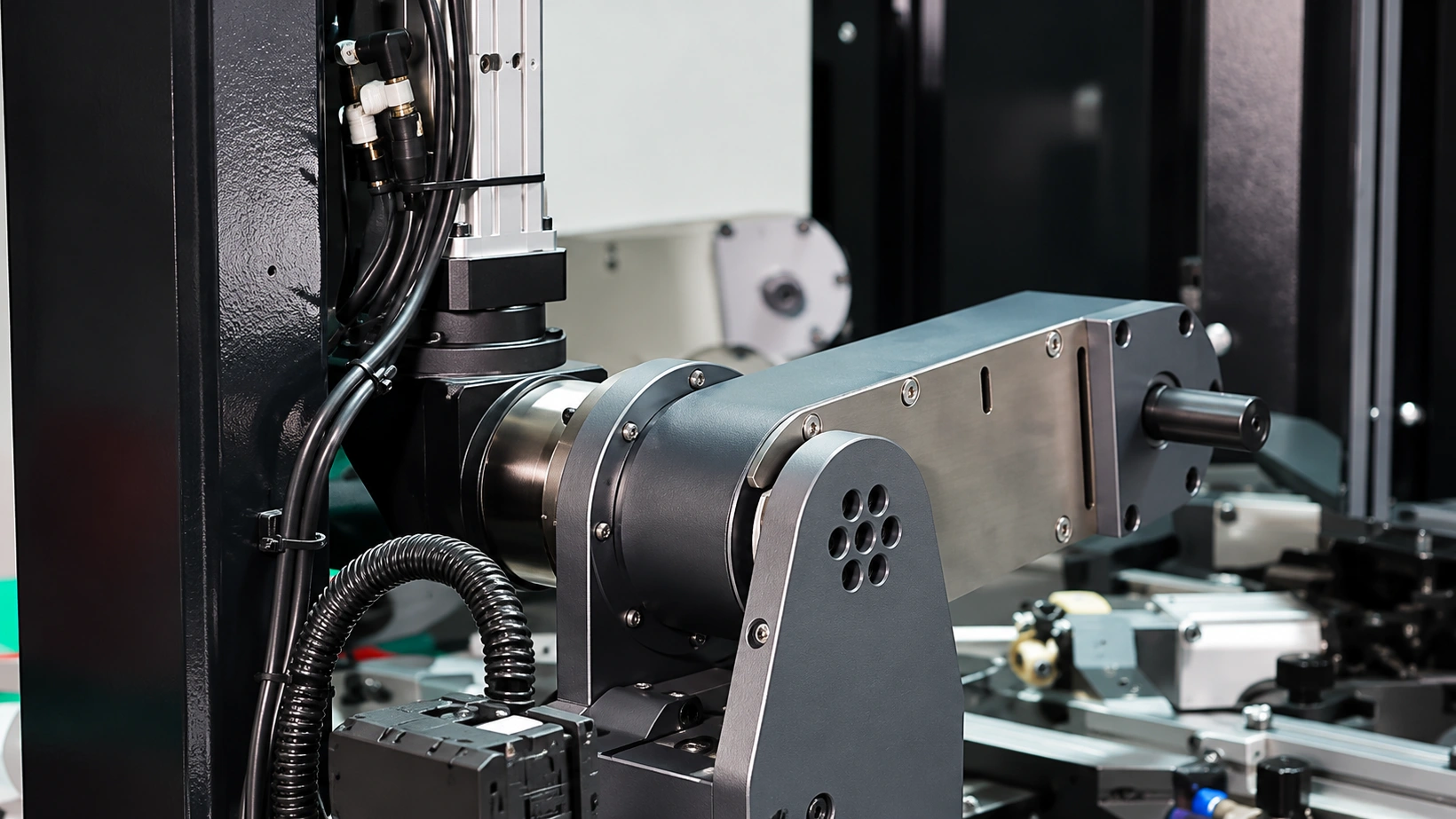
CNC Machining & Equipment Assembly
Topper Printing operates manufacturing facilities in Dongguan, China, covering CNC machining, mechanical assembly, electrical installation, and equipment commissioning. Our manufacturing capabilities support the production of industrial pad printing machines, screen printing machines, and hot foil stamping equipment for different industrial applications.
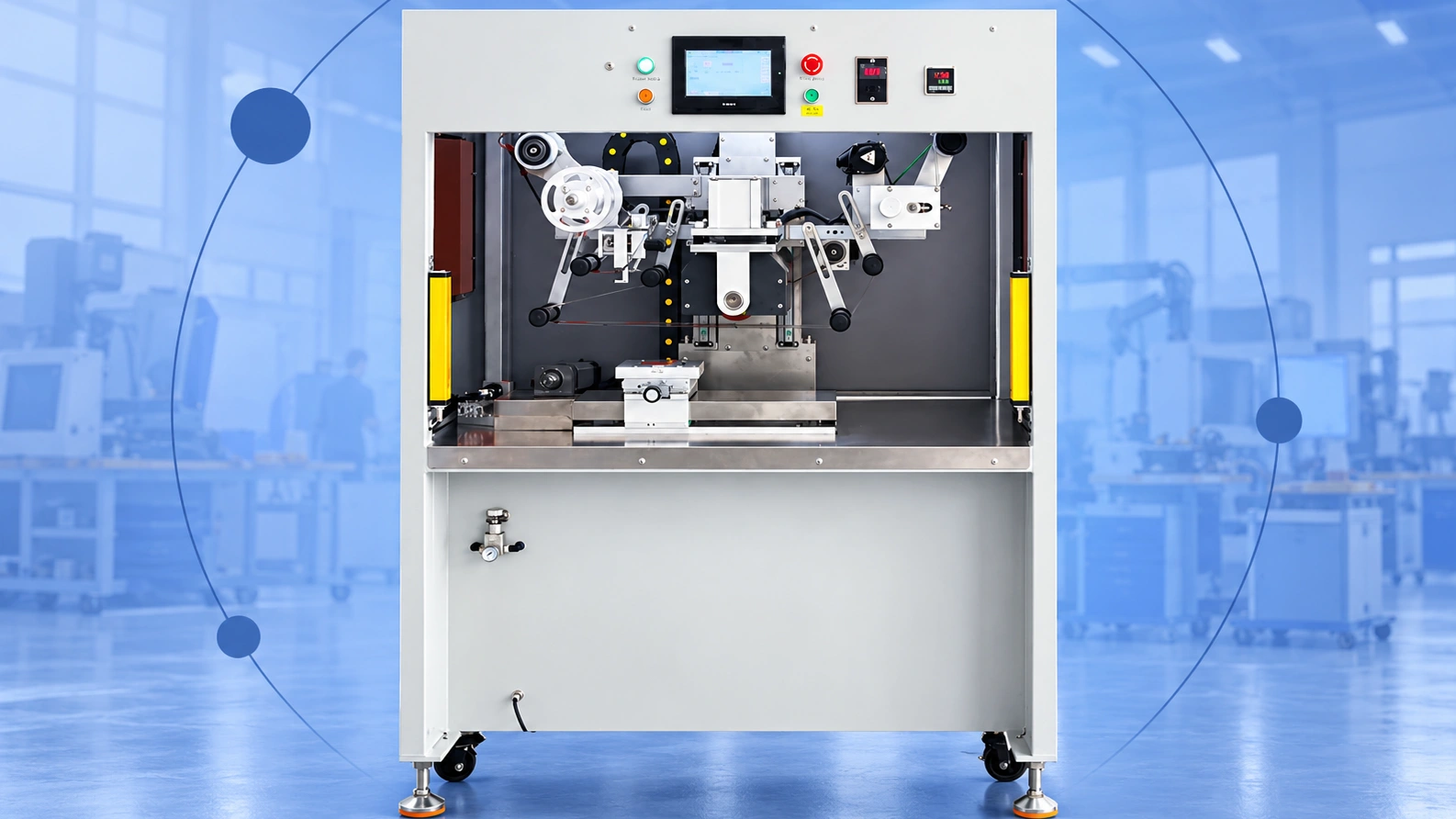
Engineering
Custom Machine Design & Automation Integration
Our engineering capabilities focus on customized printing equipment, precision fixtures, control system configurations, and production-line integration. Topper Printing supports OEM/ODM projects based on product geometry, printing requirements, and automation needs, helping manufacturers develop suitable equipment configurations for their production processes.
Frequently Asked Questions About Topper Printing
1. Is Topper Printing a manufacturer or a trading company?
Shenzhen Topper Printing Machinery Co., Ltd. is an industrial printing equipment manufacturer with manufacturing operations in Dongguan, China. Our main product categories include pad printing machines, screen printing machines, and hot foil stamping equipment. We offer standard equipment and discuss OEM/ODM customization according to customer applications and technical requirements.
2. What types of industrial printing machines do you supply?
Topper Printing supplies semi-automatic and automatic printing equipment for different industrial applications. Our portfolio covers pad printing, screen printing, hot foil stamping, and related equipment and accessories. Individual machines differ in printing area, color capacity, automation, workpiece compatibility, and technical configuration, so buyers should review the specifications of the selected model.
3. Can Topper Printing customize a machine for our products?
Yes. Topper Printing offers OEM/ODM customization options involving machine structures, fixtures, components, control functions, appearance, and equipment interconnection. Customers should provide product drawings or samples, printing requirements, expected capacity, and relevant production-line information. The customization scope is determined after technical review.
4. How do I choose between pad printing and screen printing?
The choice depends on product geometry, image size, material, number of colors, and production requirements. Pad printing is often useful for smaller graphics on irregular surfaces, while screen printing is frequently suitable for larger designs on compatible flat or cylindrical products. A technical evaluation is recommended before selecting the final machine.
5. Can I send product samples for printing evaluation?
Customers can discuss sample-printing arrangements with Topper Printing. Representative workpieces, artwork, and material information help determine whether a proposed process should be tested. The scope of evaluation, sample quantity, testing conditions, and applicable charges should be confirmed before samples are submitted.
6. Can your printing equipment be integrated with our production line?
Topper Printing provides machine interconnection and customization options for projects involving existing production equipment, conveyors, and robotic handling systems. Integration feasibility depends on the machine, product-handling requirements, electrical interfaces, control signals, and available installation space. These details should be reviewed during the project discussion.
7. Do you support OEM branding and customized machines interfaces?
Topper Printing supports selected OEM/ODM requirements, including equipment appearance, customer branding, designated component brands, and touchscreen language options. The available customization scope depends on the machine and control system. Buyers should confirm the required branding, interface details, and component specifications before approving the equipment configuration.
8. What is the minimum order quantity for printing equipment?
Order conditions depend on the machine model and level of customization. A standard machine and a specially engineered printing system may require different procurement arrangements. Please identify the equipment type, configuration, and required quantity so that Topper Printing can discuss the appropriate quotation and order conditions.
9. What is the lead time for standard and customized printing machines?
Manufacturing schedules depend on machine availability, engineering requirements, component sourcing, production planning, and the extent of customization. A project-specific schedule can be discussed after the required equipment configuration is clarified. Buyers should confirm the expected completion and shipment arrangements before placing an order.
10. Can you provide machine datasheets and technical documentation?
Technical specifications and available documents can be discussed for specific machine models. These may cover printing dimensions, colors, control systems, utilities, equipment dimensions, and other relevant requirements. If project-specific drawings or inspection documents are required, please identify them during the technical evaluation.
11. What quality checks can be discussed before shipment?
Depending on the printing process and selected machine, relevant checks may involve mechanical operation, printing position, artwork appearance, color registration, substrate compatibility, and agreed operational requirements. Product-specific adhesion or resistance tests should use suitable methods and acceptance criteria established for the application.
Let's Discuss Your Printing Project
Every industrial printing application has its own requirements. Whether you need a standard pad printing machine, an automatic bottle screen printer, or customized printing equipment, Topper Printing can review your product information and discuss suitable machine configurations.
Send us your product photographs, dimensions, material, artwork, number of colors, and expected production capacity. If your project involves custom fixtures, component preferences, or production-line integration, include these requirements as well.
Our team can use this information to discuss equipment options, technical considerations, and the next steps toward a quotation.