

What safety precautions should be taken when using a Tampography Machine?
Nov 05, 2025
Hey there! As a supplier of Tampography Machines, I've seen firsthand how these nifty devices can revolutionize printing tasks. But like any piece of equipment, using a Tampography Machine comes with its own set of safety precautions. In this blog, I'll share some essential safety tips to keep you and your team out of harm's way while getting the most out of your machine.
1. Read the Manual Thoroughly
I know, I know. Reading manuals can be a real snooze-fest. But trust me on this one—it's crucial. The manual that comes with your Tampography Machine is like a roadmap to safety and proper operation. It contains all the manufacturer's guidelines, warnings, and maintenance instructions. Before you even think about turning on the machine, take the time to read through the manual cover to cover. Pay special attention to the safety section, which will outline specific precautions for your particular model. If you have any questions or don't understand something, don't hesitate to reach out to our customer support team. We're here to help!
2. Wear Appropriate Personal Protective Equipment (PPE)
PPE is your first line of defense when working with a Tampography Machine. Depending on the nature of your printing job, you may need to wear a variety of protective gear, including:
- Safety Glasses: Protect your eyes from ink splashes, flying debris, and other potential hazards. Make sure your safety glasses fit properly and provide adequate side protection.
- Gloves: Choose gloves that are resistant to chemicals and solvents used in the printing process. Nitrile gloves are a popular choice because they offer good chemical resistance and dexterity.
- Respirator: If you're working with inks or solvents that produce harmful fumes, a respirator is essential. Select a respirator that is appropriate for the specific chemicals you're using and follow the manufacturer's instructions for proper use and maintenance.
- Apron: An apron can protect your clothing from ink stains and spills. Look for an apron made of a material that is resistant to chemicals and easy to clean.
3. Keep the Work Area Clean and Organized
A clean and organized work area is not only more efficient but also safer. Here are some tips to keep your workspace in top shape:
- Clear Clutter: Remove any unnecessary items from the work area, including tools, materials, and paperwork. Clutter can create tripping hazards and make it difficult to access the machine in case of an emergency.
- Clean Up Spills Immediately: Ink and solvent spills can be slippery and pose a risk of falls. If a spill occurs, clean it up right away using an appropriate absorbent material. Dispose of the contaminated material properly according to local regulations.
- Store Inks and Solvents Properly: Inks and solvents should be stored in a cool, dry place away from heat sources and open flames. Make sure the containers are tightly sealed to prevent leaks and spills. Keep a spill kit nearby in case of an emergency.
4. Follow Proper Machine Operation Procedures
Operating a Tampography Machine requires skill and attention to detail. Here are some general guidelines to follow:
- Turn Off the Machine When Not in Use: Always turn off the machine and unplug it from the power source when you're finished using it. This will prevent accidental startup and reduce the risk of electrical shock.
- Use the Correct Settings: Make sure you're using the correct settings for your printing job, including ink viscosity, pressure, and temperature. Incorrect settings can result in poor print quality and may also damage the machine.
- Avoid Overloading the Machine: Don't try to print more than the machine is designed to handle. Overloading the machine can cause it to malfunction and may also pose a safety risk.
- Keep Your Hands and Fingers Clear: Never reach into the machine while it's running. Wait for the machine to come to a complete stop before performing any maintenance or cleaning tasks.
5. Maintain the Machine Regularly
Regular maintenance is essential to keep your Tampography Machine running smoothly and safely. Here are some maintenance tasks you should perform on a regular basis:
- Clean the Machine: Clean the machine after each use to remove ink, solvent, and debris. Use a soft cloth and a mild cleaning solution to avoid damaging the machine's surfaces.
- Lubricate Moving Parts: Lubricate the machine's moving parts according to the manufacturer's recommendations. This will help reduce friction and wear, extend the life of the machine, and prevent malfunctions.
- Inspect the Machine for Damage: Regularly inspect the machine for signs of wear, damage, or loose parts. If you notice any problems, stop using the machine immediately and contact our technical support team for assistance.
- Replace Worn Parts: Replace worn or damaged parts as soon as possible to prevent further damage to the machine and ensure safe operation. We offer a wide range of replacement parts for our Tampography Machines, so you can easily find what you need.
6. Be Aware of Electrical Hazards
Electrical hazards are a serious concern when working with any type of machinery, including Tampography Machines. Here are some tips to help you stay safe:
- Use a Grounded Outlet: Make sure the machine is plugged into a grounded outlet to prevent electrical shock. If you're using an extension cord, make sure it is rated for the appropriate amperage and is in good condition.
- Avoid Water and Moisture: Keep the machine away from water and moisture to prevent electrical short circuits. If the machine gets wet, turn it off immediately and unplug it from the power source. Do not attempt to use the machine until it has been thoroughly dried and inspected by a qualified technician.
- Do Not Touch Electrical Components: Never touch electrical components inside the machine unless you are a qualified technician. Electrical shock can be fatal, so it's important to leave electrical repairs and maintenance to the professionals.
7. Train Your Employees Properly
If you have employees who will be operating the Tampography Machine, it's essential to provide them with proper training. Here are some training tips to keep in mind:
- Provide Hands-On Training: Hands-on training is the best way to ensure that your employees understand how to operate the machine safely and effectively. Make sure your training program includes both theoretical and practical components.
- Review Safety Procedures Regularly: Review safety procedures with your employees on a regular basis to reinforce good safety habits. Make sure they understand the importance of following safety guidelines and know what to do in case of an emergency.
- Encourage Feedback: Encourage your employees to provide feedback on the training program and the safety procedures. This will help you identify areas for improvement and make necessary adjustments to ensure the safety of your workforce.
8. Use Caution When Working with Inks and Solvents
Inks and solvents used in the printing process can be hazardous if not handled properly. Here are some tips to help you work safely with these chemicals:

- Read the Labels: Before using any ink or solvent, read the label carefully to understand the potential hazards and safety precautions. Follow the manufacturer's instructions for proper use, storage, and disposal.
- Use Inks and Solvents in a Well-Ventilated Area: Make sure your work area is well-ventilated to prevent the buildup of harmful fumes. If possible, use a ventilation system or open windows and doors to allow fresh air to circulate.
- Avoid Skin Contact: Inks and solvents can cause skin irritation, allergic reactions, and other health problems. Wear gloves and other appropriate PPE to prevent skin contact. If you do come into contact with an ink or solvent, wash the affected area immediately with soap and water.
- Dispose of Inks and Solvents Properly: Follow local regulations for the proper disposal of inks and solvents. Do not pour them down the drain or dispose of them in the trash. Instead, contact a licensed hazardous waste disposal company to handle the disposal of these materials.
9. Be Prepared for Emergencies
Despite your best efforts to prevent accidents, emergencies can still happen. That's why it's important to be prepared. Here are some emergency preparedness tips:
- Have an Emergency Plan: Develop an emergency plan that outlines the steps to take in case of an accident, fire, or other emergency. Make sure all employees are familiar with the emergency plan and know what to do in case of an emergency.
- Keep a First Aid Kit on Hand: A first aid kit should be readily available in the work area. Make sure the first aid kit is well-stocked and up-to-date. Train your employees on how to use the first aid kit properly.
- Know the Location of Fire Extinguishers and Emergency Exits: Make sure you know the location of all fire extinguishers and emergency exits in the work area. Conduct regular fire drills to ensure that all employees know how to evacuate the building safely in case of a fire.
10. Consider Automated Tampo Printing Solutions
If you're looking for a safer and more efficient way to perform printing tasks, consider investing in an automated Tampo Printing Machine. Automated machines offer a number of benefits, including:
- Reduced Operator Exposure: Automated machines can perform printing tasks with minimal operator intervention, reducing the risk of exposure to inks, solvents, and other potential hazards.
- Improved Print Quality: Automated machines offer precise control over the printing process, resulting in consistent and high-quality prints.
- Increased Productivity: Automated machines can print at a faster rate than manual machines, increasing productivity and reducing labor costs.
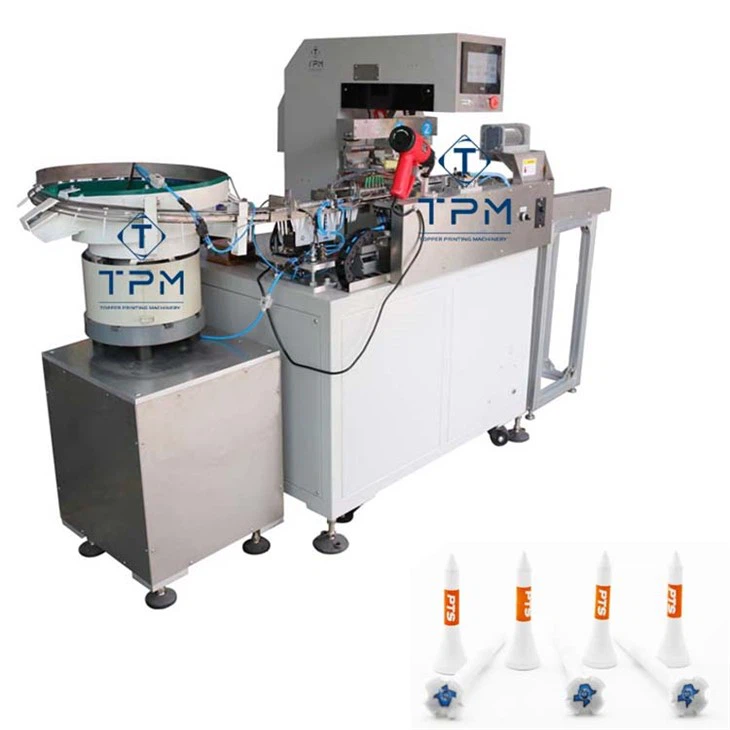
Check out our Automated Tampo Printing For Size Clips, Golf Tee Pad Printing Machine Automatic, and Automatic Buttons Ink Cups Pad Printing Machine for more information on our automated Tampo Printing solutions.
In conclusion, safety should always be your top priority when working with a Tampography Machine. By following these safety precautions, you can minimize the risk of accidents and injuries and ensure a safe and productive work environment. If you have any questions or need further assistance, please don't hesitate to contact us. We're here to help you get the most out of your Tampography Machine while keeping you and your team safe.
If you're interested in learning more about our Tampography Machines or would like to discuss your printing needs, we'd love to hear from you. Contact us today to start a conversation about how we can help you achieve your printing goals.
References
- Manufacturer's Manuals for Tampography Machines
- Occupational Safety and Health Administration (OSHA) Guidelines for Printing Industry
- Personal Protective Equipment (PPE) Standards and Recommendations