

How to handle ink waste from a rotary screen machine?
Dec 30, 2025
Hey there! As a supplier of rotary screen machines, I've seen firsthand the issue of ink waste. It's not just a matter of money; it's also about being eco - friendly. So, let's dig into how to handle ink waste from a rotary screen machine.
Understanding the Problem
First off, why do we have ink waste in the first place? Well, during the printing process with a rotary screen machine, there are several reasons. Sometimes, the ink doesn't transfer perfectly onto the material. There could be leftover ink in the screen, or maybe there are some adjustments that need to be made during a print run, which results in extra ink being used.
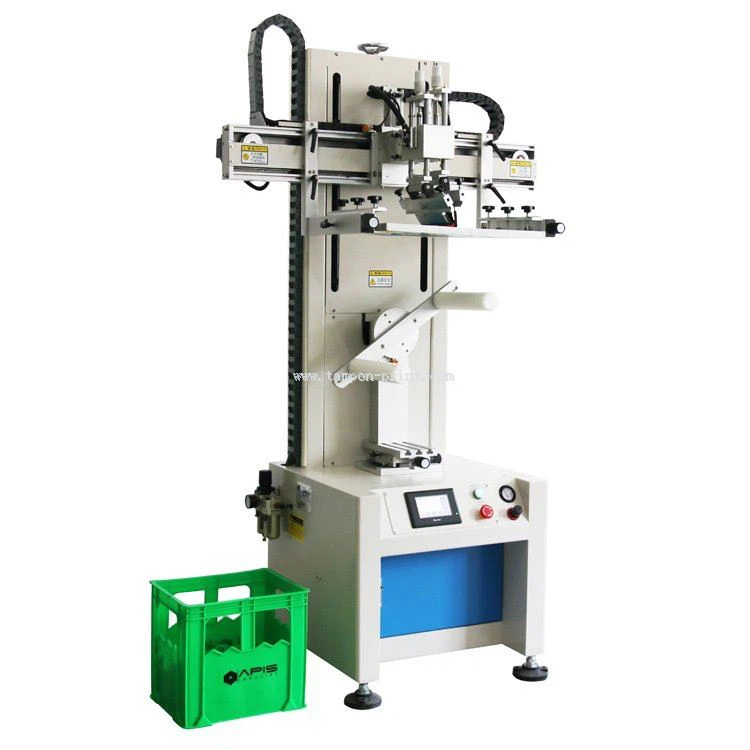
Let's say you're using a Rotary Crate Screen Printing Machine. This machine is great for a variety of printing jobs, but like any equipment, it has its quirks. If the settings aren't just right, you might end up with more ink on the screen than necessary.
Another thing is that the ink might dry up in the machine over time. This can happen if the machine is left idle for too long between print jobs. And once the ink dries, it's pretty much useless and becomes waste.
Preventive Measures
The best way to handle ink waste is to prevent it in the first place. Here are some tips:
1. Proper Machine Setup
Make sure your rotary screen machine is set up correctly. This includes adjusting the pressure, speed, and alignment. If the machine is calibrated well, the ink will transfer more efficiently onto the material, reducing the amount of leftover ink in the screen.
For example, if you're using a UV Exposure Unit Screen Printing Machine, you need to ensure that the exposure time and intensity are set according to the type of ink and material you're using. This way, you can get a clean and accurate print with less ink waste.
2. Regular Maintenance
Keep your machine clean and well - maintained. Clean the screens after each print job to remove any leftover ink. This not only prevents the ink from drying and becoming waste but also ensures that the screens are in good condition for the next print run.
You should also check the ink supply system regularly. Make sure there are no leaks or blockages. A leaky ink supply can lead to a lot of unnecessary ink waste.
3. Ink Management
Use the right amount of ink for each print job. Don't over - fill the ink reservoir. You can estimate the amount of ink needed based on the size and complexity of the print.
Also, try to use up all the ink in the reservoir before refilling it. This way, you're not wasting any partially used ink.
Recycling and Reusing Ink
Even with preventive measures, there will still be some ink waste. But don't worry, there are ways to recycle and reuse it.
1. Ink Separation
You can separate the ink into its components. Some inks have solvents that can be recovered and reused. By using a separation process, you can extract the solvents and use them again in the ink - making process.
2. Mixing and Reusing
If you have small amounts of different colors of ink waste, you can mix them together to create new colors. This is a great way to use up the leftover ink and create unique colors for your next print job.
For instance, if you have some red and yellow ink waste, you can mix them to make orange ink. And if you're using a Mini Manual Silk Screen Printer, these custom - mixed inks can be used for small - scale printing projects.
Safe Disposal
If you can't recycle or reuse the ink waste, you need to dispose of it safely. Ink waste can be hazardous to the environment if not disposed of properly.
1. Check Local Regulations
Before disposing of the ink waste, check your local environmental regulations. Different areas have different rules about how to dispose of hazardous waste. You might need to take the ink waste to a special disposal facility.
2. Use Approved Containers
Store the ink waste in approved containers. These containers are designed to prevent leaks and spills, which can be harmful to the environment.
Cost - Benefit Analysis
Handling ink waste isn't just about being eco - friendly; it also makes good business sense. By reducing ink waste, you can save money on ink costs. And if you can recycle or reuse the ink, you're getting even more value out of your ink investment.
Let's say you're running a printing business. If you can cut down on ink waste by 20%, that's a significant cost savings over time. And if you can recycle some of the ink, you're not only saving money but also reducing your environmental impact.
Conclusion
Handling ink waste from a rotary screen machine is a multi - faceted issue. By taking preventive measures, recycling and reusing ink, and disposing of it safely, you can minimize the amount of ink waste and make your printing process more efficient and sustainable.

If you're interested in learning more about our rotary screen machines or have any questions about ink waste management, feel free to reach out. We're here to help you make the most of your printing operations and reduce your environmental footprint.
References
- Screen Printing Handbook: A comprehensive guide to screen printing techniques and equipment maintenance.
- Environmental Protection Agency (EPA) guidelines on hazardous waste disposal.
- Industry research papers on ink recycling and reuse in the printing industry.