

Can silicone pad printing be used for printing on ceramics?
Nov 28, 2025
Hey there! As a silicone pad printing supplier, I often get asked if silicone pad printing can be used for printing on ceramics. Well, the short answer is yes, it can! But let's dive deeper into this topic and explore the ins and outs of using silicone pad printing on ceramic surfaces.
First off, let's talk about what silicone pad printing is. It's a printing process that uses a silicone pad to transfer an image from a printing plate onto a substrate, in this case, ceramics. The process involves several steps. First, the printing plate, which is usually made of steel or polymer, is etched with the desired image. Then, ink is applied to the plate, filling the etched areas. The silicone pad then presses onto the plate, picking up the ink from the etched areas. Finally, the pad presses against the ceramic surface, transferring the ink and creating the printed image.
One of the main advantages of using silicone pad printing on ceramics is its versatility. It can be used to print a wide variety of designs, from simple logos and text to complex patterns and images. Whether you're looking to print a small, detailed logo on a ceramic mug or a large, colorful design on a ceramic tile, silicone pad printing can get the job done.
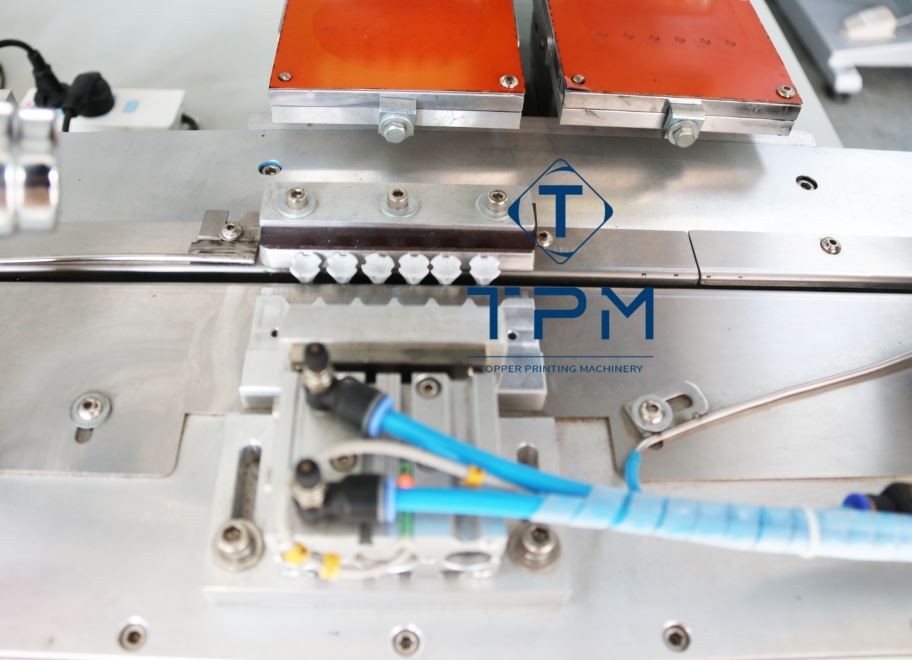

Another advantage is its precision. Silicone pads can be customized to fit the shape and size of the ceramic surface, ensuring that the printed image is accurately transferred. This makes it ideal for printing on irregularly shaped ceramics, such as ceramic vases or figurines.
In addition, silicone pad printing offers good adhesion on ceramic surfaces. The ink used in the process is formulated to bond well with ceramics, resulting in a durable and long - lasting print. This means that the printed image won't easily fade, chip, or peel off, even with regular use and handling.
Now, let's talk about the equipment needed for silicone pad printing on ceramics. There are several types of pad printing machines available, each with its own features and capabilities. For example, the Auto Golf Tees Shank 360 Pad Printing Machine is a great option for printing on cylindrical ceramic objects. It can rotate the object 360 degrees, allowing for seamless printing around the entire circumference.
The Automatic Buttons Ink Cups Pad Printing Machine is designed for high - volume printing. It uses ink cups to hold the ink, which helps to maintain a consistent ink supply and ensures high - quality prints.
If you're looking to print on flat or slightly curved ceramic surfaces, the Automatic Caps Pad Printing Machine might be the right choice for you. It's a versatile machine that can handle a variety of substrates and printing tasks.
However, there are also some challenges when it comes to silicone pad printing on ceramics. One of the main challenges is the surface preparation. Ceramics have a smooth and non - porous surface, which can make it difficult for the ink to adhere properly. To overcome this, the ceramic surface usually needs to be pre - treated. This can involve cleaning the surface to remove any dirt, grease, or debris, and then applying a primer or adhesion promoter to improve the ink's adhesion.
Another challenge is the firing process. After printing, the ceramic object often needs to be fired in a kiln to cure the ink and make it more durable. The firing temperature and time need to be carefully controlled to ensure that the ink doesn't burn or crack, and that the ceramic doesn't get damaged.
The choice of ink is also crucial. You need to use an ink that is specifically formulated for ceramic printing. These inks are designed to withstand the high temperatures of the firing process and to provide good adhesion and colorfastness on ceramic surfaces.
In terms of applications, silicone pad printing on ceramics has a wide range of uses. In the consumer goods industry, it's commonly used to print on ceramic mugs, plates, bowls, and other tableware. It can also be used to print on decorative ceramic items, such as wall tiles, vases, and figurines.
In the industrial sector, silicone pad printing can be used to print serial numbers, barcodes, and other identification marks on ceramic components. This helps with product tracking and quality control.
If you're considering using silicone pad printing for your ceramic printing needs, there are a few things to keep in mind. First, make sure you choose a reliable supplier who can provide high - quality equipment, inks, and technical support. A good supplier will be able to help you with surface preparation, ink selection, and firing process optimization.
Second, it's a good idea to do some test prints before starting a large - scale production. This will allow you to evaluate the print quality, adhesion, and durability of the ink, and make any necessary adjustments.
In conclusion, silicone pad printing is a viable option for printing on ceramics. It offers many advantages, such as versatility, precision, and good adhesion, but it also comes with some challenges, such as surface preparation and firing. With the right equipment, inks, and techniques, you can achieve high - quality and durable prints on ceramic surfaces.
If you're interested in learning more about silicone pad printing for ceramics or are looking to purchase pad printing equipment, don't hesitate to reach out. We're here to help you with all your ceramic printing needs. Whether you're a small - scale artisan or a large - scale manufacturer, we can provide you with the solutions you need to succeed in your ceramic printing projects. Let's start a conversation and see how we can work together to bring your ceramic printing ideas to life!
References
- "Pad Printing Technology Handbook"
- Industry reports on ceramic printing technologies