

Can a screen press machine print on rubber?
Dec 01, 2025
Can a screen press machine print on rubber?
In the world of printing technology, the capabilities of screen press machines are constantly being explored and expanded. One common question that arises is whether a screen press machine can print on rubber. As a supplier of high - quality screen press machines, I'm here to delve into this topic in detail.
Understanding Screen Press Machines
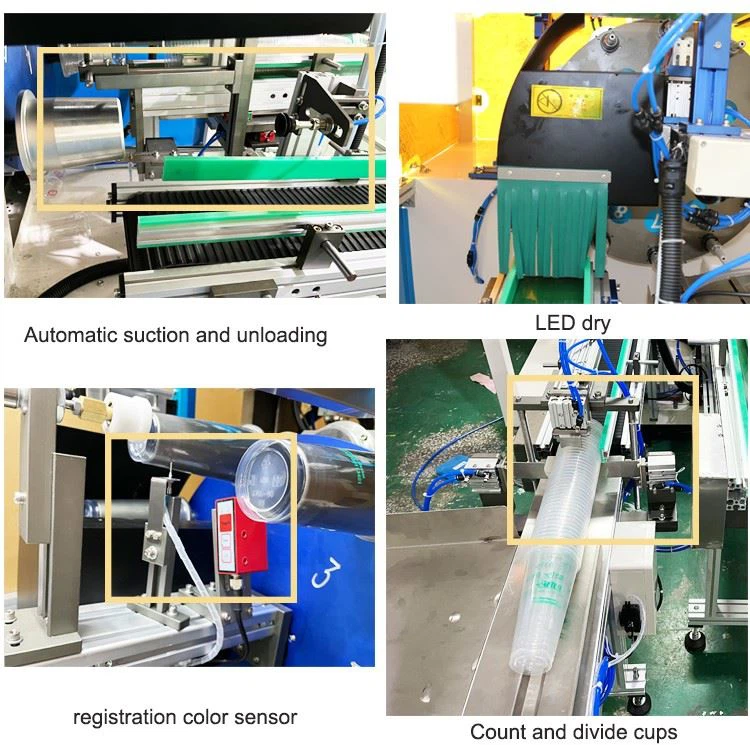
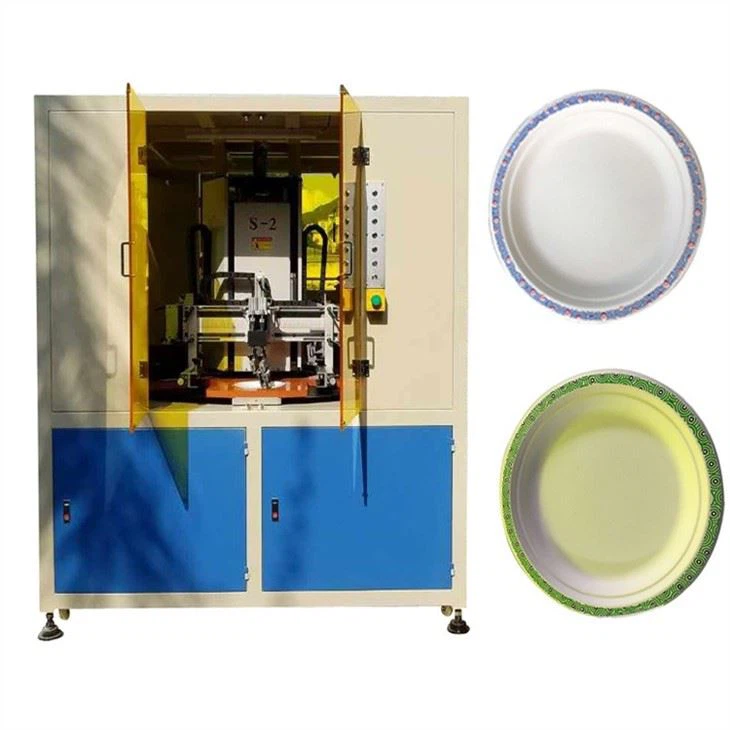
Screen press machines, also known as screen printers, operate on a relatively straightforward principle. The process involves forcing ink through a mesh screen onto a substrate. The areas of the screen that are not part of the desired print are blocked, allowing the ink to pass only through the open areas and create the intended design. There are different types of screen press machines available, each with its own features and applications. For instance, the Automatic Cylinder Screen Printing Machine is designed for printing on cylindrical objects, while the Multi Color Milk Tea Cup Screen Printing Machine focuses on multi - color printing on milk tea cups. The Automatic Vacuum Flat Screen Printing Machine is suitable for flat substrates.
Printing on Rubber: Feasibility
The short answer is yes, a screen press machine can print on rubber. Rubber is a versatile material that is used in a wide range of industries, from automotive to consumer goods. Printing on rubber can add aesthetic value, provide product information, or serve as a branding element.
However, there are several factors to consider when printing on rubber using a screen press machine.
1. Rubber Material Properties
Rubber comes in different types, such as natural rubber, synthetic rubber (e.g., neoprene, silicone), and thermoplastic elastomers. Each type has its own unique properties, including hardness, flexibility, and surface texture. For example, silicone rubber is known for its high temperature resistance and flexibility, while neoprene is more resistant to chemicals and weathering. These properties can affect the printing process. Softer rubbers may require a more gentle printing pressure to avoid deformation, while harder rubbers may need a different type of ink to ensure good adhesion.
2. Ink Compatibility
Selecting the right ink is crucial for successful printing on rubber. The ink must be compatible with the rubber material to ensure proper adhesion and durability. Solvent - based inks are often used for rubber printing because they can penetrate the rubber surface and form a strong bond. However, solvent - based inks may emit volatile organic compounds (VOCs), which can be a concern for environmental and health reasons. Water - based inks are a more environmentally friendly alternative, but they may require additional treatment or pre - coating to adhere well to rubber. UV - curable inks are also popular as they offer fast curing times and high - quality prints.
3. Surface Preparation
Proper surface preparation of the rubber is essential for good print quality. Rubber surfaces can be smooth or textured, and they may have a release agent or other contaminants on them. Cleaning the rubber surface thoroughly before printing can remove these contaminants and improve ink adhesion. In some cases, a primer may be applied to the rubber surface to enhance the bonding between the ink and the rubber.
4. Printing Pressure and Speed
The printing pressure and speed of the screen press machine need to be adjusted according to the rubber material and the design requirements. Too much pressure can cause the rubber to deform or the ink to spread unevenly, while too little pressure may result in poor ink transfer. Similarly, the printing speed should be optimized to ensure that the ink has enough time to transfer onto the rubber surface without smudging.
Applications of Printing on Rubber
There are numerous applications for printing on rubber using screen press machines.
1. Automotive Industry
In the automotive industry, rubber parts such as gaskets, seals, and hoses often require printing for identification, branding, or safety information. For example, a manufacturer may print the part number, batch number, or company logo on a rubber gasket. Screen printing provides a cost - effective and durable way to apply these markings.
2. Consumer Goods
Rubber is widely used in consumer goods, such as rubber bracelets, phone cases, and kitchen utensils. Printing on these items can add a decorative element or brand promotion. For instance, a company may print its logo or a trendy design on a rubber phone case to attract customers.
3. Industrial Seals and Gaskets
Industrial seals and gaskets need to have clear markings for proper installation and identification. Screen printing can be used to print information such as dimensions, material type, and installation instructions on these rubber components.
Our Screen Press Machines for Rubber Printing
As a screen press machine supplier, we offer a range of machines that are suitable for rubber printing. Our machines are designed with advanced features to ensure precise printing on rubber materials. They have adjustable printing pressure and speed settings, allowing for customization based on the specific requirements of the rubber printing job. Additionally, our machines are compatible with different types of inks, including solvent - based, water - based, and UV - curable inks.
Contact Us for Rubber Printing Solutions
If you are interested in printing on rubber using our screen press machines, we invite you to contact us for a detailed discussion. Our team of experts can provide you with professional advice on machine selection, ink compatibility, and surface preparation. We can also offer customized solutions based on your specific needs. Whether you are a small - scale manufacturer or a large - scale industrial enterprise, we have the right screen press machine for your rubber printing requirements.
References
- "Screen Printing Technology Handbook", John Wiley & Sons, Inc.
- "Rubber Technology: Compounding, Testing, and Applications", William Andrew Publishing.