

Can an Automatic Pad Printer print on carbon fiber?
Jan 06, 2026
Can an Automatic Pad Printer print on carbon fiber?
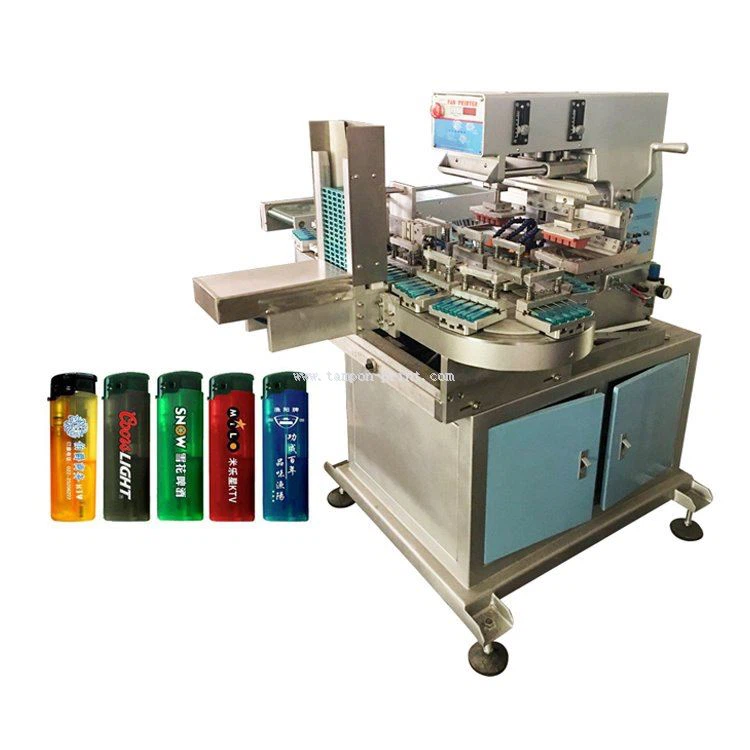
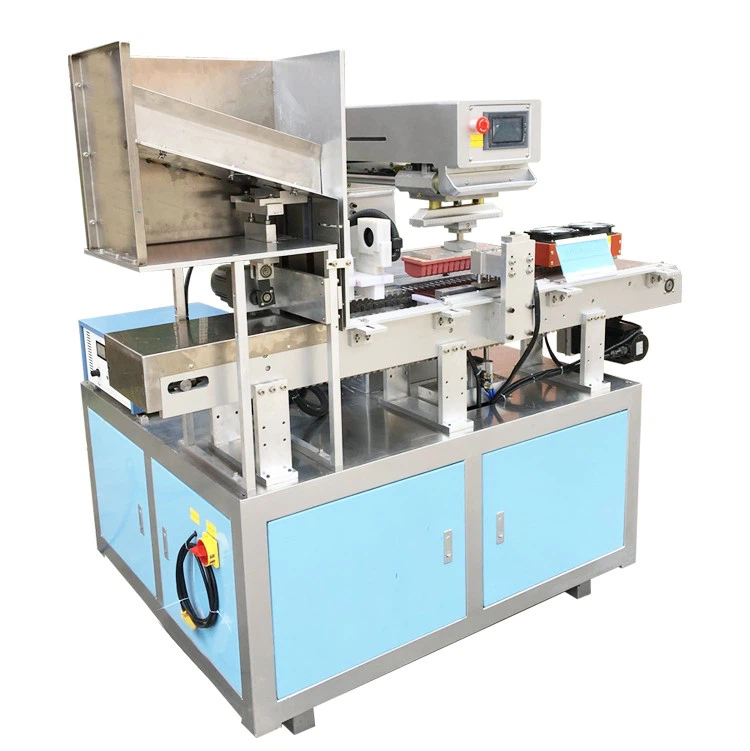
In the realm of industrial printing, the ability to print on diverse materials is a significant factor in determining the efficiency and versatility of printing equipment. As a leading supplier of Automatic Pad Printers, I'm often asked about the machine's functionality and compatibility with various materials. One question that has emerged frequently is whether an Automatic Pad Printer can print on carbon fiber. In this blog post, I'll delve into this topic, exploring the technical aspects and challenges associated with printing on carbon fiber using an Automatic Pad Printer.
Understanding Carbon Fiber
Carbon fiber is a lightweight, high - strength material composed of carbon atoms bonded together in microscopic crystals. It is known for its excellent mechanical properties, including high stiffness, low weight, high chemical resistance, and high temperature tolerance. These properties make carbon fiber a popular choice in industries such as aerospace, automotive, sports equipment, and consumer electronics, where strength - to - weight ratio is a critical factor.
However, from a printing perspective, carbon fiber presents unique challenges. Its smooth, non - porous surface makes it difficult for inks to adhere properly. Additionally, the high surface energy and chemical resistance of carbon fiber can prevent inks from spreading and bonding effectively, which is crucial for achieving a high - quality print.
How Automatic Pad Printers Work
Before we discuss whether an Automatic Pad Printer can handle carbon fiber, let's briefly understand how these machines operate. The Pad Printers, as represented by our product line at The Pad Printers, are designed to transfer a 2D image from a printing plate onto a 3D object.
The process begins with a silicone pad pressing onto an engraved plate filled with ink. The pad picks up the ink from the engraved areas and then transfers it onto the substrate (the material to be printed on). Automatic Pad Printers automate this process, offering consistent and high - speed printing. They can be customized with different ink cups and pads to meet the specific requirements of various printing tasks, making them suitable for a wide range of materials, shapes, and sizes.
Challenges of Printing on Carbon Fiber
- Ink Adhesion
The most significant challenge when printing on carbon fiber is ink adhesion. The smooth surface of carbon fiber lacks the pores and irregularities that help inks grip other materials. Unlike porous materials where the ink can seep into the pores and form a mechanical bond, on carbon fiber, a chemical bond between the ink and the surface is essential. Without proper adhesion, the printed image may peel, crack, or fade over time, especially when exposed to mechanical stress or environmental factors. - Surface Preparation
As mentioned earlier, the surface of carbon fiber has high surface energy and chemical resistance. This means that the ink may bead up on the surface instead of spreading evenly. To overcome this, thorough surface preparation is required. This may involve cleaning the surface to remove any contaminants such as oils, dust, or fingerprints. Additionally, surface treatments like corona treatment or plasma treatment can be used to modify the surface energy of the carbon fiber, making it more receptive to inks. - Ink Compatibility
Not all inks are suitable for printing on carbon fiber. The ink must have the right chemical composition to adhere to the surface and withstand the physical and chemical properties of carbon fiber. For example, UV - cured inks are often a popular choice for printing on carbon fiber because they offer fast curing times, high abrasion resistance, and good adhesion. However, finding the right ink formulation that meets all the requirements can be a complex task and may require some experimentation.
Overcoming the Challenges
- Surface Treatment
Surface treatment is a crucial step in ensuring proper ink adhesion on carbon fiber. As a supplier, we often recommend our customers to use plasma treatment before printing. Plasma treatment cleans the surface and modifies its chemical structure, increasing the surface energy and creating more reactive sites for the ink to bind to. This process significantly improves the wetting properties of the surface, allowing the ink to spread evenly and form a strong bond. - Ink Selection
We offer a wide range of ink options for our Automatic Pad Printers. For carbon fiber printing, our team can assist customers in selecting the most suitable ink. UV - curable inks are a top choice, as they can be cured quickly using ultraviolet light, reducing production time. Additionally, these inks offer good flexibility, which is important as carbon fiber products may be subject to some degree of bending or flexing. - Printing Process Optimization
Our Automatic Pad Printers can be adjusted to optimize the printing process on carbon fiber. Factors such as pad pressure, speed, and the number of prints can be fine - tuned to ensure the best possible results. The combination of the right silicone pad, ink, and printing parameters can significantly improve the quality and durability of the printed image on carbon fiber.
Case Studies: Printing on Carbon Fiber with Automatic Pad Printers
- Aerospace Industry
In the aerospace industry, carbon fiber components are commonly used due to their lightweight and high - strength properties. Our Automatic Buttons Ink Cups Pad Printing Machine, available at Automatic Buttons Ink Cups Pad Printing Machine, has been used to print serial numbers, logos, and other identification marks on carbon fiber parts. Through proper surface treatment and ink selection, we were able to achieve a high - quality print that met the strict requirements of the aerospace industry in terms of durability and precision. - Automotive Industry
In the automotive sector, carbon fiber is often used for interior and exterior components to enhance the vehicle's aesthetic appeal and performance. The Automatic Plastic PLA Straw Pad Printing Machine, detailed at Automatic Plastic PLA Straw Pad Printing Machine, has been successfully used to print on carbon fiber dashboard panels and gear knobs. By optimizing the printing process, we were able to create sharp and long - lasting prints that can withstand the harsh conditions inside a vehicle, such as temperature changes and exposure to sunlight.
Conclusion
In summary, an Automatic Pad Printer can indeed print on carbon fiber, but it requires careful consideration of various factors. Surface preparation, ink selection, and printing process optimization are key elements in achieving high - quality and durable prints on this challenging material. As a supplier of Automatic Pad Printers, we have the expertise and experience to help our customers overcome these challenges and achieve the best results.
If you are interested in printing on carbon fiber or any other materials using our Automatic Pad Printers, we invite you to contact us for a consultation. Our team of experts is ready to work with you to develop a customized printing solution that meets your specific needs. Whether you are in the aerospace, automotive, sports equipment, or consumer electronics industry, we can provide the equipment and support you need to take your printing projects to the next level.
References
- “Carbon Fiber Composites: Properties, Applications, and Manufacturing Processes” - John Wiley & Sons, Inc.
- “Pad Printing Technology: Principles and Applications” - Association of Industrial Printing