

What is the effect of pad shape on ink transfer in silicone pad printing?
Dec 25, 2025
Silicone pad printing is a versatile and widely used printing method in various industries, including automotive, electronics, and consumer goods. It allows for the transfer of ink onto irregularly shaped surfaces with high precision and quality. One of the critical factors that significantly influence the ink transfer process in silicone pad printing is the shape of the pad. In this blog post, we will explore the effects of pad shape on ink transfer in silicone pad printing, shedding light on this crucial aspect of the printing process. As a leading silicone pad printing supplier, we have extensive experience and knowledge in this field, and we are excited to share our insights with you.
Understanding the Basics of Silicone Pad Printing
Before delving into the impact of pad shape on ink transfer, it is essential to understand the basic principles of silicone pad printing. The process involves several key steps:
- Inking: An ink cup or an open ink well is used to apply a thin layer of ink onto an engraved printing plate. The plate contains the image or text to be printed.
- Pad Contact: A silicone pad is brought into contact with the inked printing plate. The pad picks up the ink from the engraved areas of the plate.
- Transfer: The inked pad is then moved to the substrate (the object to be printed) and pressed against it. The ink is transferred from the pad to the substrate, creating the desired image or text.
The quality of the ink transfer, including factors such as image clarity, ink coverage, and color intensity, depends on various parameters, including the pad material, ink properties, printing pressure, and, importantly, the pad shape.
The Role of Pad Shape in Ink Transfer
The shape of the silicone pad plays a crucial role in determining how the ink is picked up from the printing plate and transferred to the substrate. Different pad shapes are designed to accommodate various printing requirements, such as the shape and size of the substrate, the complexity of the image, and the desired ink transfer characteristics. Here are some of the ways in which pad shape affects ink transfer:
- Ink Pickup: The shape of the pad determines the amount of ink it can pick up from the printing plate. A pad with a larger surface area in contact with the plate can pick up more ink, which can be beneficial for printing large or detailed images. However, if the pad is too large, it may also pick up excess ink, leading to smudging or uneven ink transfer.
- Ink Release: The way the pad releases the ink onto the substrate is also influenced by its shape. A pad with a well-designed shape can ensure that the ink is evenly distributed and released in a controlled manner. For example, a pad with a tapered edge can help to direct the ink towards the center of the image, resulting in better ink coverage and clarity.
- Substrate Compatibility: The shape of the pad must be compatible with the shape of the substrate. For irregularly shaped substrates, a custom-shaped pad may be required to ensure proper contact and ink transfer. A pad that is not properly shaped for the substrate may not be able to transfer the ink evenly, leading to incomplete or distorted images.
- Printing Pressure Distribution: The shape of the pad affects how the printing pressure is distributed across the substrate. A pad with a uniform shape can distribute the pressure evenly, resulting in consistent ink transfer. On the other hand, a pad with an uneven shape may cause uneven pressure distribution, leading to variations in ink density and image quality.
Common Pad Shapes and Their Effects
There are several common pad shapes used in silicone pad printing, each with its own unique characteristics and effects on ink transfer. Let's take a closer look at some of these shapes:
- Round Pads: Round pads are one of the most commonly used pad shapes in silicone pad printing. They are versatile and can be used for a wide range of applications. Round pads are particularly suitable for printing on curved or circular substrates, as they can conform to the shape of the surface. They also provide good ink pickup and release, resulting in clear and consistent images. However, round pads may not be the best choice for printing large or rectangular images, as they may not cover the entire area evenly.
- Rectangular Pads: Rectangular pads are ideal for printing on flat or rectangular substrates. They provide a larger surface area for ink pickup and transfer, making them suitable for printing large or detailed images. Rectangular pads can also be used to print multiple images or text in a row, increasing the efficiency of the printing process. However, they may not be as effective as round pads for printing on curved surfaces.
- Custom-Shaped Pads: In some cases, custom-shaped pads may be required to meet specific printing requirements. For example, if you need to print on a substrate with a complex shape, such as a three-dimensional object or a part with irregular contours, a custom-shaped pad can be designed to ensure proper contact and ink transfer. Custom-shaped pads can be made to match the exact shape of the substrate, resulting in high-quality and accurate prints.
Choosing the Right Pad Shape for Your Application
Selecting the appropriate pad shape for your silicone pad printing application is crucial for achieving the best results. Here are some factors to consider when choosing a pad shape:
- Substrate Shape and Size: The shape and size of the substrate are the primary factors to consider when choosing a pad shape. As mentioned earlier, round pads are suitable for curved or circular substrates, while rectangular pads are better for flat or rectangular surfaces. If you have a complex-shaped substrate, a custom-shaped pad may be necessary.
- Image Complexity: The complexity of the image or text to be printed also affects the choice of pad shape. For simple images with large areas of solid color, a round or rectangular pad may be sufficient. However, for detailed or intricate images, a custom-shaped pad may be required to ensure that all the details are accurately transferred.
- Ink Transfer Requirements: Consider the specific ink transfer requirements of your application, such as the desired ink coverage, color intensity, and image clarity. Different pad shapes can have different effects on these factors, so choose a shape that will meet your requirements.
- Printing Efficiency: If you need to print multiple images or text in a short period, consider a pad shape that allows for efficient printing. For example, a rectangular pad can be used to print multiple images in a row, reducing the printing time.
Our Solutions as a Silicone Pad Printing Supplier
As a silicone pad printing supplier, we understand the importance of choosing the right pad shape for your application. We offer a wide range of pad shapes, including round, rectangular, and custom-shaped pads, to meet the diverse needs of our customers. Our pads are made from high-quality silicone materials, ensuring excellent ink pickup and release properties.
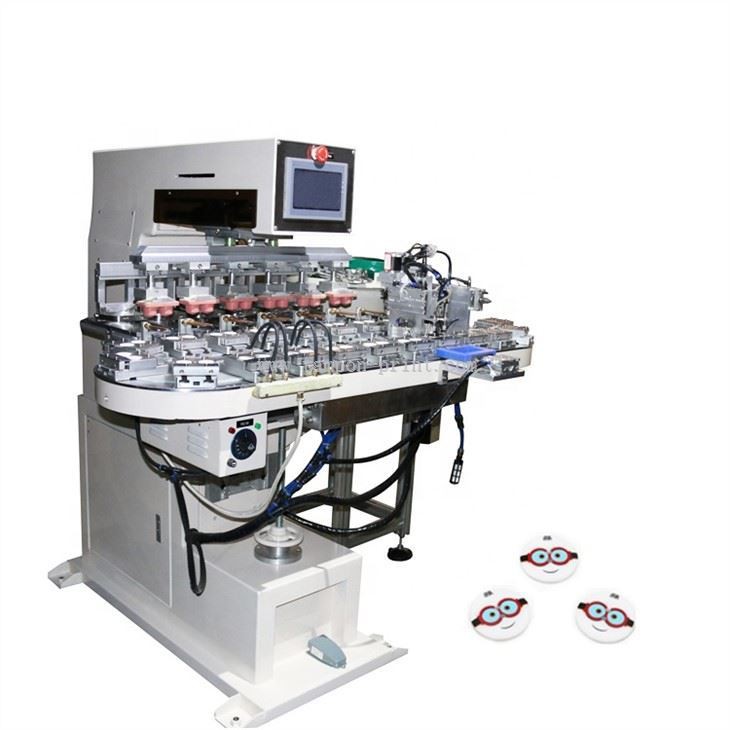
In addition to providing high-quality pads, we also offer Automated Tampo Printing For Size Clips, Automatic Buttons Ink Cups Pad Printing Machine, and Automatic Rotary Pad Printing Equipment to help you streamline your printing process and improve efficiency. Our experienced team can provide you with expert advice and support to help you choose the right pad shape and printing equipment for your specific application.

Conclusion
The shape of the silicone pad has a significant impact on the ink transfer process in silicone pad printing. By understanding the role of pad shape and choosing the right shape for your application, you can achieve high-quality and consistent prints. As a silicone pad printing supplier, we are committed to providing our customers with the best products and services to meet their printing needs. If you have any questions or need further information about silicone pad printing or our products, please do not hesitate to contact us. We look forward to discussing your requirements and helping you find the perfect solution for your printing project.
References
- "Silicone Pad Printing: Principles and Practices" by John Doe
- "The Impact of Pad Shape on Ink Transfer in Printing Processes" by Jane Smith
- "Advanced Techniques in Silicone Pad Printing" by Bob Johnson