

What is the effect of humidity on Tampo Printing?
Nov 26, 2025
Hey there! I'm a supplier in the Tampo Printing business, and today I wanna chat about something super important in our field: the effect of humidity on Tampo Printing.
First off, let's quickly understand what Tampo Printing is. It's a great way to print on all sorts of surfaces, from small, irregularly - shaped items to larger industrial parts. We use a silicone pad to pick up ink from an engraved plate and then transfer it onto the substrate. It's a flexible and efficient printing method that we rely on a lot.
Now, humidity, that's the amount of water vapor in the air. You might not think it has much to do with printing, but trust me, it can have a huge impact on the Tampo Printing process.
How Humidity Affects the Ink
One of the most obvious ways humidity affects Tampo Printing is through the ink. Ink is a crucial part of the whole process, and its properties can change depending on the humidity levels.
In high - humidity conditions, the ink can absorb moisture from the air. This makes the ink thinner and less viscous. When the ink is too thin, it doesn't hold its shape well on the silicone pad. As a result, the transfer from the pad to the substrate might not be as sharp or precise. You might end up with blurry prints or prints where the ink spreads out more than it should.
For example, if you're using Tampo Printing to put a logo on Lego Toys Tampography Machine, high humidity could make the logo look smudged. This is a big no - no, especially when you're dealing with high - quality products where the print needs to be clear and detailed.
On the other hand, in low - humidity environments, the ink can dry out too quickly. When the ink dries on the engraved plate or the silicone pad, it can clog the plate or cause the pad to lose its ability to pick up the ink properly. This leads to incomplete prints or prints with missing parts. If you're using an Industrial Pad Printing Machines for large - scale production, this can slow down the whole process and increase waste.
Impact on the Silicone Pad
The silicone pad is another key component in Tampo Printing, and humidity can mess with it too.
In high - humidity conditions, the silicone pad can absorb moisture. This can make the pad softer and more prone to damage. A soft pad might not be able to transfer the ink evenly, and it can also wear out faster. This means you'll have to replace the pads more often, which can be costly.
In low - humidity situations, the pad can become brittle. A brittle pad doesn't have the flexibility it needs to pick up and transfer the ink effectively. It might crack or break, and again, this leads to poor - quality prints and more downtime for pad replacement.
Substrate Considerations
The substrate, which is the material you're printing on, also reacts to humidity.

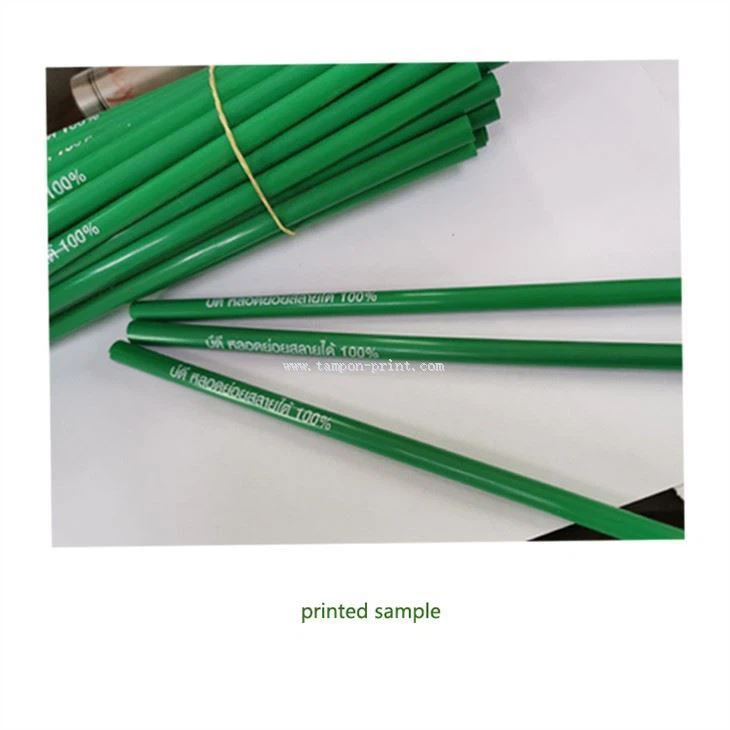
Some substrates, like plastics, can expand or contract depending on the humidity. When a plastic substrate expands in high - humidity conditions, the print might stretch and distort. If you're using an Automatic Buttons Ink Cups Pad Printing Machine to print on plastic buttons, the expansion can make the print look out of shape.
In low - humidity environments, substrates can become dry and static - charged. Static electricity can attract dust and debris, which can get in the way of the printing process. It can also cause the ink to not adhere properly to the substrate, resulting in a poor - quality print.
Controlling Humidity for Better Results
So, what can we do to deal with these humidity - related issues?
One option is to use a humidity - controlled environment. You can set up a printing room with a humidifier or dehumidifier to keep the humidity at an optimal level. For most Tampo Printing applications, a relative humidity of around 40% - 60% is ideal. This range helps to keep the ink, the pad, and the substrate in the best condition for printing.
Another thing is to choose the right ink and pad for different humidity conditions. Some inks are more resistant to humidity changes, and some pads are designed to perform better in high or low - humidity environments.
Regular maintenance of your printing equipment is also crucial. Clean the engraved plates and the silicone pads frequently to prevent ink buildup and damage caused by humidity.
Conclusion
In conclusion, humidity plays a huge role in Tampo Printing. It can affect the ink, the silicone pad, and the substrate, all of which can lead to poor - quality prints, increased costs, and production delays. But by understanding how humidity impacts the process and taking steps to control it, we can ensure that our Tampo Printing jobs are successful.
If you're in the market for Tampo Printing services or equipment, and you've got questions about how to deal with humidity or anything else related to Tampo Printing, don't hesitate to reach out. I'm here to help you get the best results for your printing needs. Let's have a chat and see how we can work together to make your printing projects a success.
References
- "Pad Printing Technology Handbook"
- Industry reports on Tampo Printing and environmental factors