

How to prepare the substrate for Tampo Printing?
Jan 01, 2026
Hey there! As a supplier in the Tampo Printing industry, I'm stoked to share some tips on how to prep the substrate for Tampo Printing. It's a crucial step that can make or break your printing results.
First things first, let's understand what substrate means in this context. The substrate is the material you're printing on. It could be plastic, metal, glass, ceramic, or even some types of fabric. Each substrate has its own unique characteristics, and how you prepare it can vary a lot.
Understanding Your Substrate
Before you start prepping, you need to know what kind of substrate you're dealing with. Different materials have different surfaces, porosities, and chemical properties. For example, plastics can have a smooth and non - porous surface, while metals might have a more conductive and harder surface.
If you're printing on a plastic substrate, you need to check if it has any additives or treatments. Some plastics come with a mold - release agent on the surface. This agent can prevent the ink from adhering properly. So, you'll need to clean it thoroughly before printing.
For metal substrates, oxidation can be a big problem. A thin layer of oxide on the metal surface can lead to poor ink adhesion. You may need to use a process like sandblasting or chemical etching to remove the oxide layer and create a rough surface that the ink can grip onto.
Cleaning the Substrate
Cleaning is the most basic and essential step in substrate preparation. Dirt, dust, oil, and grease can all interfere with the printing process. There are several ways to clean different substrates:
Solvent Cleaning
This is a common method for cleaning plastic and metal substrates. You can use solvents like isopropyl alcohol or acetone. Dip a clean cloth in the solvent and gently wipe the substrate surface. Make sure to follow all safety precautions when using solvents, as they can be flammable and harmful if inhaled or come in contact with your skin.
Ultrasonic Cleaning
For more delicate substrates or those with hard - to - reach crevices, ultrasonic cleaning can be a great option. In an ultrasonic cleaning tank, high - frequency sound waves create tiny bubbles in a cleaning solution. These bubbles implode, creating a scrubbing action that can remove dirt and contaminants from the substrate surface.
Plasma Cleaning
Plasma cleaning is a high - tech way to clean substrates. It uses plasma, which is a gas that has been ionized. Plasma can break down and remove organic contaminants on the substrate surface. It also has the added benefit of modifying the surface chemistry of the substrate, making it more receptive to ink adhesion.

Surface Treatment
After cleaning, you might need to perform some surface treatments to improve ink adhesion.
Corona Treatment
Corona treatment is commonly used on plastic substrates. It involves exposing the substrate surface to a high - voltage corona discharge. This discharge breaks the chemical bonds on the surface, creating free radicals. These free radicals can then react with the ink, improving its adhesion. You can use a corona treater machine for this process.
Primer Coating
Applying a primer coating is another effective way to improve ink adhesion. A primer is a special type of paint that is designed to bond well with the substrate and the ink. It creates a smooth and even surface for the ink to adhere to. Before applying the primer, make sure the substrate is clean and dry. Apply the primer in a thin, even layer using a spray gun or a brush. Let the primer dry completely before moving on to the printing process.
Testing Your Substrate Preparation
Once you've cleaned and treated the substrate, it's important to test it before starting a full - scale printing job. You can do a small test print on a sample piece of the substrate. Check the adhesion of the ink by gently rubbing it with your finger or using adhesive tape. If the ink rubs off or the tape pulls it off easily, you need to go back and re - evaluate your substrate preparation process.
Using the Right Equipment
When it comes to Tampo Printing, having the right equipment is key. We offer a range of top - notch machines that can handle different substrates and printing requirements. For example, our Industrial Pad Printing Machines are designed for high - volume industrial printing. They're reliable and can print on a variety of substrates with precision.
If you're looking to print on caps, our Automatic Caps Pad Printing Machine is a great choice. It's specifically engineered to print on caps efficiently and accurately.
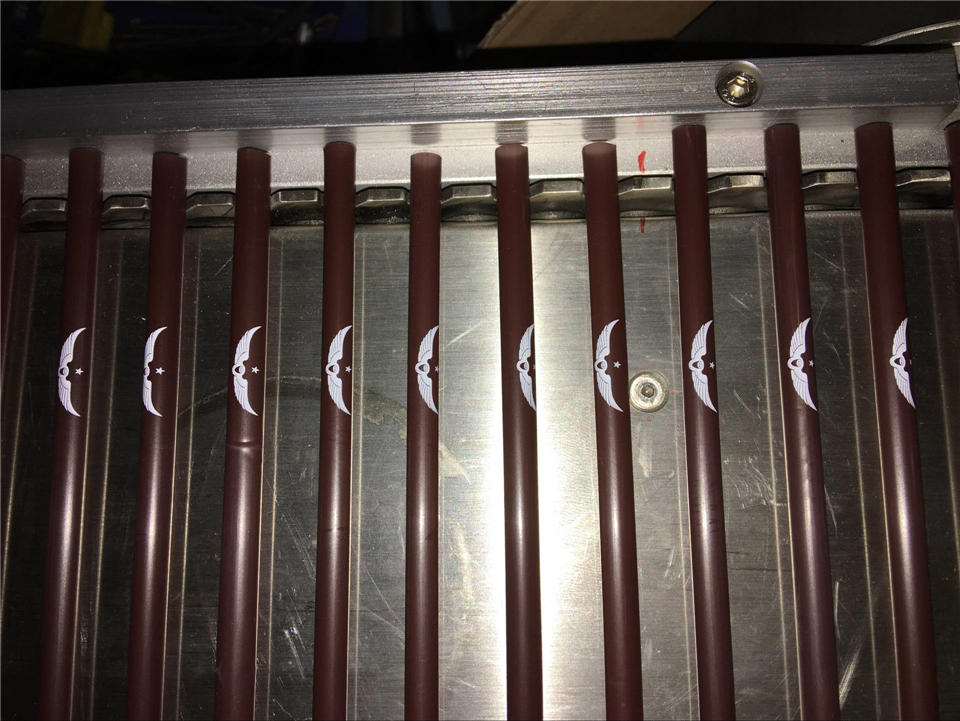
And for those who need to print on plastic PLA straws, our Automatic Plastic PLA Straw Pad Printing Machine is the perfect solution. It can handle the unique shape and material of plastic straws and provide high - quality prints.
Final Tips
- Keep your workspace clean and dust - free. Even a small amount of dust can affect the printing quality.
- Store your substrates properly. Exposure to moisture, heat, or sunlight can change the properties of the substrate and affect the printing results.
- Follow the manufacturer's instructions for all cleaning chemicals, primers, and inks. Using the wrong products or using them incorrectly can lead to poor results.
In conclusion, preparing the substrate for Tampo Printing is a multi - step process that requires attention to detail. By understanding your substrate, cleaning it properly, performing surface treatments if necessary, and testing your results, you can ensure high - quality prints.
If you're in the market for Tampo Printing equipment or have any questions about substrate preparation, don't hesitate to reach out. We're here to help you get the best results for your printing projects. Whether you're a small business just starting out or a large industrial manufacturer, we have the solutions for you. Let's start a conversation and see how we can work together to make your printing jobs a success!
References
- "Pad Printing Technology" - A comprehensive guidebook on the principles and practices of pad printing.
- Various industry research papers on substrate preparation for printing processes.