

What is the flexibility of the prints from a pad printing system?
Dec 31, 2025
Yo! As a supplier of pad printing systems, I've been asked a ton of questions about these machines. One of the most common ones is about the flexibility of the prints from a pad printing system. So, I thought I'd take a moment to break it down for you.
First off, let's talk about what pad printing is. It's a printing process that uses a silicone pad to transfer a 2D image from a cliche (a type of printing plate) onto a 3D object. This method is super versatile and can be used on all sorts of surfaces, from plastics and metals to glass and ceramics.
The Many Shapes and Sizes
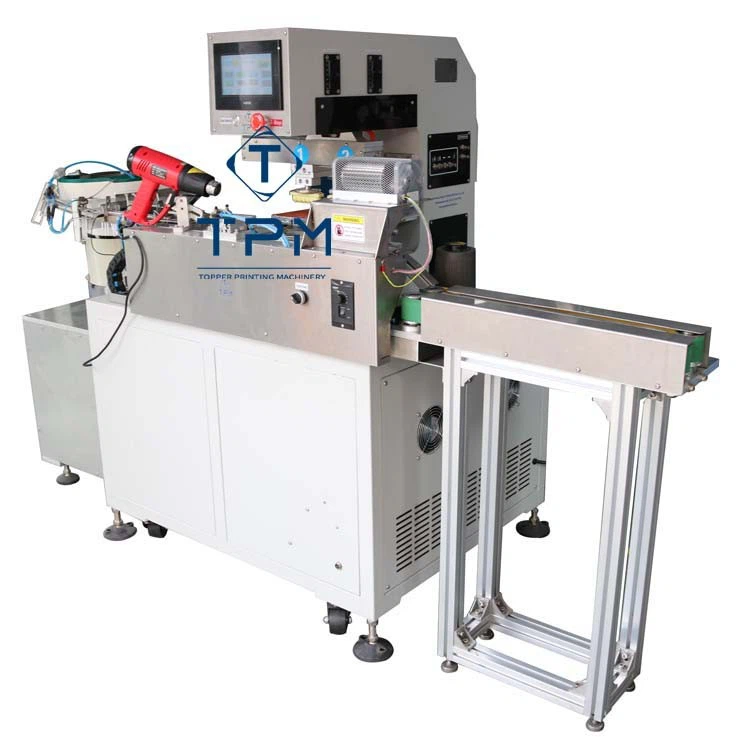
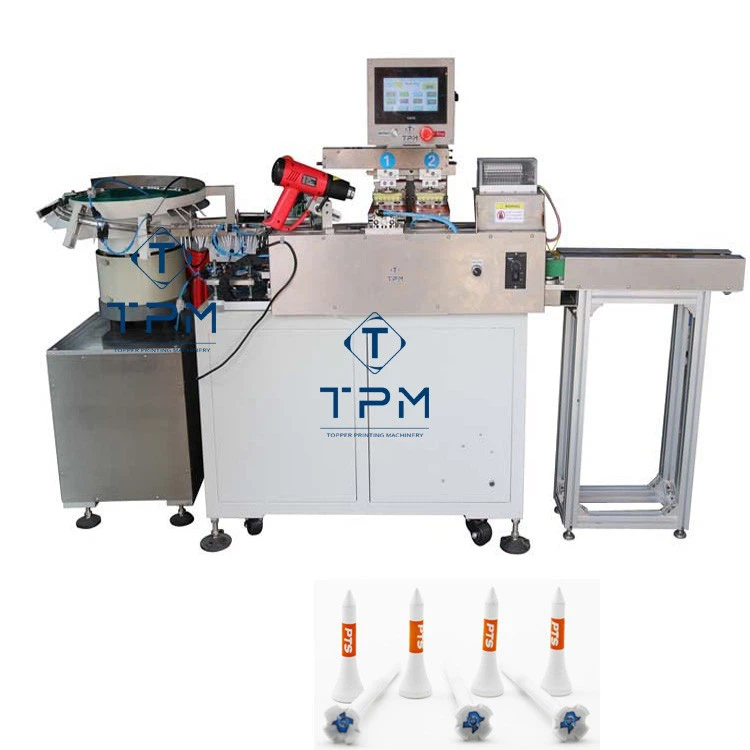
One of the biggest perks of a pad printing system is its ability to print on objects of various shapes and sizes. Whether you've got small, intricate parts or large, curved surfaces, a good pad printing system can handle it. For example, our Golf Tee Pad Printing Machine Automatic is specifically designed to print on golf tees. These tees are small and have a unique shape, but the pad printing process can easily apply clear and detailed prints on them.
Similarly, our Auto Golf Tees Shank 360 Pad Printing Machine can print all the way around the shank of the golf tee. This 360-degree printing capability shows just how flexible pad printing can be when it comes to complex shapes.
Customizable Prints
Another aspect of flexibility is the ability to customize prints. With a pad printing system, you can print any design you want, whether it's a simple logo, a detailed graphic, or a set of text. The inks used in pad printing also come in a wide range of colors, so you can match your prints to your brand's color scheme or create eye-catching multi-color designs.
The process is also quite precise. You can control the size, position, and orientation of the print on the object. This means that even if you have multiple designs or elements to print on a single object, you can ensure that everything is perfectly aligned.
Different Materials, No Problem
Pad printing systems are not picky about the materials they work with. As I mentioned earlier, they can print on plastics, metals, glass, and ceramics. This is a huge advantage for businesses that deal with different types of products. For instance, an industrial company might use Industrial Pad Printing Machines to print on metal parts for machinery. These machines are built to handle the tough conditions of an industrial environment and can produce high-quality prints on the metal surfaces.
On the other hand, a consumer goods company might use pad printing to print on plastic items like phone cases or toys. The flexibility to work with different materials allows businesses to expand their product offerings and cater to a wider range of customers.
Speed and Efficiency
In addition to the flexibility in terms of shapes, designs, and materials, pad printing systems are also quite fast. They can print multiple objects in a short period of time, which is great for large-scale production. The automated features of modern pad printing machines further enhance this efficiency. Once the machine is set up with the right cliche, pad, and ink, it can run continuously, printing one object after another without much manual intervention.
This speed and efficiency don't come at the cost of quality. Pad printing systems are designed to produce consistent and high-quality prints, even when printing at a fast pace. This makes them a reliable choice for businesses that need to meet tight production deadlines.
Adjustability for Different Production Needs
Pad printing systems are also adjustable to meet different production needs. You can adjust the pressure, speed, and other settings of the machine to optimize the printing process for different objects and designs. For example, if you're printing on a delicate material, you can reduce the pressure to avoid damaging the object. On the other hand, if you need a thicker layer of ink for a more vibrant print, you can adjust the ink application settings.
The pads used in pad printing can also be customized. Different pads have different properties, such as hardness and shape, which can affect the printing quality. You can choose the right pad for your specific printing job, ensuring that you get the best results.
When It Comes to Cost
Flexibility doesn't always have to mean high costs. Pad printing systems are actually quite cost-effective, especially for medium to large-scale production. The initial investment in the machine might seem significant, but when you consider the long-term benefits, it pays off. You can print a large number of objects with relatively low per-unit costs, thanks to the efficiency of the process.
Also, the ability to print on different materials and shapes means that you don't have to invest in multiple printing systems. One pad printing system can handle a wide range of printing jobs, reducing your overall equipment costs.
Reach Out for Your Printing Needs
If you're in the market for a pad printing system, or if you have any questions about the flexibility of pad prints, don't hesitate to reach out. We're here to help you find the right solution for your business. Whether you're a small startup looking to add some branding to your products or a large-scale manufacturer in need of high-volume printing, we've got you covered.
Drop us a line, and let's start a conversation about how our pad printing systems can take your printing to the next level.
References
- [Industry Insights on Pad Printing](Printing Industry Journal, 2023)
- [Advancements in Pad Printing Technology](Manufacturing Technology Review, 2022)