

How to optimize the ink transfer in The Pad Printers?
Jan 07, 2026
Optimizing ink transfer in pad printers is crucial for achieving high - quality printing results, especially for businesses that rely on this technology for product branding, labeling, and decoration. As a dedicated supplier of pad printers, I have spent years observing and studying the various factors that influence ink transfer efficiency. In this blog post, I will share some scientifically - backed strategies to help you optimize the ink transfer process in your pad printers.
Understanding the Basics of Ink Transfer in Pad Printers
Before delving into optimization strategies, it's important to understand how ink transfer works in pad printers. Pad printing is a process that uses a silicone pad to pick up ink from a cliche (a printing plate) and then transfer it onto a substrate. This process involves several key steps:
- Ink Application: Ink is first applied to the surface of the cliche. The ink fills the engraved areas of the cliche, which are designed to hold the desired image or text.
- Ink Pick - up: The silicone pad is then pressed onto the cliche, picking up the ink from the engraved areas.
- Ink Transfer: The pad moves to the substrate and presses against it, transferring the ink from the pad to the substrate.
The quality of ink transfer depends on various factors, including the type of ink, the properties of the pad, the condition of the cliche, and the printing settings.
Choosing the Right Ink
The type of ink you use has a significant impact on ink transfer. Different inks have different viscosities, drying times, and adhesion properties. Here are some tips for choosing the right ink:
- Viscosity: The viscosity of the ink affects its ability to fill the cliche and be picked up by the pad. Inks that are too thick may not flow properly into the cliche, while inks that are too thin may spread too much on the pad. You need to choose an ink with a viscosity that is appropriate for your specific printing application. For example, if you are printing on a smooth surface, you may need a lower - viscosity ink for better transfer.
- Drying Time: The drying time of the ink is also important. If the ink dries too quickly on the pad or the cliche, it may not transfer properly. On the other hand, if the ink dries too slowly, it may smudge or smear on the substrate. You should select an ink with a drying time that suits your production speed and the environment in which you are printing.
- Adhesion: The ink must adhere well to the substrate. Different substrates, such as plastics, metals, and ceramics, require different types of inks. For instance, if you are printing on plastic, you may need a special ink formulated for plastic substrates to ensure good adhesion.
Selecting the Appropriate Pad
The silicone pad is a critical component in the ink transfer process. Its properties, such as hardness, shape, and surface finish, can greatly affect ink transfer.
- Hardness: The hardness of the pad is typically measured on the Shore A scale. A softer pad (e.g., 20 - 30 Shore A) is more flexible and can conform better to irregular surfaces, making it suitable for printing on curved or uneven substrates. A harder pad (e.g., 40 - 60 Shore A) is more durable and can transfer ink more precisely for flat or smooth surfaces.
- Shape: The shape of the pad should match the shape of the image or the substrate. For example, if you are printing a circular logo, a circular pad may provide better ink transfer. Custom - shaped pads can be designed to fit specific printing requirements.
- Surface Finish: The surface finish of the pad can also impact ink transfer. A smooth - surfaced pad may pick up and transfer ink more evenly, while a textured pad may be used for special effects or to solve adhesion problems with certain inks.
Maintaining the Cliche
The cliche is the printing plate that holds the ink. Its condition is crucial for efficient ink transfer.
- Engraving Quality: The engraved areas on the cliche should be clean, sharp, and free of any defects. Any roughness or damage in the engraving can cause uneven ink filling and transfer. High - quality cliches are usually made using advanced engraving techniques, such as laser engraving, which can produce precise and consistent results.
- Cleaning: Regular cleaning of the cliche is essential to remove any ink residue, debris, or contaminants. A dirty cliche can prevent the ink from filling the engraved areas properly, leading to poor ink transfer. Use a suitable cleaning solution and a soft brush to clean the cliche gently.
- Alignment: Ensuring proper alignment of the cliche with the pad and the substrate is crucial. Misalignment can result in incomplete or distorted ink transfer. You should use alignment tools and calibration procedures to ensure accurate positioning of the cliche.
Optimizing Printing Settings
The printing settings, such as pressure, speed, and dwell time, play a vital role in ink transfer.
- Pressure: The pressure applied by the pad onto the cliche and the substrate needs to be adjusted appropriately. Too much pressure may cause the ink to spread or the pad to deform, while too little pressure may result in incomplete ink transfer. You should find the optimal pressure for your specific printing setup through trial and error.
- Speed: The printing speed affects the amount of time the ink has to transfer from the pad to the substrate. A slower speed may allow for more complete ink transfer, but it may also reduce productivity. You need to balance the speed with the quality of ink transfer.
- Dwell Time: Dwell time is the amount of time the pad is in contact with the substrate. A longer dwell time can improve ink transfer, especially for substrates that require more time for the ink to adhere. However, excessive dwell time can cause smudging or over - transfer of ink.
Utilizing Advanced Pad Printing Technologies
In recent years, there have been significant advances in pad printing technology that can help optimize ink transfer. For example, automatic pad printers are designed to provide more consistent and precise ink transfer compared to manual machines. They can be programmed to control the pressure, speed, and dwell time accurately, reducing the variability in the printing process.
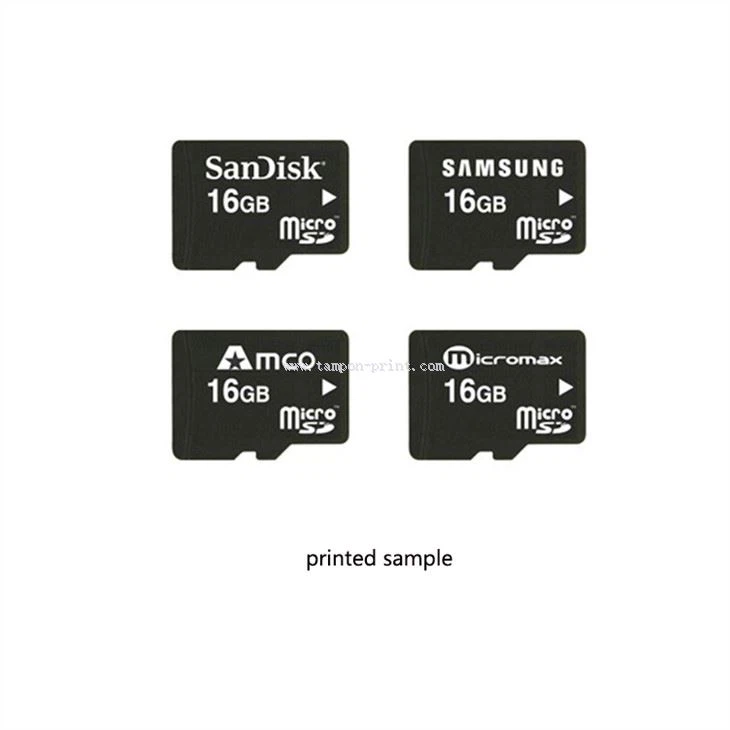
If you are looking for specific automatic pad printing machines for your business, you can explore our range of products. Check out the Automatic Plastic PLA Straw Pad Printing Machine, SD Card Tampon Printing Machine, and Lego Toys Tampography Machine. These machines are equipped with advanced features that can enhance ink transfer and improve the overall printing quality.
Training and Operator Skills
The skills and knowledge of the operators also have a significant impact on ink transfer optimization. Proper training can help operators understand the principles of pad printing, how to adjust the printing settings, and how to maintain the equipment. Operators should be trained to recognize and troubleshoot common ink transfer problems, such as ink smudging, incomplete transfer, or poor adhesion.

Conclusion
Optimizing ink transfer in pad printers requires a comprehensive approach that takes into account the type of ink, the properties of the pad, the condition of the cliche, the printing settings, and the skills of the operators. By following the strategies outlined in this blog post, you can improve the quality of your ink transfer, reduce waste, and increase the efficiency of your pad printing operations.
If you are interested in learning more about pad printers and how to optimize ink transfer in your specific application, or if you are considering purchasing new pad printing equipment, we encourage you to contact us. Our team of experts is ready to assist you in finding the best solutions for your business needs.
References
- Morris, J. (2018). Pad Printing Technology: Principles and Practices. Industrial Printing Press.
- Smith, R. (2019). Ink Formulation for Printing Applications. Printing Ink Journal.