

Can silicone pad printing be used for high - volume production?
Nov 10, 2025
Silicone pad printing is a versatile and widely used printing technique that has found its way into various industries, from consumer goods to automotive and electronics. As a silicone pad printing supplier, I often get asked whether this method is suitable for high-volume production. In this blog post, I'll explore the capabilities and limitations of silicone pad printing in the context of large-scale manufacturing, highlighting its advantages and potential challenges.
Understanding Silicone Pad Printing
Before delving into high-volume production, it's essential to understand how silicone pad printing works. This process involves transferring an image from a printing plate to a silicone pad, which then transfers the ink onto the substrate. The silicone pad conforms to the shape of the substrate, allowing for printing on irregular or curved surfaces. This flexibility makes it a popular choice for a wide range of products, including promotional items, medical devices, and electronic components.
Advantages of Silicone Pad Printing for High-Volume Production
- Versatility
Silicone pad printing can be used on a variety of materials, including plastics, metals, glass, ceramics, and rubber. This versatility makes it suitable for high-volume production across different industries. Whether you're printing logos on plastic toys, serial numbers on metal parts, or decorative patterns on glassware, silicone pad printing can handle the job. - Precision and Detail
One of the key strengths of silicone pad printing is its ability to reproduce fine details and sharp images. The silicone pad can pick up and transfer even the most intricate designs with high accuracy, ensuring consistent quality across a large number of prints. This precision is crucial for high-volume production, where maintaining a uniform appearance is essential. - Speed and Efficiency
Modern pad printing machines are designed for high-speed operation, allowing for rapid production rates. With the right equipment and setup, it's possible to achieve high volumes of prints in a relatively short period. Additionally, the process is highly automated, reducing the need for manual labor and minimizing the risk of human error. - Cost-Effectiveness
For high-volume production, cost is always a significant consideration. Silicone pad printing offers a cost-effective solution compared to other printing methods, especially when it comes to printing on small or irregularly shaped objects. The initial setup costs for pad printing are relatively low, and the cost per print decreases as the volume increases.
Equipment for High-Volume Silicone Pad Printing
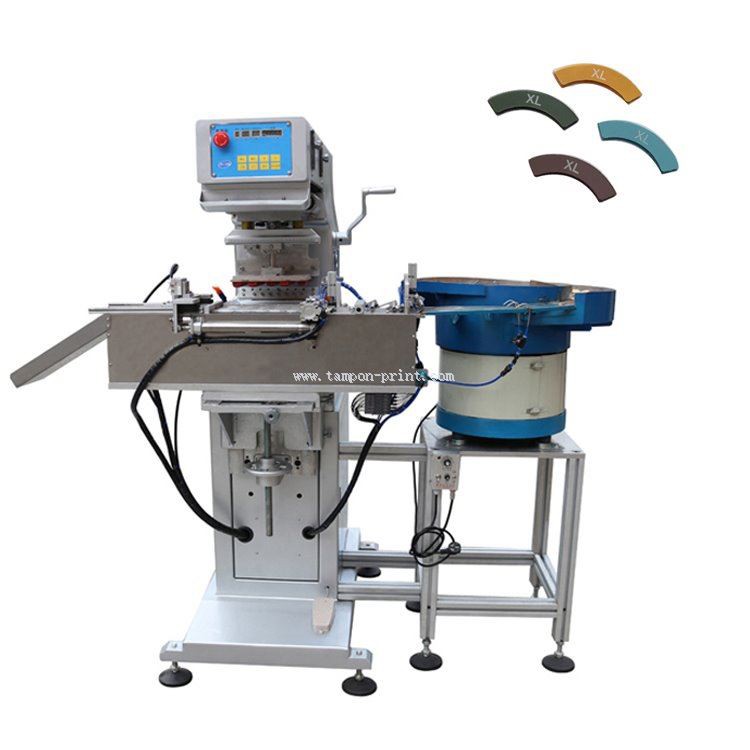
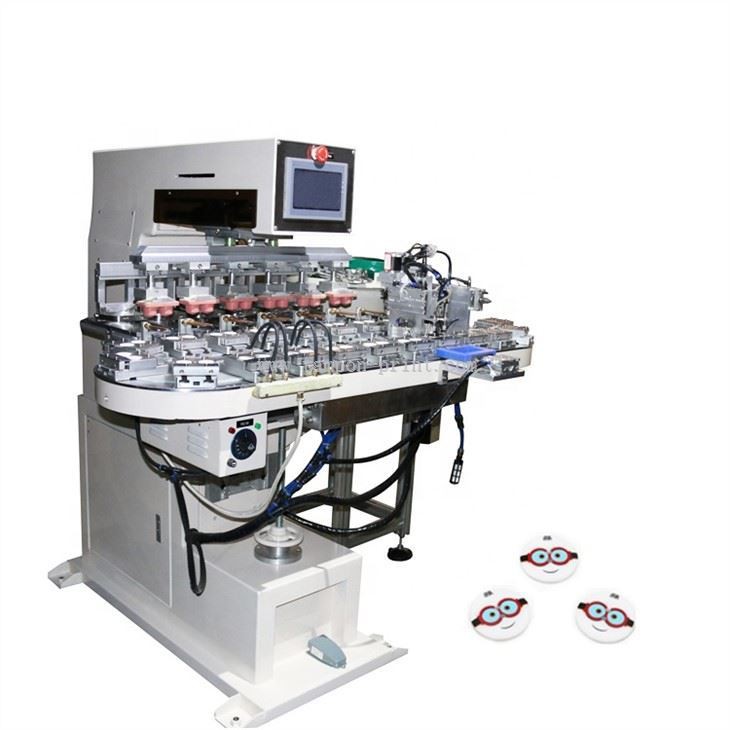
To achieve high-volume production with silicone pad printing, it's essential to invest in the right equipment. Here are some of the key machines and components used in high-volume pad printing operations:
- Tampo Pad Printing Machine: These machines are designed for high-speed and precision printing. They come in various configurations, including single-color and multi-color models, and can be customized to meet specific production requirements.
- Tampoprint Pad Printing Machine: Tampoprint is a well-known brand in the pad printing industry, offering high-quality machines that are reliable and efficient. Their machines are suitable for a wide range of applications and can handle high-volume production with ease.
- Automatic Buttons Ink Cups Pad Printing Machine: This type of machine is specifically designed for printing on buttons and other small objects. It features automatic ink cup systems that ensure consistent ink supply and high-quality prints.
Challenges and Considerations
While silicone pad printing offers many advantages for high-volume production, there are also some challenges and considerations to keep in mind:
- Ink and Substrate Compatibility
The choice of ink and substrate is crucial for achieving high-quality prints. Not all inks are compatible with all materials, and improper ink selection can lead to adhesion problems, color fading, or other issues. It's important to conduct thorough testing to ensure that the ink and substrate are compatible before starting high-volume production. - Maintenance and Setup
Pad printing machines require regular maintenance to ensure optimal performance. This includes cleaning the printing plates, pads, and ink cups, as well as adjusting the machine settings for different jobs. Additionally, setting up the machine for a new job can be time-consuming, especially for complex designs or multi-color prints. - Environmental Factors
Pad printing involves the use of inks and solvents, which can have environmental implications. It's important to follow proper safety and environmental regulations when handling these chemicals. Additionally, factors such as temperature and humidity can affect the printing process, so it's important to maintain a stable environment in the production area.
Case Studies: High-Volume Silicone Pad Printing in Action
To illustrate the effectiveness of silicone pad printing for high-volume production, let's look at a few real-world examples:
- Consumer Electronics: A leading electronics manufacturer uses silicone pad printing to print logos and serial numbers on millions of mobile phone cases each year. The high-speed pad printing machines ensure rapid production rates, while the precision of the process ensures consistent quality across all products.
- Automotive Industry: An automotive parts supplier uses silicone pad printing to print labels and markings on various components, such as dashboard switches and control panels. The ability to print on different materials and shapes makes pad printing an ideal solution for this application, and the high-volume production capabilities meet the demands of the automotive industry.
- Medical Devices: A medical device manufacturer uses silicone pad printing to print important information, such as dosage instructions and expiration dates, on medical syringes and other disposable devices. The precision and reliability of the pad printing process ensure that the information is clear and legible, which is crucial for patient safety.
Conclusion
In conclusion, silicone pad printing is a viable option for high-volume production in many industries. Its versatility, precision, speed, and cost-effectiveness make it an attractive choice for manufacturers looking to produce large quantities of printed products. However, it's important to carefully consider the specific requirements of your project, including ink and substrate compatibility, equipment selection, and maintenance, to ensure successful high-volume production.
If you're interested in exploring silicone pad printing for your high-volume production needs, I encourage you to contact us for a consultation. Our team of experts can help you determine the best solution for your specific requirements and provide you with the necessary equipment and support to achieve your production goals.
References
- “Pad Printing Technology Handbook,” Pad Printing Association International.
- “Silicone Pad Printing: Principles and Applications,” Journal of Printing Science and Technology.