

What types of materials can The Pad Printers print on?
Dec 23, 2025
So, you're probably wondering what types of materials The Pad Printers can print on. Well, let me tell you, it's a pretty wide range! As a supplier of The Pad Printers, I've seen firsthand the versatility of these amazing machines.
Plastics
Plastics are one of the most common materials that pad printers are used on. This includes everything from rigid plastic parts like smartphone cases to flexible plastic materials such as silicone wristbands. The reason pad printing works so well on plastics is that the pad can conform to the shape of the surface, whether it's flat or curved.
For example, many consumer electronics manufacturers use pad printing to print logos, buttons labels, and other information on plastic components. The ink adheres well to the plastic surface, providing a long - lasting and clear print. And with the right type of ink, you can achieve a high - quality finish that resists scratching and fading.
Metals
Metals are another great material for pad printing. Aluminum, stainless steel, and brass are just a few examples of metals that can be printed on using pad printers. Metal parts are often used in industrial applications, automotive manufacturing, and jewelry making.
In the automotive industry, pad printing is used to mark engine parts, dashboard controls, and other metal components with important information like part numbers and serial numbers. The ink used for metal printing is specially formulated to be durable and resistant to heat, chemicals, and abrasion. This ensures that the print remains legible even under harsh conditions.
Glass
Glass is a bit more challenging than plastics and metals, but pad printing can still be done effectively. You'll often see pad - printed glass in the beverage industry, where logos and labels are printed on bottles and glasses. The key to successful glass printing is using the right type of ink and a proper curing process.
The ink needs to adhere well to the smooth glass surface and be resistant to washing and scratching. After printing, the glass is usually heated to cure the ink, which helps to ensure a strong bond between the ink and the glass.
Ceramics
Ceramics, including tiles, mugs, and decorative items, are also suitable for pad printing. The process is similar to glass printing in that a special ink is required, and a curing step is often necessary.
For ceramic tiles used in home decoration, pad printing can be used to create beautiful patterns and designs. In the case of mugs, you can print custom logos, images, or text, which makes them great for promotional items or personalized gifts.
Rubber and Elastomers
Rubber and elastomeric materials, such as rubber seals, gaskets, and rubber tires, can also be pad - printed. These materials are flexible, which means the pad printer's pad can easily adapt to their shape.
The ink used on rubber should be flexible enough to stretch and flex with the material without cracking or flaking. This is especially important for rubber parts that are subject to movement and deformation during use.
Paper and Cardboard
Although pad printing isn't as commonly used on paper and cardboard as some other printing methods, it still has its place. You can use pad printing to add special details, such as gold or silver accents, to business cards, greeting cards, and packaging materials.
The advantage of pad printing on paper and cardboard is that it can provide a high - quality, precise print. And with the right ink, you can achieve a glossy or matte finish that gives the printed material a professional look.
Wood
Wood is a natural material that can also be printed on using pad printers. From wooden toys to furniture components, pad printing can add a unique touch to wooden products.
When printing on wood, it's important to consider the porosity of the wood surface. Some woods are more porous than others, which can affect how the ink adheres. A primer may be required in some cases to ensure a better print quality.
Specialty Materials
There are also many specialty materials that can be pad - printed. For instance, in the medical industry, pad printing is used to print on medical devices made of materials like polycarbonate and acrylic. These prints need to be clear, durable, and often comply with strict regulatory requirements.
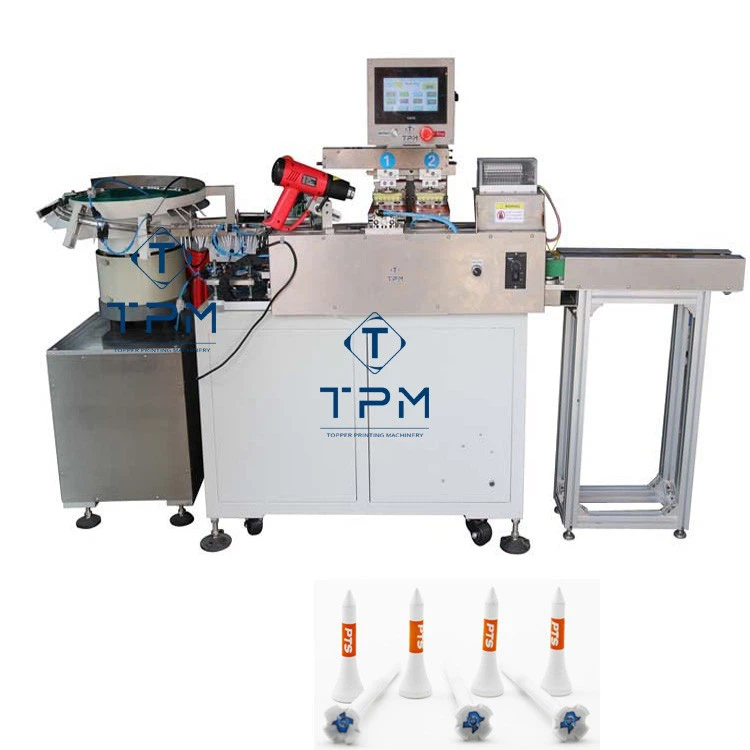
In the sports industry, Automated Tampo Printing For Size Clips can be used to print on various sports equipment, such as golf tees. The Golf Tee Pad Printing Machine Automatic is designed to efficiently print logos and branding on golf tees, providing a professional and consistent look.
Conclusion
As you can see, The Pad Printers are incredibly versatile and can print on a wide variety of materials. Whether you're in the consumer goods industry, automotive, medical, or any other field, there's a good chance that pad printing can meet your printing needs.
If you're interested in learning more about how pad printing can work for your specific application or if you're thinking about purchasing a pad printer, I'd love to have a chat with you. We can discuss your requirements, the best type of ink and machine for your materials, and how to get the most out of your pad - printing investment. Don't hesitate to reach out and start the conversation about your next printing project!

References
- General knowledge about pad printing technology and materials.
- Industry experience in supplying pad printers and related products.