

What is the thickness of the ink layer in pad printing on metal?
Nov 03, 2025
Hey there! As a supplier specializing in pad printing on metal, I often get asked about the thickness of the ink layer in this process. It's a crucial factor that can significantly impact the quality and durability of the printed design. So, let's dive right in and explore this topic in detail.
Understanding Pad Printing on Metal
First off, let me briefly explain what pad printing on metal is. Pad printing is a printing process that uses a silicone pad to transfer an image from a printing plate onto a substrate, in this case, metal. It's a versatile method that can be used to print on various metal surfaces, including aluminum, stainless steel, and brass.
The process involves several steps. First, the printing plate is etched with the desired image. Then, ink is applied to the plate, filling the etched areas. The silicone pad is then pressed onto the plate, picking up the ink. Finally, the pad is pressed onto the metal surface, transferring the ink and creating the printed image.
Importance of Ink Layer Thickness
The thickness of the ink layer in pad printing on metal is important for several reasons. Firstly, it affects the visual appearance of the printed design. A thicker ink layer can result in a more vibrant and opaque print, while a thinner layer may appear more translucent. The right thickness can enhance the sharpness and clarity of the image, making it more visually appealing.
Secondly, the ink layer thickness impacts the durability of the print. A thicker layer can provide better resistance to wear and tear, such as scratching and abrasion. This is especially important for metal products that are likely to be handled frequently or exposed to harsh environments.
On the other hand, if the ink layer is too thick, it can lead to issues such as cracking, peeling, or uneven drying. This can compromise the quality of the print and reduce its lifespan. So, finding the optimal ink layer thickness is crucial for achieving the best results.
Factors Affecting Ink Layer Thickness
Several factors can influence the thickness of the ink layer in pad printing on metal. Let's take a look at some of the key ones:
1. Ink Viscosity
The viscosity of the ink plays a significant role in determining the ink layer thickness. Viscosity refers to the thickness or resistance to flow of the ink. Thicker, more viscous inks tend to deposit a thicker layer on the substrate, while thinner, less viscous inks result in a thinner layer.
When selecting an ink for pad printing on metal, it's important to choose one with the appropriate viscosity for the desired ink layer thickness. The viscosity can be adjusted by adding solvents or thinners to the ink, but this should be done carefully to avoid affecting the ink's performance.

2. Pad Hardness and Shape
The hardness and shape of the silicone pad also affect the ink layer thickness. A softer pad can pick up more ink from the printing plate and transfer a thicker layer onto the metal surface. Conversely, a harder pad may pick up less ink and result in a thinner layer.
The shape of the pad can also impact the ink transfer. Pads with a more rounded or domed shape tend to transfer ink more evenly, while flat pads may deposit a thicker layer in the center and a thinner layer at the edges.
3. Printing Pressure
The amount of pressure applied during the printing process can influence the ink layer thickness. Higher printing pressures can force more ink onto the metal surface, resulting in a thicker layer. However, excessive pressure can also cause the ink to spread or smear, leading to a poor-quality print.
It's important to find the right balance of printing pressure to achieve the desired ink layer thickness without compromising the print quality. This may require some experimentation and adjustment based on the specific ink, pad, and metal substrate being used.
4. Printing Plate Etching Depth
The depth of the etching on the printing plate affects the amount of ink that can be held in the etched areas. A deeper etching can hold more ink, which can result in a thicker ink layer on the metal surface. However, if the etching is too deep, it can cause the ink to pool or overflow, leading to uneven printing.
The etching depth should be carefully controlled to ensure that it is appropriate for the ink and the desired ink layer thickness. This may involve working closely with a professional printing plate manufacturer to achieve the best results.
Measuring Ink Layer Thickness
Measuring the ink layer thickness in pad printing on metal can be challenging, but there are several methods available. One common method is to use a coating thickness gauge, which can measure the thickness of the ink layer on the metal surface. These gauges work by using magnetic or eddy current principles to detect the thickness of the coating.
Another method is to use a microscope or a profilometer to examine the cross-section of the printed area. This can provide a more detailed view of the ink layer thickness and can help identify any issues such as unevenness or cracking.
Optimal Ink Layer Thickness for Pad Printing on Metal
The optimal ink layer thickness for pad printing on metal can vary depending on several factors, such as the type of ink, the metal substrate, and the desired application. In general, a thickness of around 5 to 15 microns is considered suitable for most applications.
For applications where a more vibrant and opaque print is required, a thicker ink layer of around 10 to 15 microns may be preferred. This can provide better coverage and durability, especially for products that are likely to be exposed to wear and tear.
On the other hand, for applications where a more subtle or translucent print is desired, a thinner ink layer of around 5 to 10 microns may be more appropriate. This can create a more delicate and refined look, while still providing sufficient durability.
Our Solutions for Pad Printing on Metal
As a supplier of pad printing on metal, we offer a range of solutions to help you achieve the best results. We have a wide selection of high-quality inks that are specifically formulated for use on metal surfaces. These inks are available in a variety of colors and viscosities, allowing you to choose the one that is best suited for your application.
We also offer a range of silicone pads in different hardnesses and shapes to ensure optimal ink transfer. Our pads are made from high-quality materials that are resistant to wear and tear, ensuring long-lasting performance.
In addition, we provide state-of-the-art pad printing machines that are designed to deliver precise and consistent results. Our machines are equipped with advanced features such as adjustable printing pressure, speed control, and automatic ink supply systems, making them easy to operate and maintain.
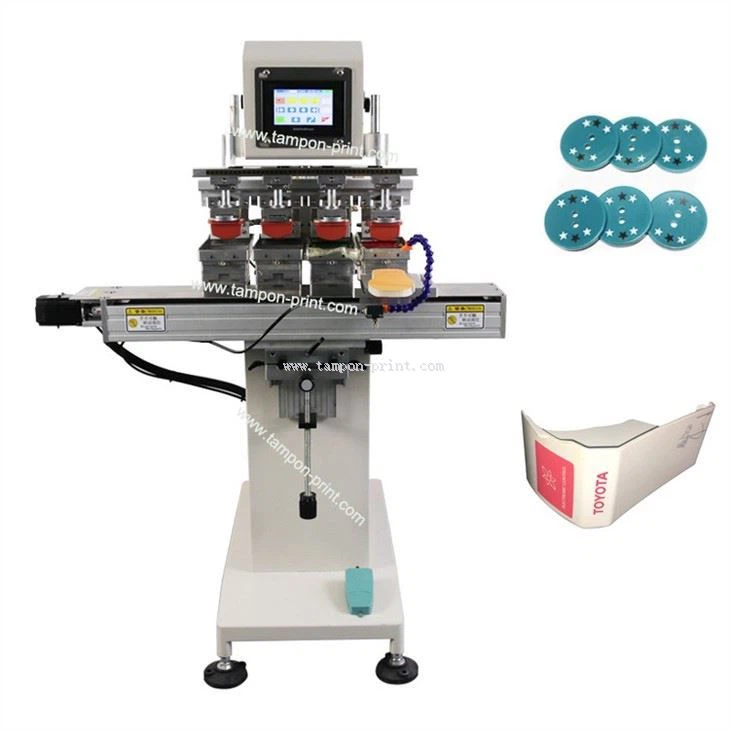
Some of our popular machines include the Hockey Puck Pad Printer Machine, the Servo Motor Electric Pad Printer, and the Insole 4-Color Tampon Print Machine. These machines are suitable for a wide range of applications and can help you achieve the desired ink layer thickness and print quality.
Contact Us for Your Pad Printing Needs
If you're looking for a reliable supplier of pad printing on metal, look no further. We have the expertise, experience, and products to help you achieve the best results. Whether you're printing on small metal parts or large metal sheets, we can provide the solutions you need.
Contact us today to discuss your pad printing requirements and to learn more about our products and services. We'll be happy to answer any questions you may have and to provide you with a free quote. Let's work together to create high-quality, durable prints on your metal products.
References
- "Pad Printing Technology" by Tom Johnson
- "Ink Formulation for Metal Printing" by Jane Smith
- "Silicone Pad Selection Guide" by John Doe