

What is the noise level of hot stamping equipment?
Jan 14, 2026
When it comes to hot stamping equipment, one often-overlooked aspect is the noise level it produces. Noise can significantly affect the working environment, employee comfort, and overall productivity. As a leading hot stamping equipment supplier, we understand the importance of addressing this concern. In this blog post, we will delve into the noise level of hot stamping equipment, what factors influence it, and how you can manage it effectively.
Understanding the Noise Generated by Hot Stamping Equipment
Hot stamping equipment is designed to transfer foil or other decorative materials onto various substrates using heat and pressure. The process involves several mechanical and electrical components that can generate noise. These include motors, pneumatic cylinders, and the impact of the stamping die on the substrate.
The noise level of hot stamping equipment is typically measured in decibels (dB). A decibel is a logarithmic unit that expresses the ratio of two sound pressures. In general, the higher the decibel level, the louder the noise. The acceptable noise level in a workplace environment depends on various factors, including the duration of exposure and the type of work being performed. The Occupational Safety and Health Administration (OSHA) in the United States recommends that the maximum allowable noise level for an 8-hour workday is 90 dB.
Factors Influencing the Noise Level
Several factors can influence the noise level of hot stamping equipment. Understanding these factors can help you optimize your equipment and reduce noise pollution in your workplace.
1. Equipment Design
The design of the hot stamping equipment plays a crucial role in determining its noise level. Modern hot stamping machines are often designed with noise reduction in mind. For example, some machines feature sound-dampening materials in their construction, which can absorb and reduce the noise generated by moving parts. Additionally, the layout of the components within the machine can affect the noise level. A well-organized design can minimize the impact of vibrations and reduce noise transmission.
2. Operating Speed
The operating speed of the hot stamping equipment is another significant factor. Generally, the faster the machine operates, the louder the noise it produces. This is because higher speeds result in more rapid movements of the mechanical components, which can generate more vibrations and noise. If noise is a concern in your workplace, you may consider adjusting the operating speed of the machine to a lower setting.
3. Maintenance and Wear
The condition of the hot stamping equipment also affects its noise level. Regular maintenance is essential to ensure that all components are in good working condition. Worn-out parts, such as bearings or belts, can generate excessive noise due to increased friction and vibrations. By performing routine maintenance tasks, such as lubrication and part replacement, you can keep the noise level of your equipment under control.
4. Type of Substrate and Foil
The type of substrate and foil used in the hot stamping process can also influence the noise level. Some substrates, such as thick plastics or cardboard, may require more force to stamp, which can result in louder noise. Similarly, certain types of foil may create more resistance during the stamping process, leading to increased noise. Experimenting with different substrates and foils can help you find combinations that produce less noise.
Measuring the Noise Level of Hot Stamping Equipment
If you want to determine the exact noise level of your hot stamping equipment, you can use a sound level meter. A sound level meter is a device that measures the sound pressure level in decibels. To measure the noise level of your machine, follow these steps:
- Place the sound level meter at a distance of about 1 meter from the machine.
- Turn on the hot stamping equipment and let it run at its normal operating speed.
- Record the sound level reading on the meter. Repeat the measurement several times at different locations around the machine to get an accurate average.
It's important to note that the noise level can vary depending on the position of the meter and the operating conditions of the machine. Therefore, it's advisable to take multiple measurements and calculate the average noise level.
Managing the Noise Level
If you find that the noise level of your hot stamping equipment is too high, there are several steps you can take to manage it.
1. Use Noise-Reducing Enclosures
One effective way to reduce the noise level is to use noise-reducing enclosures. These enclosures are designed to surround the hot stamping equipment and absorb the noise generated by the machine. They are typically made of sound-dampening materials, such as fiberglass or acoustic foam. By installing a noise-reducing enclosure, you can significantly reduce the noise level in your workplace.
2. Isolate the Equipment
Another method is to isolate the hot stamping equipment from the surrounding environment. This can be done by placing the machine on a vibration isolator or using rubber pads to absorb the vibrations. Isolating the equipment can prevent the noise from spreading to other areas of the workplace.
3. Provide Personal Protective Equipment (PPE)
If the noise level cannot be reduced to an acceptable level, it's important to provide personal protective equipment (PPE) to your employees. This may include earplugs or earmuffs, which can help reduce the amount of noise reaching the ears. Make sure that your employees are trained on how to use the PPE correctly and are encouraged to wear it at all times when working near the hot stamping equipment.
Our Hot Stamping Equipment and Noise Level
As a hot stamping equipment supplier, we are committed to providing our customers with high-quality machines that are designed to minimize noise pollution. Our Gold Foil Embossing Machine, Hot Foil Stamping Machine For Plastic Cup, and Hot Foil Stamping Machine for Plastic are all engineered with advanced noise reduction technologies.
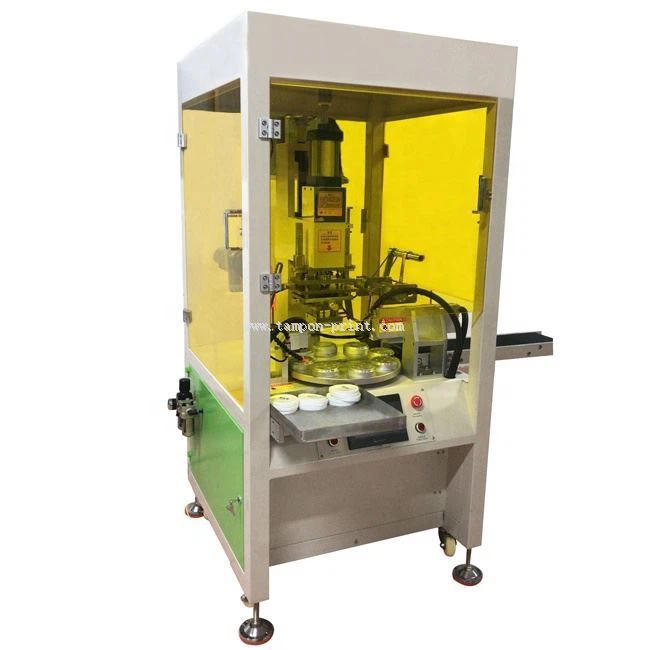

Our machines feature sound-dampening enclosures and precision-engineered components that minimize vibrations and noise. We also offer a range of options for customizing the equipment to meet your specific noise requirements. Whether you need a machine for a small workshop or a large production facility, we have the solution for you.
Conclusion
The noise level of hot stamping equipment is an important consideration that can have a significant impact on the working environment and employee health. By understanding the factors that influence the noise level and taking appropriate measures to manage it, you can create a safer and more comfortable workplace. As a hot stamping equipment supplier, we are here to help you choose the right equipment and provide you with the support you need to ensure optimal performance and noise reduction.
If you are interested in learning more about our hot stamping equipment or have any questions about noise level management, please don't hesitate to contact us. We are ready to assist you in selecting the best solution for your business needs.
References
- Occupational Safety and Health Administration (OSHA). Occupational Noise Exposure. Washington, D.C.: U.S. Department of Labor, OSHA.
- American National Standards Institute (ANSI). S1.4-1983 (R2010). Specifications for Sound Level Meters. New York: ANSI.