

What is the ink drying method of a Tampography Machine?
Nov 04, 2025
Tampography, also known as pad printing, is a versatile printing process widely used in various industries for transferring images onto irregular surfaces. As a leading supplier of Tampography Machines, I often encounter questions about the ink drying methods employed in these machines. In this blog post, I will delve into the different ink drying methods used in Tampography Machines, their advantages, and considerations for choosing the most suitable one.
Air Drying
Air drying is one of the simplest and most commonly used ink drying methods in Tampography Machines. In this method, the printed object is left exposed to the air, allowing the ink to dry naturally. The process relies on the evaporation of the solvents in the ink, which gradually leaves behind the pigment on the surface of the object.
One of the main advantages of air drying is its simplicity. It does not require any additional equipment or energy input, making it a cost - effective option for small - scale operations or when printing on heat - sensitive materials. Additionally, air - dried inks often have a more natural finish, which can be desirable for certain applications.
However, air drying also has its limitations. The drying time can be relatively long, especially in humid conditions, which can slow down the evaporation process. This can lead to a bottleneck in the production line, as the printed objects need to wait for the ink to dry before they can be further processed or packaged. Moreover, there is a risk of dust or other contaminants settling on the wet ink during the drying process, which can affect the quality of the print.
Heat Drying
Heat drying is another popular method for drying ink in Tampography Machines. This method involves applying heat to the printed object to accelerate the evaporation of the solvents in the ink. There are several ways to apply heat, including using infrared heaters, hot air blowers, or ovens.
Infrared heaters emit infrared radiation, which is absorbed by the ink and the object's surface. This causes the molecules in the ink to vibrate, generating heat and speeding up the drying process. Infrared drying is relatively fast and can be precisely controlled, allowing for efficient drying without overheating the object.
Hot air blowers work by blowing hot air over the printed surface. This method is suitable for drying large - area prints or objects with complex shapes. The hot air helps to evaporate the solvents in the ink quickly, but it may require a longer exposure time compared to infrared drying.
Ovens are used for more controlled and uniform heat drying. The printed objects are placed inside an oven, where the temperature and humidity can be regulated. Ovens are particularly useful for drying heat - resistant materials and for achieving a high - quality, consistent finish.
The main advantage of heat drying is its speed. It can significantly reduce the drying time compared to air drying, increasing the production efficiency. Heat drying also helps to ensure a more thorough drying of the ink, which can improve the adhesion and durability of the print.
However, heat drying is not suitable for all materials. Some heat - sensitive materials, such as plastics or certain types of paper, may deform or melt when exposed to high temperatures. Additionally, heat drying requires additional equipment and energy, which can increase the operating costs.
UV Curing
UV curing is a modern and efficient ink drying method used in Tampography Machines. This method uses ultraviolet (UV) light to cure the ink, which means that the ink undergoes a chemical reaction when exposed to UV light and solidifies almost instantly.
UV - curable inks contain photoinitiators, which are substances that absorb UV light and initiate a polymerization reaction. When the ink is exposed to UV light, the photoinitiators break down into free radicals, which then react with the monomers and oligomers in the ink, forming a solid polymer network.
One of the key advantages of UV curing is its extremely fast drying time. The ink can dry within seconds, allowing for a high - speed production line. UV - cured inks also have excellent adhesion, scratch resistance, and chemical resistance, making them suitable for a wide range of applications, including printing on electronic devices, automotive parts, and medical equipment.
Another advantage of UV curing is that it is an environmentally friendly option. UV - curable inks do not contain volatile organic compounds (VOCs), which are harmful to the environment and human health. This makes UV curing a more sustainable choice compared to traditional solvent - based inks.
However, UV curing also has some limitations. The equipment required for UV curing, such as UV lamps and curing chambers, can be expensive to purchase and maintain. Additionally, UV light can be harmful to human eyes and skin, so proper safety measures need to be taken when using UV - curing systems.
Considerations for Choosing an Ink Drying Method
When choosing an ink drying method for a Tampography Machine, several factors need to be considered:
- Material Compatibility: Different materials have different heat and chemical sensitivities. For heat - sensitive materials, air drying or UV curing may be more suitable, while heat - resistant materials can tolerate heat drying methods.
- Production Volume: If the production volume is high, a fast - drying method such as heat drying or UV curing may be necessary to keep up with the demand. For low - volume production, air drying may be a more cost - effective option.
- Print Quality Requirements: The desired print quality, including adhesion, scratch resistance, and finish, can influence the choice of drying method. UV - cured inks generally offer better print quality in terms of durability and appearance.
- Cost: The cost of equipment, energy, and ink needs to be considered. Air drying has the lowest cost, while UV curing and heat drying require additional investment in equipment and energy.
Our Tampography Machines and Ink Drying Solutions
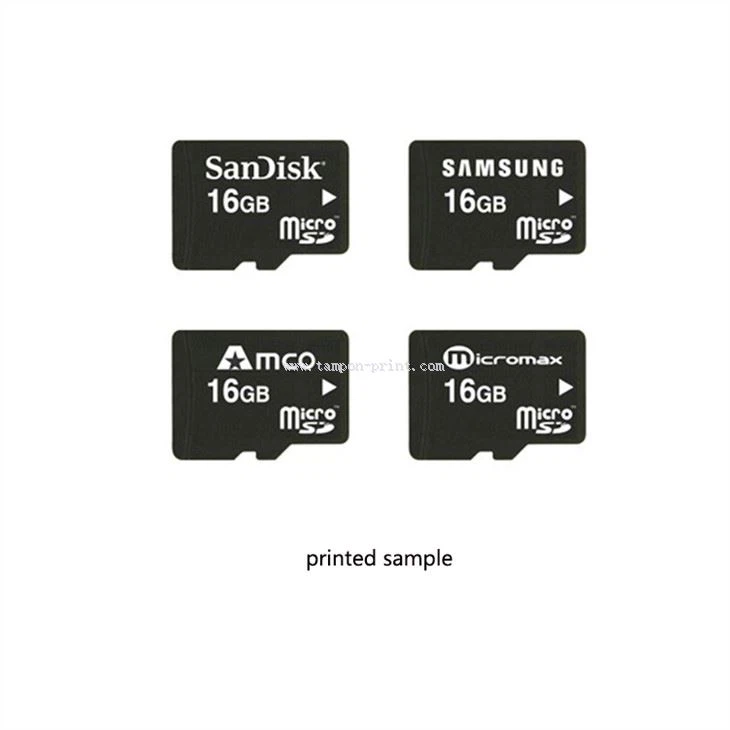
As a supplier of Tampography Machines, we offer a range of machines equipped with different ink drying methods to meet the diverse needs of our customers. Our SD Card Tampon Printing Machine is designed for high - precision printing on SD cards and other small electronic components. It can be configured with air drying, heat drying, or UV curing options, depending on the customer's requirements.
Our Automatic Rotary Pad Printing Equipment is suitable for large - scale production. It features advanced heat drying or UV curing systems to ensure fast and efficient drying of the ink, increasing the production speed and quality.

For those in the sports industry, our Golf Tee Pad Printing Machine Automatic is a great choice. It can print high - quality images on golf tees and can be equipped with the appropriate ink drying method to meet the specific needs of the application.
If you are looking for a reliable Tampography Machine with the right ink drying solution for your business, we are here to help. Our team of experts can provide you with professional advice and customized solutions based on your requirements. Whether you are a small - scale manufacturer or a large - scale production facility, we have the products and expertise to meet your needs.
Contact us today to discuss your pad printing requirements and explore how our Tampography Machines can enhance your production process. We look forward to working with you and helping you achieve the best results in your printing operations.
References
- "Pad Printing Technology Handbook" by Pad Printing Magazine
- "Ink Drying and Curing Processes" by the Society of Industrial Printing and Graphics
- "UV Curing: Science and Technology" by C. Lowe and S. P. Pappas