

How to ensure accurate ink mixing for tampo pad printing?
Oct 29, 2025
Accurate ink mixing is a critical aspect of tampo pad printing, directly influencing the quality and consistency of the final printed products. As a seasoned tampo pad printing supplier, I've witnessed firsthand the impact of precise ink mixing on the overall printing process. In this blog, I'll share some valuable insights and practical tips on how to ensure accurate ink mixing for tampo pad printing.
Understanding the Basics of Ink Mixing
Before delving into the techniques of accurate ink mixing, it's essential to understand the basic components of ink and how they interact. Tampo pad printing inks typically consist of pigments, binders, solvents, and additives. Pigments are responsible for providing color, while binders hold the pigments together and adhere them to the substrate. Solvents control the viscosity and drying time of the ink, and additives can enhance various properties such as adhesion, flexibility, and durability.
The key to accurate ink mixing lies in achieving the right balance of these components. This requires a thorough understanding of the specific requirements of your printing project, including the substrate material, the desired color, and the printing conditions.
Selecting the Right Inks
The first step in ensuring accurate ink mixing is to select the right inks for your project. Different substrates require different types of inks to ensure proper adhesion and durability. For example, inks designed for printing on plastics may not adhere well to metal or glass substrates. It's important to consult with your ink supplier to determine the most suitable inks for your specific application.
In addition to substrate compatibility, you also need to consider the color requirements of your project. Most ink suppliers offer a wide range of standard colors, but you may also need to mix custom colors to achieve the desired shade. When selecting inks for color mixing, it's important to choose inks from the same manufacturer and series to ensure compatibility and consistency.
Using a Color Matching System
To achieve accurate color mixing, it's recommended to use a color matching system. A color matching system typically consists of a set of color swatches and a formula guide that provides instructions on how to mix the inks to achieve the desired colors. There are several color matching systems available on the market, such as Pantone, RAL, and Toyo, each with its own set of color standards and mixing formulas.
When using a color matching system, it's important to follow the instructions carefully and use the recommended inks and ratios. It's also a good idea to test the mixed ink on a sample substrate before printing on the actual product to ensure that the color matches the desired shade.
Measuring and Mixing the Inks
Once you've selected the right inks and determined the color formula, the next step is to measure and mix the inks accurately. This requires the use of precise measuring tools, such as graduated cylinders, pipettes, and scales, to ensure that the correct amounts of each ink are used.
When measuring the inks, it's important to use the same units of measurement throughout the mixing process. For example, if you're using milliliters to measure the inks, make sure to use milliliters for all the inks and additives. It's also a good idea to measure the inks in a clean and dry container to avoid contamination.

After measuring the inks, you can start mixing them together. It's recommended to use a mechanical mixer, such as a paint shaker or a stirrer, to ensure thorough mixing. The mixing time may vary depending on the type and quantity of inks being mixed, but it's generally recommended to mix the inks for at least 10-15 minutes to ensure a homogeneous mixture.
Testing and Adjusting the Ink
Once you've mixed the inks, it's important to test the ink on a sample substrate to ensure that the color and consistency are correct. You can use a test print or a sample pad to apply the ink to the substrate and check the results. If the color is too light or too dark, you may need to adjust the ink formula by adding more or less of the appropriate inks.
In addition to color, you also need to check the consistency of the ink. The ink should have the right viscosity and flow properties to ensure proper transfer from the pad to the substrate. If the ink is too thick, it may not transfer properly, while if it's too thin, it may run or bleed. You can adjust the viscosity of the ink by adding solvents or thinners as needed.
Maintaining the Ink Mix
Once you've achieved the desired ink mix, it's important to maintain the ink mix to ensure consistency throughout the printing process. This requires proper storage and handling of the ink. The ink should be stored in a cool, dry place away from direct sunlight and heat. It's also important to keep the ink container tightly sealed to prevent evaporation and contamination.
During the printing process, it's recommended to stir the ink regularly to prevent settling and ensure a homogeneous mixture. You may also need to add small amounts of solvents or thinners to maintain the viscosity of the ink as it dries.
Using the Right Equipment
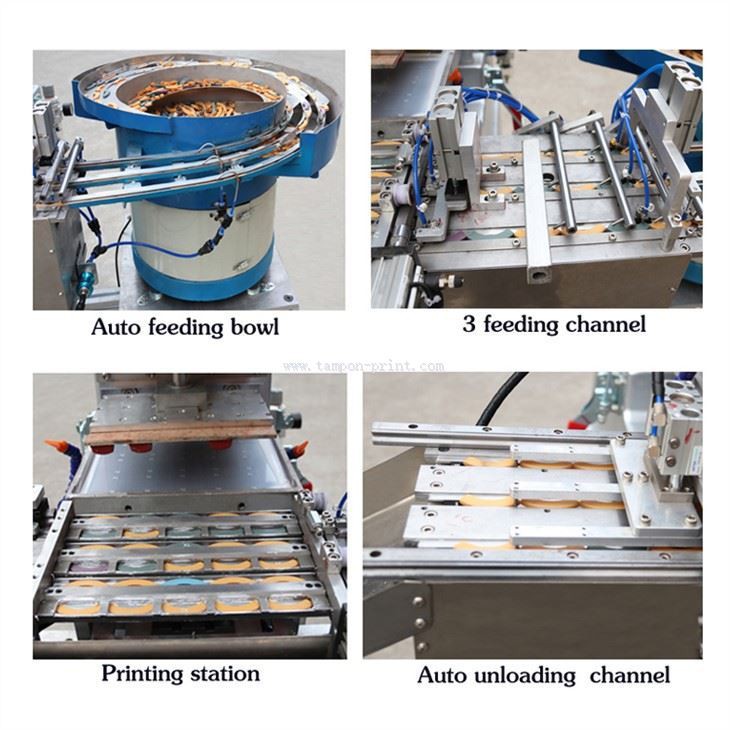
In addition to accurate ink mixing, using the right equipment is also essential for achieving high-quality tampo pad printing. The Tampoprint Pad Printing Machine is a state-of-the-art machine that offers precise control over the printing process, ensuring consistent and accurate results. The SD Card Tampon Printing Machine is another excellent option for high-volume printing, offering fast and efficient operation. And the The Pad Printers are a range of versatile machines that can be customized to meet the specific needs of your printing project.
Conclusion
Accurate ink mixing is a crucial step in achieving high-quality tampo pad printing. By following the tips and techniques outlined in this blog, you can ensure that your ink mixes are accurate, consistent, and of the highest quality. Remember to select the right inks, use a color matching system, measure and mix the inks accurately, test and adjust the ink, maintain the ink mix, and use the right equipment. If you have any questions or need further assistance with ink mixing or tampo pad printing, please don't hesitate to contact us. We're here to help you achieve the best results for your printing projects.
References
- "Pad Printing Technology Handbook" by John F. Kuehner
- "Ink Formulation and Printing Technology" by R. H. Garrett
- "Color Science: Concepts and Methods, Quantitative Data and Formulae" by Gunter Wyszecki and W. S. Stiles