

How to choose the right pad size for a design?
Nov 11, 2025
Choosing the right pad size for a design is a crucial step in the tampo pad printing process. As a tampo pad printing supplier, I've witnessed firsthand how the correct pad size can significantly impact the quality, efficiency, and overall success of a printing project. In this blog post, I'll share some insights and guidelines to help you make an informed decision when selecting the appropriate pad size for your specific design.
Understanding the Basics of Tampo Pad Printing
Before delving into the details of pad size selection, it's essential to have a basic understanding of how tampo pad printing works. Tampo pad printing, also known as pad printing, is a versatile printing process that allows you to transfer a 2D image onto a 3D object. This process involves using a silicone pad to pick up ink from a cliche (a printing plate) and then transfer it onto the surface of the substrate.
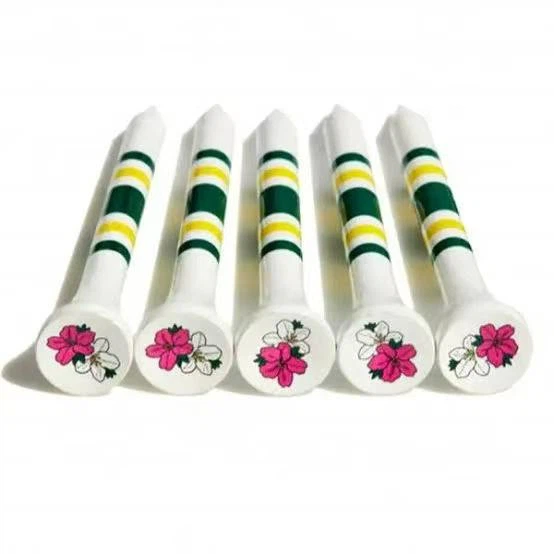

The pad plays a vital role in this process, as it is responsible for picking up the ink from the cliche and transferring it onto the substrate. The size, shape, and hardness of the pad can all affect the quality of the print. Therefore, choosing the right pad size is crucial to ensure that the design is accurately transferred onto the substrate.
Factors to Consider When Choosing a Pad Size
When selecting a pad size for your design, there are several factors to consider. These factors include the size and shape of the design, the type of substrate, the printing machine, and the desired print quality. Let's take a closer look at each of these factors.
Size and Shape of the Design
The size and shape of the design are the most important factors to consider when choosing a pad size. The pad should be large enough to cover the entire design, but not so large that it extends beyond the edges of the substrate. If the pad is too small, the design may not be fully transferred onto the substrate, resulting in a incomplete or distorted print. On the other hand, if the pad is too large, it may pick up excess ink from the cliche, which can lead to smudging or bleeding on the substrate.
In general, the pad should be at least 10-20% larger than the design to ensure that it can pick up all of the ink from the cliche. However, this may vary depending on the complexity of the design and the type of substrate. For example, if the design has a lot of fine details or small text, you may need to use a smaller pad to ensure that the details are accurately transferred onto the substrate.
Type of Substrate
The type of substrate also plays a role in determining the appropriate pad size. Different substrates have different surface textures and properties, which can affect the way the ink adheres to the surface. For example, a smooth and non-porous substrate, such as plastic or metal, may require a different pad size than a rough or porous substrate, such as wood or paper.
In general, a softer pad is better suited for printing on rough or porous substrates, as it can conform to the surface texture and ensure that the ink is evenly transferred onto the substrate. On the other hand, a harder pad is better suited for printing on smooth and non-porous substrates, as it can provide a more precise and consistent print.
Printing Machine
The type of printing machine you are using can also affect the choice of pad size. Different printing machines have different pad holders and printing mechanisms, which can limit the size and shape of the pad that can be used. For example, some printing machines may only be able to accommodate pads up to a certain size, while others may require a specific shape or type of pad.
Before choosing a pad size, it's important to consult the manufacturer's specifications for your printing machine to ensure that the pad you choose is compatible with the machine. You may also want to consider using a test pad to determine the optimal pad size for your specific printing machine and substrate.
Desired Print Quality
The desired print quality is another important factor to consider when choosing a pad size. If you are looking for a high-quality print with sharp details and vibrant colors, you may need to use a smaller pad to ensure that the ink is accurately transferred onto the substrate. On the other hand, if you are looking for a more economical print with less emphasis on detail, you may be able to use a larger pad.
It's also important to consider the number of prints you need to produce. If you are printing a large number of items, you may want to use a larger pad to increase the efficiency of the printing process. However, if you are printing a small number of items or need a high level of precision, you may want to use a smaller pad.
Choosing the Right Pad Size for Your Design
Now that you understand the factors to consider when choosing a pad size, let's take a look at some guidelines to help you choose the right pad size for your specific design.
Measure the Design
The first step in choosing the right pad size is to measure the design. Use a ruler or caliper to measure the length and width of the design, and then add 10-20% to each dimension to determine the minimum pad size. For example, if the design is 2 inches by 3 inches, the minimum pad size would be 2.2 inches by 3.3 inches.
Consider the Shape of the Design
In addition to the size of the design, you also need to consider the shape of the design. If the design has a complex shape or irregular edges, you may need to use a custom-shaped pad to ensure that the design is accurately transferred onto the substrate. Custom-shaped pads can be made to fit the exact shape of the design, which can improve the quality of the print.
Choose the Right Pad Hardness
The hardness of the pad is another important factor to consider when choosing a pad size. The hardness of the pad is measured on the Shore A scale, with softer pads having a lower Shore A rating and harder pads having a higher Shore A rating. In general, a softer pad is better suited for printing on rough or porous substrates, while a harder pad is better suited for printing on smooth and non-porous substrates.
When choosing a pad hardness, it's important to consider the type of substrate and the desired print quality. If you are printing on a rough or porous substrate, you may want to use a softer pad with a Shore A rating of 20-30. On the other hand, if you are printing on a smooth and non-porous substrate, you may want to use a harder pad with a Shore A rating of 40-50.
Test the Pad
Once you have chosen a pad size and hardness, it's important to test the pad to ensure that it is working properly. Use a test substrate to print a sample of the design using the chosen pad. Check the print quality to ensure that the design is accurately transferred onto the substrate and that there are no smudging or bleeding issues.
If the print quality is not satisfactory, you may need to adjust the pad size, hardness, or printing settings. You may also want to try using a different type of pad or printing machine to see if it improves the print quality.
Conclusion
Choosing the right pad size for a design is a crucial step in the tampo pad printing process. By considering the size and shape of the design, the type of substrate, the printing machine, and the desired print quality, you can select the appropriate pad size to ensure that the design is accurately transferred onto the substrate.
As a tampo pad printing supplier, we offer a wide range of pad sizes and shapes to meet the needs of our customers. We also provide custom pad manufacturing services to ensure that our customers get the exact pad they need for their specific design. If you have any questions or need help choosing the right pad size for your design, please don't hesitate to contact us. We'll be happy to assist you with your printing project.
If you're interested in learning more about our Tampo Pad Printing Machine, Auto Golf Tees Shank 360 Pad Printing Machine, or Industrial Pad Printing Machines, please feel free to reach out to us. We're here to help you find the perfect solution for your printing needs. Contact us today to start the conversation and explore how we can assist you in achieving high-quality prints for your products.
References
- "Pad Printing Technology" by Pad Printing Association International
- "Tampo Pad Printing: A Comprehensive Guide" by ABC Printing Supplies
- "Choosing the Right Pad for Your Pad Printing Project" by XYZ Printing Solutions