

How does a screen press machine work?
Nov 25, 2025
Hey there! As a supplier of screen press machines, I'm super stoked to share with you how these amazing pieces of equipment work. Screen press machines are like the unsung heroes of the printing world, churning out high - quality prints on all sorts of materials day in and day out.
Let's start with the basics. A screen press machine is used for screen printing, which is a process that transfers ink through a stencil onto a substrate. The substrate can be just about anything - t - shirts, posters, signs, you name it.
The Key Components
First off, we've got the screen itself. This is usually made of a fine mesh, often made from polyester or stainless steel. The screen is where the magic starts. A stencil is created on the screen, which blocks the ink from passing through in certain areas, allowing only the desired image to be printed.
Next up is the squeegee. This is a rubber blade that plays a crucial role in the printing process. The squeegee is used to push the ink across the screen, forcing it through the open areas of the stencil and onto the substrate below.
The frame is another important part. It holds the screen in place and provides stability during the printing process. A well - made frame ensures that the screen stays taut and in the right position, which is essential for getting a sharp and accurate print.
We also have the ink reservoir. This is where the ink is stored before it's used in the printing process. The ink needs to be of the right consistency and viscosity to flow smoothly through the screen and onto the substrate.
The Printing Process
Now, let's walk through how a screen press machine actually works step by step.
Step 1: Preparing the Screen
The first thing we do is create the stencil on the screen. There are a few different ways to do this. One common method is called photolithography. In this process, a photosensitive emulsion is applied to the screen. A film positive of the image to be printed is then placed on top of the screen, and the screen is exposed to light. The areas of the emulsion that are exposed to light harden, while the areas covered by the film positive remain soft. The soft areas are then washed away, leaving behind a stencil on the screen.
Step 2: Setting up the Machine
Once the screen is ready, we mount it onto the frame of the screen press machine. We also need to set up the squeegee and adjust its pressure and angle. The pressure of the squeegee affects how much ink is transferred onto the substrate, and the angle determines the direction and smoothness of the ink flow.
We also need to fill the ink reservoir with the appropriate ink. The type of ink used depends on the substrate and the desired finish of the print. For example, if we're printing on a t - shirt, we might use a water - based or plastisol ink.
Step 3: Loading the Substrate
The substrate is then placed on the printing bed of the machine. The printing bed needs to be clean and flat to ensure a good print. Some screen press machines have a registration system that helps to align the substrate accurately with the screen, so the print is in the right position.
Step 4: Printing
With everything set up, it's time to start printing. The squeegee is moved across the screen, pushing the ink through the open areas of the stencil and onto the substrate. The pressure and speed of the squeegee movement are carefully controlled to ensure an even and consistent print.
After the first pass, the squeegee is lifted, and the screen is lifted off the substrate. This allows the substrate to be moved or re - positioned if necessary for the next print.
Step 5: Drying and Curing
Once the print is made, the substrate needs to be dried and cured. The method of drying and curing depends on the type of ink used. For water - based inks, air - drying might be sufficient, but for plastisol inks, a heat press or a conveyor dryer is usually required to cure the ink and make it permanent.
Different Types of Screen Press Machines
There are several types of screen press machines available in the market.
One popular type is the Grafica Automatic Screen Printing Machine. This machine is fully automatic, which means it can handle multiple prints in a short amount of time with high precision. It's great for large - scale printing jobs, such as printing t - shirts for a big event or producing a large number of posters.
Another type is the Automatic Multicolor Pen Cnc Screen Printing. This machine is specifically designed for printing on pens and other small cylindrical objects. It uses computer - numerical - control (CNC) technology to ensure accurate and detailed prints on these tricky substrates.
The Automatic Ball Pen Screen Printing Press is also a specialized machine. It's optimized for printing on ball pens, with features that allow for quick and efficient printing on a large number of pens at once.
Advantages of Using a Screen Press Machine
There are many advantages to using a screen press machine for your printing needs.
First of all, screen printing offers excellent color saturation and durability. The ink sits on top of the substrate, creating a bold and long - lasting print. This makes it ideal for printing on items that will be exposed to a lot of wear and tear, like t - shirts and outdoor signs.
Secondly, screen press machines can print on a wide variety of substrates. Whether you're printing on fabric, paper, plastic, or metal, there's a screen press machine that can handle the job.

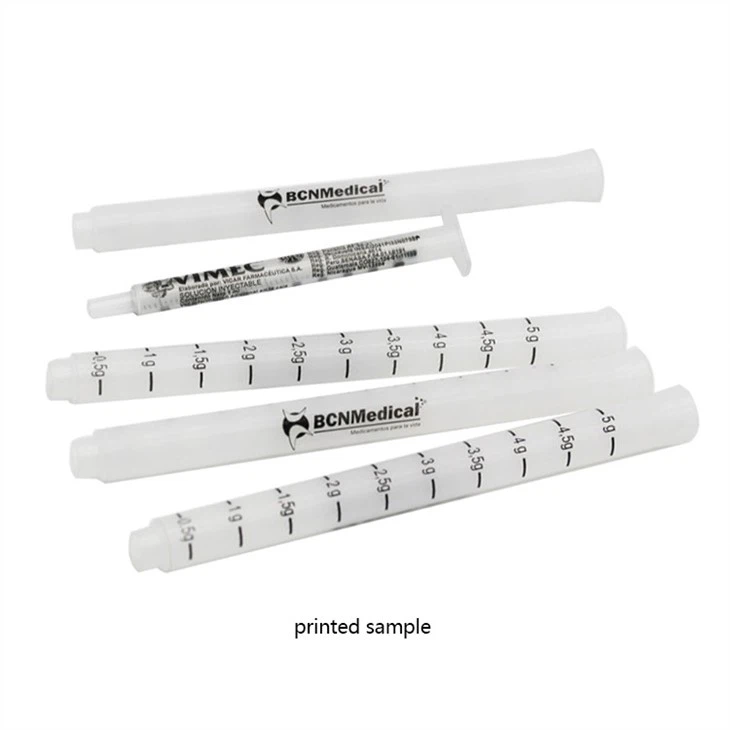
Screen printing also allows for a high degree of customization. You can print just about any design or image you want, from simple logos to complex patterns.
Why Choose Our Screen Press Machines
As a supplier, we take pride in offering high - quality screen press machines. Our machines are built with the latest technology and are designed to be reliable and easy to use. We offer a range of models to suit different printing needs, whether you're a small - scale printer or a large - scale production facility.
Our customer support team is always on hand to help you with any questions or issues you might have. We also provide training and maintenance services to ensure that your screen press machine runs smoothly for years to come.
If you're in the market for a screen press machine, we'd love to hear from you. Whether you're looking to start a new printing business or upgrade your existing equipment, we can help you find the perfect machine for your needs. Just reach out to us, and we'll be happy to discuss your options and get you started on the path to high - quality screen printing.
References
- Screen Printing Technology Handbook, Second Edition by John C. Arnold
- The Complete Guide to Screen Printing by Steve Hagen