

Can an electric pad printer print on polycarbonate surfaces?
Nov 27, 2025
Can an electric pad printer print on polycarbonate surfaces?
As a supplier of electric pad printers, I often get asked whether our machines can effectively print on polycarbonate surfaces. Polycarbonate is a popular thermoplastic known for its high impact resistance, transparency, and heat resistance, making it a common choice in various industries such as automotive, electronics, and consumer goods. In this blog post, I'll explore the feasibility of using an electric pad printer on polycarbonate surfaces, the factors to consider, and the benefits of doing so.
Understanding Electric Pad Printing
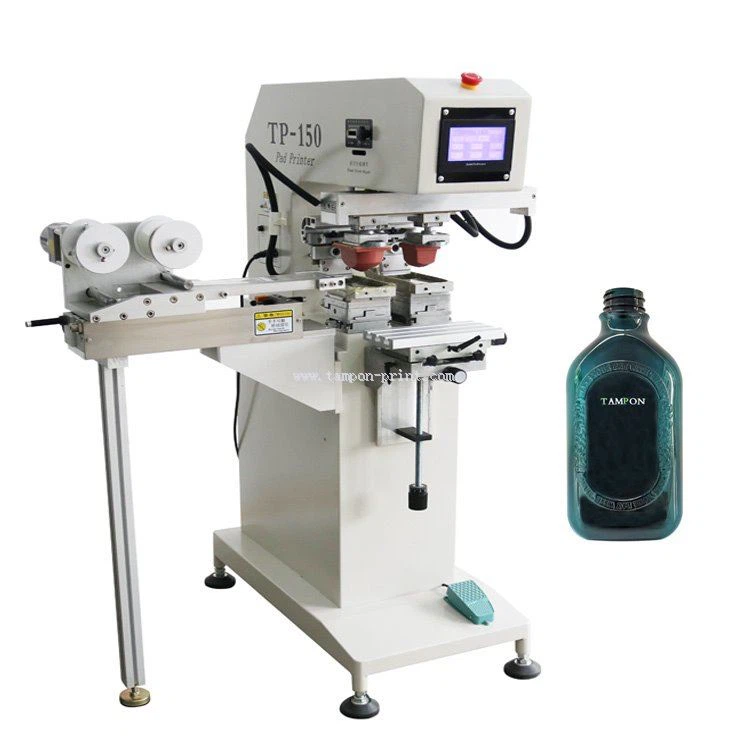
Before delving into the specifics of printing on polycarbonate, let's briefly understand how electric pad printing works. Electric pad printers are a type of printing machine that uses a silicone pad to transfer an image from a printing plate to a substrate. The process involves several steps:
- Inking: The printing plate, which has recessed areas corresponding to the image to be printed, is filled with ink.
- Pad Pickup: The silicone pad descends onto the printing plate, picking up the ink from the recessed areas.
- Transfer: The pad then moves to the substrate and presses down, transferring the ink onto the surface.
Electric pad printers offer several advantages, including high precision, the ability to print on irregular surfaces, and the option to print multiple colors. They are also relatively easy to operate and maintain, making them a popular choice for small to medium - scale production.

Printing on Polycarbonate Surfaces
The short answer is yes, an electric pad printer can print on polycarbonate surfaces. However, there are several factors that need to be considered to ensure a successful print.
Surface Preparation
Polycarbonate surfaces can have a smooth and non - porous finish, which can make it challenging for the ink to adhere properly. To improve adhesion, the surface may need to be pre - treated. Common pre - treatment methods include:
- Cleaning: The polycarbonate surface should be thoroughly cleaned to remove any dust, grease, or contaminants. This can be done using a mild detergent and a lint - free cloth, followed by a rinse with clean water and drying.
- Flame Treatment: Flame treatment involves passing the polycarbonate surface through a controlled flame. This process oxidizes the surface, creating polar groups that improve ink adhesion.
- Plasma Treatment: Plasma treatment uses a high - energy plasma to modify the surface chemistry of the polycarbonate. It can increase the surface energy, making it more receptive to ink.
Ink Selection
Choosing the right ink is crucial for printing on polycarbonate. The ink should be specifically formulated for use on plastics, preferably with good adhesion, flexibility, and chemical resistance. UV - curable inks are a popular choice for polycarbonate printing. They offer fast curing times, high gloss, and excellent durability. Solvent - based inks can also be used, but they may require proper ventilation due to the release of volatile organic compounds (VOCs).
Pad Selection
The silicone pad plays a vital role in the pad - printing process. For polycarbonate surfaces, a pad with the right hardness and shape should be selected. A softer pad is generally better for printing on smooth surfaces as it can conform to the surface and transfer the ink more evenly. The shape of the pad should also match the shape of the area to be printed.
Benefits of Printing on Polycarbonate with an Electric Pad Printer
There are several benefits to using an electric pad printer to print on polycarbonate surfaces:
- High Precision: Electric pad printers can achieve high - precision prints, allowing for detailed logos, text, and graphics to be printed on polycarbonate parts.
- Versatility: They can print on a variety of polycarbonate products, including small components, large panels, and parts with irregular shapes. For example, you can use a Large Pad Printing Machine For Calculator to print on calculator casings made of polycarbonate.
- Cost - Effective: Compared to other printing methods, pad printing is relatively cost - effective, especially for small to medium - volume production runs.
- Durability: With the right ink and pre - treatment, the prints on polycarbonate can be highly durable, resistant to wear, and suitable for long - term use.
Case Studies
Let's look at a few real - world examples of electric pad printers being used to print on polycarbonate surfaces:
- Electronics Industry: In the electronics industry, polycarbonate is often used for the casings of electronic devices. An electric pad printer can be used to print logos, model numbers, and operating instructions on these casings. For instance, a Rotary Pad Printing Machine can be used to print on the curved surfaces of mobile phone cases made of polycarbonate.
- Automotive Industry: Polycarbonate is used in automotive applications such as instrument panels and interior trims. Electric pad printers can print graphics and text on these components with high precision, enhancing the aesthetic appeal of the vehicle.
- Consumer Goods Industry: Many consumer goods, such as eyewear frames and household appliances, are made of polycarbonate. A Mini Pad Printing Machine can be used to print brand names and decorative elements on these products.
Considerations for a Successful Print Job
To ensure a successful print job on polycarbonate surfaces with an electric pad printer, the following considerations should be kept in mind:
- Test Prints: Before starting a large - scale production run, it is advisable to perform test prints on sample polycarbonate pieces. This allows you to adjust the printing parameters, such as pad pressure, speed, and ink viscosity, to achieve the best results.
- Environmental Conditions: The temperature and humidity of the printing environment can affect the ink drying time and adhesion. It is recommended to maintain a stable environment with temperature and humidity levels within the recommended range for the ink being used.
- Maintenance: Regular maintenance of the electric pad printer is essential to ensure consistent print quality. This includes cleaning the printing plate, pads, and ink cups, as well as checking and replacing any worn - out parts.
Conclusion
In conclusion, an electric pad printer can effectively print on polycarbonate surfaces, provided that the proper surface preparation, ink selection, and pad selection are made. With the right approach, you can achieve high - quality, durable prints on a variety of polycarbonate products.
If you are interested in using an electric pad printer for your polycarbonate printing needs, we are here to help. Our range of electric pad printers offers different sizes and configurations to suit your specific requirements. Whether you need a large - scale machine for high - volume production or a mini - printer for small - scale projects, we have the solution for you. Contact us to discuss your project and explore how our electric pad printers can meet your printing needs.
References
- "Pad Printing Technology Handbook" by Pad Printing Association International
- "Plastics Processing: An Introduction" by Osswald, T. A., & Turng, L. - S.
- Technical literature from ink manufacturers for polycarbonate printing.