

Can an Automatic Pad Printer print on plastic?
Dec 03, 2025
Hey there! As a supplier of Automatic Pad Printers, I often get asked if these machines can print on plastic. Well, the short answer is yes, they absolutely can. But let's dive a bit deeper into this topic to understand how it all works.
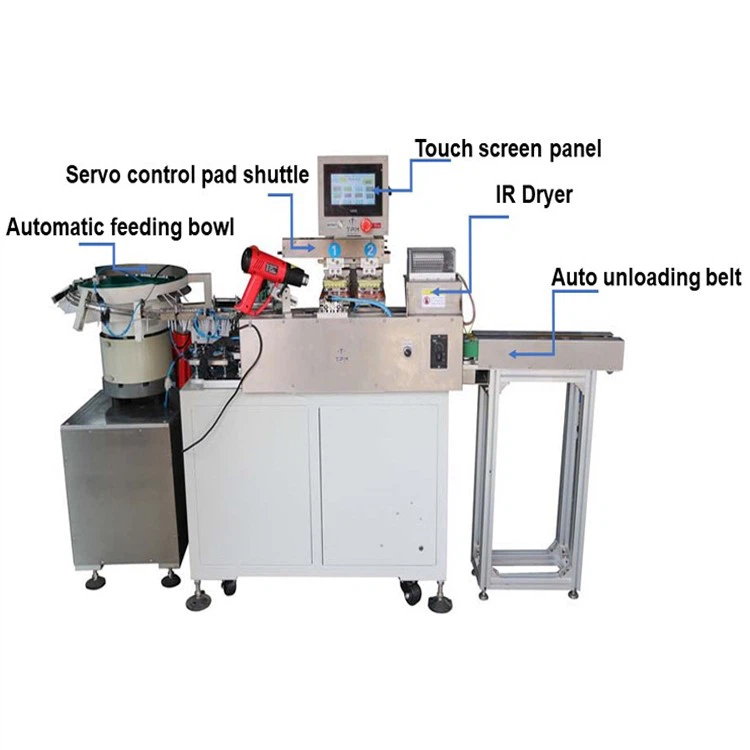
First off, let's talk about what an Automatic Pad Printer is. It's a type of printing machine that uses a silicone pad to transfer an image from a printing plate onto a substrate, which in our case is plastic. The process is pretty cool. The printing plate is etched with the image you want to print. Ink is then applied to the plate, and the excess ink is wiped off, leaving ink only in the etched areas. The silicone pad then presses onto the plate, picks up the inked image, and transfers it onto the plastic surface.
Now, why is plastic such a popular substrate for pad printing? Well, plastic is everywhere. It's used in a wide range of industries, from consumer goods to automotive. You name it, there's probably a plastic component involved. And pad printing offers a great way to add branding, logos, or other information onto these plastic parts.
One of the great things about Automatic Pad Printers is their versatility. They can handle different types of plastics, including ABS, polycarbonate, and polyethylene. However, different plastics have different surface properties, which can affect the printing process. For example, some plastics are more porous, while others are more smooth and non - absorbent. This means that the ink adhesion can vary.
To ensure good ink adhesion on plastic, there are a few things we can do. First, we can use special inks that are formulated for plastic substrates. These inks are designed to bond well with the plastic surface, providing a long - lasting print. Second, we can pre - treat the plastic surface. This can involve processes like corona treatment or flame treatment, which modify the surface properties of the plastic to make it more receptive to the ink.
Let's take a look at some of the applications of Automatic Pad Printers on plastic. In the consumer electronics industry, you'll often see pad - printed logos on mobile phone cases, tablets, and other devices. These prints need to be sharp, durable, and resistant to wear and tear. Our Automatic Pad Printers can achieve high - quality prints that meet these requirements.
In the automotive industry, plastic parts like dashboard panels, buttons, and knobs are often pad - printed. The prints need to withstand harsh environmental conditions, such as high temperatures and exposure to chemicals. Our machines are capable of producing prints that are tough enough to handle these challenges.
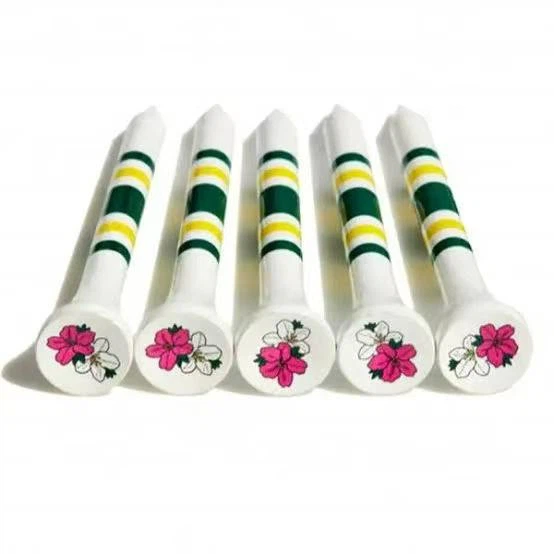
Now, I want to introduce you to some of our specific Automatic Pad Printer models that are great for printing on plastic. Check out our Golf Tee Pad Printing Machine Automatic. This machine is not only suitable for golf tees but can also be used for other small plastic parts. It offers high - speed printing and precise registration, ensuring that your prints are of the highest quality.
Another great option is our Automated Tampo Printing For Size Clips. This machine is designed for printing on small, intricate plastic parts like size clips. It has advanced features that allow for easy setup and operation, making it a great choice for businesses of all sizes.
If you're looking for a machine that can handle more complex printing tasks on plastic, our Auto Golf Tees Shank 360 Pad Printing Machine is a great option. It can print 360 degrees around a cylindrical plastic part, opening up new possibilities for your printing needs.
When it comes to the printing process on plastic, there are a few factors to keep in mind. The speed of the machine is important. You want a machine that can print at a fast enough rate to meet your production requirements, but not so fast that it compromises the quality of the print. The pressure applied by the pad is also crucial. Too much pressure can cause the ink to spread or the plastic to deform, while too little pressure can result in a faint or incomplete print.
The quality of the silicone pad is another important factor. A good quality pad will pick up the ink evenly from the printing plate and transfer it smoothly onto the plastic surface. We use high - quality silicone pads in our Automatic Pad Printers to ensure consistent and high - quality prints.
In addition to the technical aspects, we also offer excellent customer support. Our team of experts is always on hand to help you with any questions you may have about printing on plastic. Whether it's choosing the right ink, pre - treating the plastic, or setting up the machine, we've got you covered.
If you're in the market for an Automatic Pad Printer for printing on plastic, I encourage you to get in touch with us. We can provide you with more information about our machines, offer a demonstration, and help you find the perfect solution for your specific needs. Whether you're a small business just starting out or a large corporation looking to upgrade your printing capabilities, we have the right machine for you.
In conclusion, Automatic Pad Printers are a great choice for printing on plastic. They offer versatility, high - quality prints, and the ability to handle a wide range of plastic substrates. With the right inks, pre - treatment, and machine settings, you can achieve excellent results. So, if you're looking to add branding or information to your plastic parts, don't hesitate to consider an Automatic Pad Printer.
References:
- "Pad Printing Technology" by some industry experts
- Various technical documents on plastic printing and pad printing processes from industry associations