

Can a pad printer print on electronic components?
Jan 15, 2026
Hey there! I'm a supplier of pad printers, and today I wanna chat about whether a pad printer can print on electronic components. It's a question I get quite often from customers in the electronics industry, so let's dig into it.
How Pad Printing Works
First off, let's quickly go over how pad printing works. Pad printing is a printing process that can transfer a 2D image onto a 3D object. It uses a silicone pad to pick up ink from an etched plate and then transfer that ink onto the surface of the item you want to print on. It's a pretty versatile method, and it can be used on all sorts of materials and shapes.
The process starts with an engraving plate. The image you want to print is etched into this plate. Then, a doctor blade spreads ink over the plate, filling the etched areas. The excess ink is wiped off, leaving ink only in the engraved parts. Next, the silicone pad presses onto the plate, picking up the ink in the shape of your image. Finally, the pad presses onto the target object, transferring the ink and creating the printed image.
Printing on Electronic Components
Now, can a pad printer print on electronic components? The short answer is yes, it can. Electronic components come in all shapes and sizes, from tiny resistors to large circuit boards, and pad printing can be a great option for adding markings, logos, or other information to them.
One of the big advantages of pad printing on electronic components is its precision. Electronic parts often have small surfaces where you need to print very detailed information, like serial numbers, model numbers, or tiny logos. Pad printing can handle these small, intricate details with ease. The silicone pad can conform to the shape of the component, ensuring that the ink is transferred accurately, even on curved or irregular surfaces.
Another benefit is the durability of the print. Electronic components are often exposed to various environmental conditions, such as heat, moisture, and chemicals. Pad printing inks can be formulated to be resistant to these factors, so the printed information stays clear and legible over time. This is crucial for components that need to maintain their markings for identification and traceability purposes.
Challenges and Considerations
Of course, there are also some challenges and considerations when using a pad printer on electronic components. One of the main issues is the material of the component. Different materials, like plastics, metals, and ceramics, have different surface properties. For example, plastics can be smooth or have a textured surface, and metals can be coated or uncoated. These differences can affect how well the ink adheres to the surface.
To overcome this, you need to choose the right type of ink. There are inks specifically designed for different materials. For instance, if you're printing on a plastic component, you'll want an ink that bonds well with plastics. Some inks are also designed to be cured under certain conditions, like UV light or heat, to improve adhesion and durability.
Another challenge is the cleanliness of the component surface. Electronic components are often very sensitive, and any dust, grease, or other contaminants on the surface can prevent the ink from adhering properly. Before printing, it's important to clean the components thoroughly. This might involve using solvents or other cleaning agents, but you need to be careful not to damage the component.
Our Pad Printing Solutions
At our company, we've got a range of pad printers that are suitable for printing on electronic components. We understand the unique requirements of the electronics industry, and we've designed our machines to meet those needs.
For example, our Safety Helmet Pad Printing Machine With Pad Cleaning Device can be adapted for use on electronic components. It comes with a pad cleaning device, which helps to keep the silicone pad clean and free from ink residue. This ensures consistent and high-quality prints, even when printing on small and delicate components.
We also have machines for Pad Printing On Metal. If you're dealing with metal electronic components, like connectors or housings, these machines are a great choice. They can handle the specific requirements of printing on metal surfaces, such as the need for strong adhesion and resistance to abrasion.
And for smaller components, like pens or small plastic parts, our Single Color Pad Printing Machine For Pens can be very useful. It's compact and easy to operate, making it ideal for printing on small electronic components with simple, single-color designs.
Quality Control
When it comes to printing on electronic components, quality control is essential. We have strict quality control measures in place to ensure that every print meets the highest standards. Our technicians are trained to set up the pad printers correctly, including adjusting the pressure, speed, and ink flow to get the best results.
We also test the prints regularly to check for adhesion, durability, and legibility. We use various methods, such as tape tests to check the adhesion of the ink and environmental testing to simulate real-world conditions. This way, we can be sure that the printed components will perform well in their intended applications.
Customization and Support
We know that every customer's needs are different, especially in the electronics industry. That's why we offer customization options for our pad printers. Whether you need a specific size of machine, a special type of ink, or a customized printing program, we can work with you to find the right solution.
In addition to our products, we also provide excellent customer support. Our team of experts is always available to answer your questions, offer technical advice, and help you with any issues you might encounter. We want to make sure that you're satisfied with your pad printing experience and that your electronic components are printed to your exact specifications.
Conclusion
So, to sum it up, a pad printer can definitely print on electronic components. It offers precision, durability, and versatility, making it a great choice for adding markings and information to these parts. However, there are some challenges to consider, such as material compatibility and surface cleanliness.

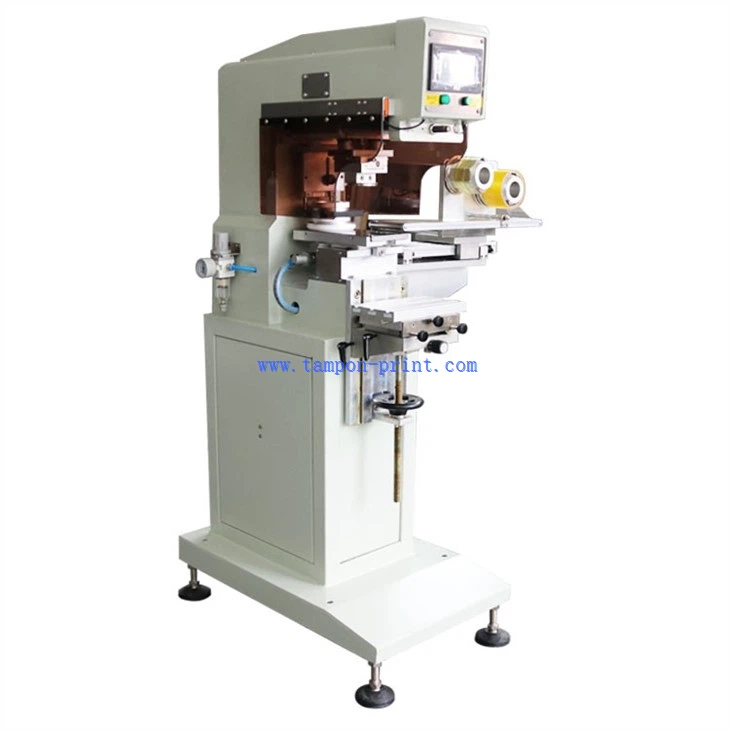
If you're in the electronics industry and looking for a reliable way to print on your components, we're here to help. Our range of pad printers, along with our customization options and excellent customer support, can provide you with the solution you need. Whether you're a small business or a large manufacturer, we've got the expertise and the equipment to meet your requirements.
If you're interested in learning more about our pad printers or discussing your specific needs, don't hesitate to get in touch. We'd love to have a chat with you and see how we can help you with your pad printing projects.
References
- “Pad Printing Technology and Applications.” Industrial Printing Handbook.
- “Ink Formulations for Electronic Component Marking.” Journal of Printing Science.