

Are there any safety regulations for desk pad printing?
Oct 27, 2025
Are there any safety regulations for desk pad printing? As a desk pad printing supplier, I've encountered this question numerous times from clients, partners, and even curious individuals in the industry. In this blog post, I'll delve into the safety regulations surrounding desk pad printing, explore the potential hazards, and discuss how we ensure compliance in our operations.
Understanding the Basics of Desk Pad Printing
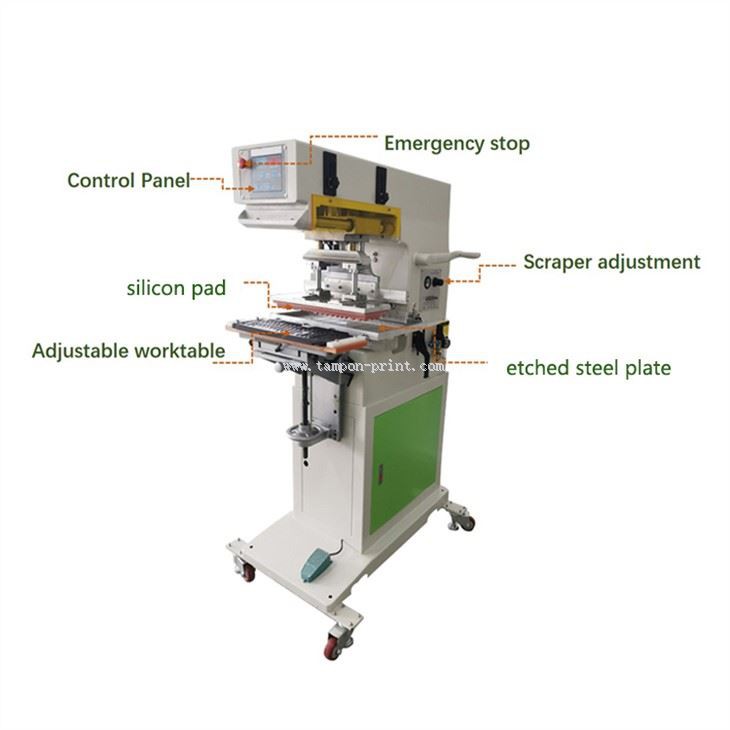
Desk pad printing is a specialized form of printing that involves transferring ink from a printing plate onto a desk pad using a silicone pad. This process is commonly used to print logos, designs, and text on various types of desk pads, including leather, fabric, and plastic. The printing process typically involves the use of solvents, inks, and chemicals, which can pose potential health and safety risks if not handled properly.
Potential Hazards in Desk Pad Printing
There are several potential hazards associated with desk pad printing, including:
- Chemical Exposure: The inks, solvents, and chemicals used in desk pad printing can contain hazardous substances such as volatile organic compounds (VOCs), heavy metals, and carcinogens. Exposure to these chemicals can cause respiratory problems, skin irritation, and other health issues.
- Fire and Explosion: Some of the solvents and chemicals used in desk pad printing are flammable and can pose a fire and explosion risk if not stored and handled properly.
- Noise Pollution: The printing equipment used in desk pad printing can generate high levels of noise, which can cause hearing damage if workers are exposed to it for extended periods of time.
- Ergonomic Hazards: Workers who operate the printing equipment may be at risk of developing musculoskeletal disorders due to repetitive motions, awkward postures, and heavy lifting.
Safety Regulations for Desk Pad Printing
To ensure the safety of workers and the environment, there are several safety regulations that desk pad printing suppliers must comply with. These regulations vary depending on the country and region, but some of the common regulations include:

- Occupational Safety and Health Administration (OSHA) Regulations: In the United States, OSHA has established regulations to protect workers from the hazards associated with chemical exposure, fire and explosion, noise pollution, and ergonomic hazards. Desk pad printing suppliers must comply with these regulations by providing workers with appropriate personal protective equipment (PPE), training, and ventilation systems.
- Environmental Protection Agency (EPA) Regulations: The EPA has established regulations to protect the environment from the hazards associated with the use and disposal of chemicals. Desk pad printing suppliers must comply with these regulations by properly storing, handling, and disposing of chemicals, and by using environmentally friendly inks and solvents.
- European Union (EU) Regulations: The EU has established regulations to protect the health and safety of workers and the environment. Desk pad printing suppliers who operate in the EU must comply with these regulations by obtaining the necessary certifications and approvals, and by following the EU's guidelines for the use and disposal of chemicals.
Ensuring Compliance in Desk Pad Printing
As a desk pad printing supplier, we take the safety and health of our workers and the environment very seriously. We have implemented several measures to ensure compliance with the safety regulations, including:
- Training and Education: We provide our workers with comprehensive training and education on the safe handling and use of chemicals, equipment, and PPE. We also conduct regular safety meetings and drills to ensure that our workers are aware of the potential hazards and know how to respond in case of an emergency.
- Ventilation Systems: We have installed ventilation systems in our printing facilities to remove harmful chemicals and fumes from the air. These systems are regularly maintained and inspected to ensure that they are functioning properly.
- Personal Protective Equipment (PPE): We provide our workers with appropriate PPE, such as gloves, goggles, respirators, and aprons, to protect them from chemical exposure and other hazards. We also ensure that our workers wear the PPE at all times when working with chemicals or operating the printing equipment.
- Chemical Management: We have established a chemical management program to ensure that our chemicals are properly stored, handled, and disposed of. We also use environmentally friendly inks and solvents whenever possible to reduce the environmental impact of our operations.
- Equipment Maintenance: We regularly maintain and inspect our printing equipment to ensure that it is in good working condition and safe to operate. We also follow the manufacturer's instructions for the use and maintenance of the equipment.
The Importance of Safety in Desk Pad Printing
Safety is not only important for the health and well-being of our workers and the environment, but it is also essential for the success of our business. By ensuring compliance with the safety regulations, we can reduce the risk of accidents and injuries, improve the quality of our products, and enhance our reputation as a responsible and reliable desk pad printing supplier.
Conclusion
In conclusion, there are several safety regulations that desk pad printing suppliers must comply with to ensure the safety of workers and the environment. These regulations vary depending on the country and region, but they generally cover chemical exposure, fire and explosion, noise pollution, and ergonomic hazards. As a desk pad printing supplier, we take the safety and health of our workers and the environment very seriously, and we have implemented several measures to ensure compliance with the safety regulations. If you are interested in learning more about our desk pad printing services or have any questions about safety regulations, please feel free to [contact us for procurement discussions]. We look forward to hearing from you!
References
- Occupational Safety and Health Administration (OSHA). (n.d.). Chemical Hazards and Toxic Substances. Retrieved from https://www.osha.gov/chemical-hazards
- Environmental Protection Agency (EPA). (n.d.). Chemical Safety. Retrieved from https://www.epa.gov/chemical-safety
- European Union (EU). (n.d.). Health, Safety and Environment. Retrieved from https://ec.europa.eu/growth/sectors/chemicals/health-safety-environment_en