

Are The Pad Printers suitable for printing barcodes?
Nov 24, 2025
Hey there! As a supplier of pad printers, I often get asked whether pad printers are suitable for printing barcodes. Well, let's dive right into this topic and find out.
First off, what exactly are pad printers? Pad printing is a printing process that can transfer a 2D image onto a 3D object. It's a versatile method used in various industries, from automotive to consumer electronics. Pad printers work by using a silicone pad to pick up ink from an engraved plate and then transfer it onto the surface of the product.
Now, let's talk about barcodes. Barcodes are a series of parallel lines of varying widths and spaces that represent data. They're used everywhere, from retail stores to warehouses, to track products and manage inventory. The key to a successful barcode is its readability. A barcode that can't be scanned accurately is pretty much useless.
So, are pad printers suitable for printing barcodes? The answer is a resounding yes, but with some considerations.
Advantages of Using Pad Printers for Barcode Printing
Versatility
One of the biggest advantages of pad printers is their versatility. They can print barcodes on a wide range of materials and shapes. Whether you need to print on a flat surface like a plastic card or a curved surface like a bottle, pad printers can handle it. This makes them a great choice for industries that deal with different types of products. For example, in the medical industry, pad printers can be used to print barcodes on syringes and vials, which have irregular shapes.
High Precision
Pad printers are capable of high - precision printing. They can print barcodes with very fine details, ensuring that the barcode meets the required standards for readability. The silicone pad used in pad printing can pick up and transfer the ink with great accuracy, resulting in sharp and clear barcodes. This is crucial for barcodes, as even a small smudge or error can make the barcode unreadable.
Cost - Effective
Compared to some other printing methods, pad printers can be a cost - effective solution for barcode printing. They have relatively low setup costs, especially for small to medium - volume production runs. You don't need to invest in expensive printing plates or large - scale printing equipment. Additionally, the ink used in pad printing is generally less expensive than some other types of inks.
Our Pad Printing Equipment
We offer a range of pad printing equipment that is well - suited for barcode printing. For example, our Automatic Rotary Pad Printing Equipment is a great option for high - volume production. It has a rotary design that allows for continuous printing, increasing efficiency. The machine is also equipped with advanced control systems that ensure precise printing of barcodes.
Another product is our Automatic 1 Color Metal Caps Pad Printer. This printer is specifically designed for printing on metal caps, which are commonly used in the beverage and cosmetic industries. It can print clear and accurate barcodes on the caps, even at high speeds.
Our Industrial Pad Printing Machines are suitable for a wide range of industrial applications. They are built to last and can handle the rigors of continuous operation. These machines can be customized to meet the specific needs of your barcode printing requirements.
Considerations When Using Pad Printers for Barcode Printing
Ink Selection
The choice of ink is crucial when printing barcodes. You need to use an ink that is durable and resistant to fading, smudging, and scratching. For example, if the product with the barcode will be exposed to harsh environments or chemicals, you'll need a special ink that can withstand these conditions. UV - curable inks are often a good choice for barcode printing, as they dry quickly and provide excellent adhesion.
Barcode Design
The design of the barcode itself is also important. You need to ensure that the barcode meets the relevant standards, such as the size, aspect ratio, and minimum quiet zone requirements. The pad printer should be able to print the barcode with the correct dimensions and quality. If the barcode is too small or the lines are too thin, it may not be readable by barcode scanners.
Surface Preparation
The surface of the product where the barcode will be printed needs to be properly prepared. It should be clean, dry, and free of any contaminants. If the surface is rough or uneven, it may affect the quality of the printed barcode. In some cases, you may need to apply a primer or a coating to the surface to improve the adhesion of the ink.
Real - World Applications
Pad printers are already being used in many industries for barcode printing. In the electronics industry, they are used to print barcodes on circuit boards and electronic components. These barcodes are used for tracking the components throughout the manufacturing process and for inventory management.
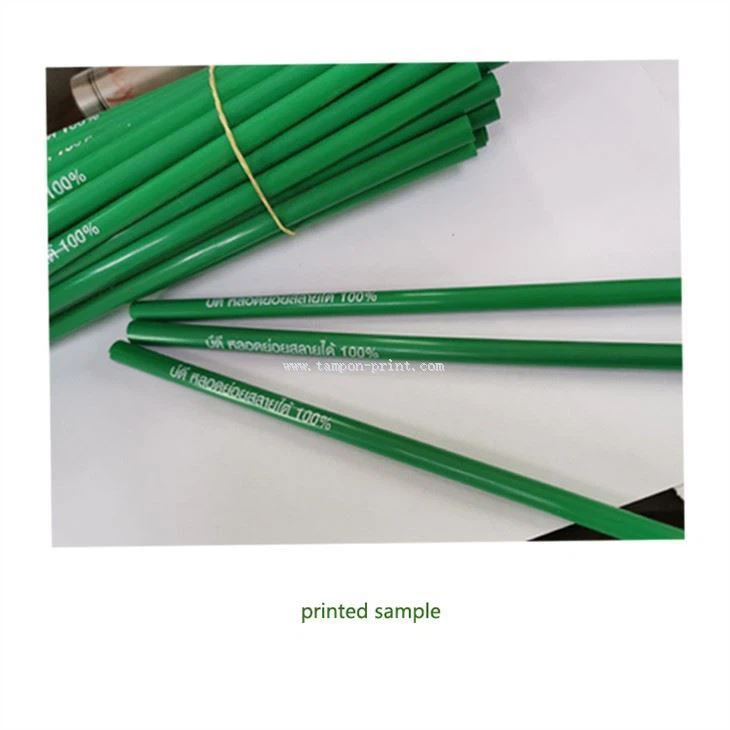

In the automotive industry, pad printers are used to print barcodes on engine parts, body panels, and other components. The barcodes help in quality control, traceability, and supply chain management.
In the food and beverage industry, pad printers are used to print barcodes on packaging materials. This allows for easy tracking of products from the production line to the retail store.
Conclusion
In conclusion, pad printers are definitely suitable for printing barcodes. They offer versatility, high precision, and cost - effectiveness. However, you need to pay attention to factors such as ink selection, barcode design, and surface preparation to ensure the best results.
If you're in the market for a reliable pad printing solution for your barcode printing needs, we'd love to hear from you. We can provide you with more information about our products and help you choose the right equipment for your specific requirements. Contact us today to start a discussion about your barcode printing project.
References
- "Pad Printing Technology Handbook"
- "Barcode Standards and Best Practices"
- Industry reports on barcode printing in various sectors