

How does a pad printer work?
Nov 18, 2025
Hey there! As a pad printer supplier, I'm super stoked to share with you how a pad printer works. Pad printing is a pretty cool and versatile printing method that's used in all sorts of industries. Whether you're looking to print on beverage cans, LED bulb housings, or other items, pad printers can get the job done.
Let's start with the basics. A pad printer is a machine that transfers a 2D image from a printing plate onto a 3D object. This is super handy because it allows you to print on all kinds of irregularly shaped surfaces, like curved bottles or textured parts.
The Key Components of a Pad Printer
First off, we've got the printing plate. This is where the magic starts. The printing plate is usually made of steel or polymer, and it has a pattern or design etched into it. The etching holds the ink that will be transferred onto the object.
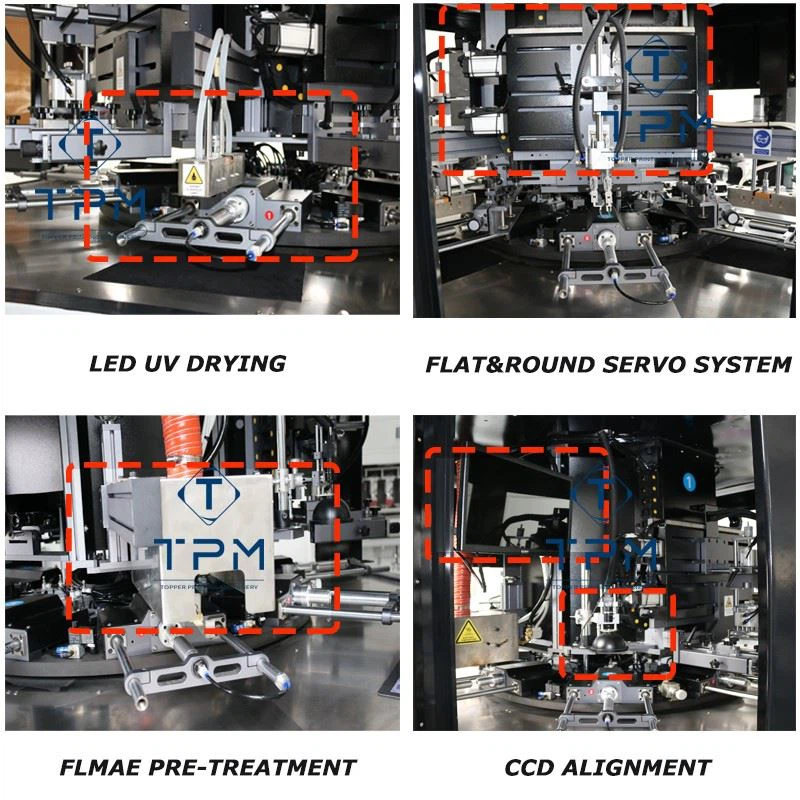
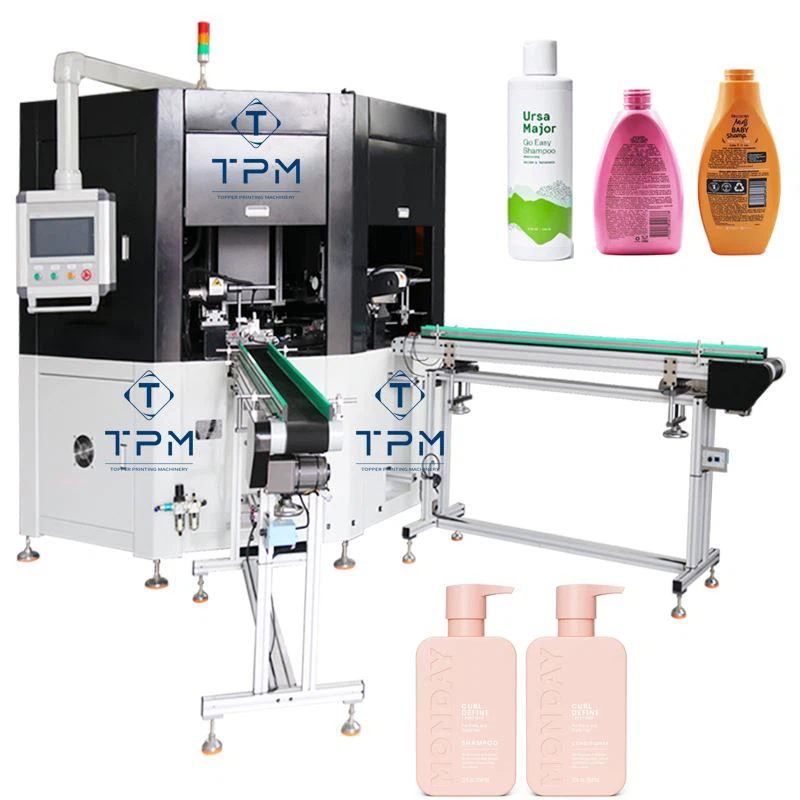
Next up is the ink cup. The ink cup sits on top of the printing plate and contains the ink. It has a very important job - it keeps the ink evenly distributed on the printing plate. The ink cup moves back and forth over the plate, spreading the ink into the etched areas.
Then there's the silicone pad. This is the star of the show. The silicone pad is soft and flexible, which allows it to pick up the ink from the printing plate and transfer it onto the object. The shape and size of the pad can vary depending on the job. For example, if you're printing on a small, detailed area, you'll need a smaller pad.
Finally, we have the fixture. The fixture holds the object in place during the printing process. It's designed to make sure the object is positioned correctly so that the print comes out exactly where you want it.
The Printing Process
Now that we know the main components, let's walk through the printing process step by step.
-
Inking the Plate
The ink cup moves over the printing plate, filling the etched areas with ink. Any excess ink is scraped off by the edge of the ink cup, leaving only the ink in the etched pattern. -
Picking Up the Ink
The silicone pad descends onto the printing plate. When it touches the plate, it picks up the ink from the etched pattern. The pad's flexibility allows it to conform to the shape of the plate and pick up the ink cleanly. -
Transferring the Ink
The pad then moves over to the object that's held in the fixture. It presses down on the object, transferring the ink from the pad onto the surface. The pressure and duration of the press are carefully controlled to ensure a clear and crisp print. -
Returning to the Plate
After the ink has been transferred, the pad returns to its original position above the printing plate, ready to pick up more ink for the next print.
Applications of Pad Printing
Pad printing is used in a wide range of industries. One of the most common applications is in the beverage industry. You can use a Beverage Can And Bottle Printing Machine to print logos, labels, and other designs on cans and bottles. This is a great way to brand your products and make them stand out on the shelves.
Another popular application is in the electronics industry. For example, you can use a Pad Printing Machine For Led Bulb Housing to print serial numbers, model numbers, and other information on LED bulb housings. This helps with product identification and tracking.
Pad printers are also used in the automotive industry for printing on dashboard components, buttons, and other parts. And in the toy industry, they're used to print colorful designs on toys.
Advantages of Pad Printing
There are several reasons why pad printing is such a popular choice.
- Versatility: As I mentioned earlier, pad printing can be used on a wide variety of surfaces, including curved, irregular, and textured surfaces. This makes it a great option for many different types of products.
- Precision: Pad printing allows for high levels of precision. You can print very detailed designs and small text with great accuracy.
- Cost-Effective: Pad printing is a relatively cost-effective printing method, especially for small to medium-sized production runs. You don't need to invest in expensive molds or dies, and the setup time is usually pretty short.
Different Types of Pad Printers
There are different types of pad printers available to suit different needs. One type is the Flat And Round Rotary Pad Printer. This type of printer is great for printing on both flat and round objects. It has a rotating mechanism that allows it to print on multiple sides of an object in one pass.
There are also single-color and multi-color pad printers. Single-color printers are ideal for simple designs, while multi-color printers can create more complex and vibrant prints.
Maintenance and Troubleshooting
To keep your pad printer running smoothly, it's important to perform regular maintenance. This includes cleaning the ink cup, printing plate, and silicone pad. You should also check the ink levels regularly and replace the ink when needed.
If you run into any problems, like poor print quality or ink smudging, there are a few things you can try. First, make sure the ink is the right consistency. If it's too thick or too thin, it can affect the print quality. You can also check the pressure of the pad and the alignment of the fixture. Sometimes, a simple adjustment can fix the problem.
Conclusion
So there you have it - a detailed look at how a pad printer works. Pad printing is a versatile, precise, and cost-effective printing method that's used in many different industries. Whether you're in the beverage, electronics, automotive, or toy industry, a pad printer can help you create high-quality prints on your products.
If you're interested in learning more about our pad printers or are thinking about making a purchase, don't hesitate to reach out. We're here to answer any questions you might have and help you find the right pad printer for your needs. Let's start a conversation and see how we can take your printing projects to the next level!
References
- "Pad Printing Technology Handbook"
- Industry research on pad printing applications and advancements